
Global list highlights seven health institutions in Brazil as references in care and technology

The Brazilian healthcare sector reached a new level of international recognition with the recent release of the “World’s Best Hospitals 2026” ranking. The survey, conducted by the North American magazine Newsweek in partnership with the data platform Statista, evaluated more than 2,500 medical centers distributed across 32 countries. The result consolidated the position of Brasil as a center of medical excellence in América Latina, including seven national institutions on the list of the best in the world, an achievement that reflects years of consistent investments in infrastructure and human capital.
The methodology applied to prepare the list took into account three fundamental pillars: the recommendation of medical experts, the experience reported by patients and clinical quality indicators. The performance of Brazilian units demonstrates a significant evolution in hospital management, equating national protocols to those used in large centers in the Europa and Estados Unidos. The presence of São Paulo and Porto Alegre hospitals in the ranking highlights the concentration of cutting-edge technology in these capitals.
Among the highlights, the performance of private institutions drew attention due to their rise in strategic positions, surpassing renowned hospitals from other nations. However, the recognition of a public institution linked to a state university reinforces the technical capacity of Sistema Único de Saúde (SUS) to offer highly complex medicine, even in the face of challenging budgetary scenarios. The integration between teaching, research and assistance continues to be the competitive advantage of the Brazilian model.
The advancement in the global ranking not only attracts attention from the international scientific community, but also promotes medical tourism and talent retention in the country. Especialistas point out that the classification serves as a thermometer for the quality of services provided, directly influencing patients’ decisions and the allocation of resources for new technologies. The current scenario projects Brasil as an undisputed regional leader in the provision of specialized treatments.
Continental leadership of the Hospital Israelita Albert Einstein
Hospital Israelita Albert Einstein, based in São Paulo, confirmed its status as the highest reference by achieving 16th position in the global ranking, being the best placed institution in all of Este result represents a jump of six positions in relation to the previous assessment, a movement attributed to the aggressive implementation of technological innovations and the restructuring of internal processes focused on patient safety.
The institution stands out not only for its overall classification, but also for its excellence in critical subspecialties. The hospital secured the 16th global position in cardiology, 17th in oncology and 19th in neurosurgery. Esses numbers are a direct reflection of the adoption of advanced therapies, such as precision medicine and the use of surgical robotics, in addition to strategic partnerships with international research centers to develop new treatment protocols.
Another determining factor for the performance of Einstein is its certification by Joint Commission International, maintained since 1999. The constant renewal of these quality seals requires the maintenance of rigorous standards of service and risk management. Além In addition, the hospital’s operations transcend private care, maintaining robust collaborations with the public system that allow the transfer of knowledge and technology to the municipal health network.
Performance of elite private institutions
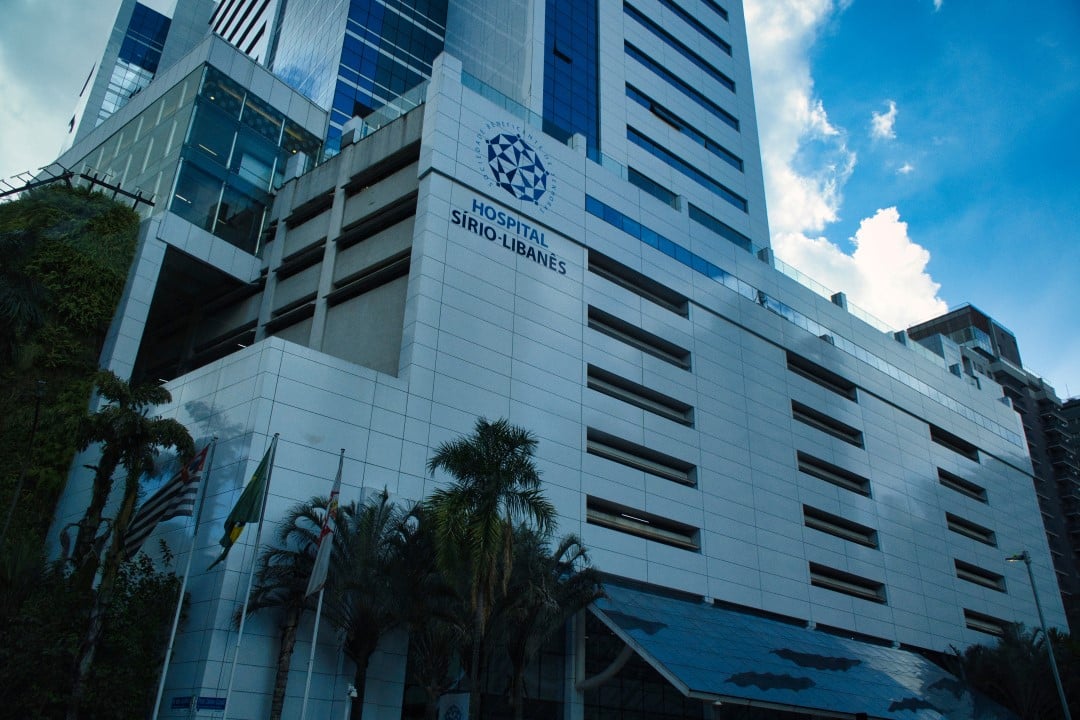
Hospital Sírio-Lebanês, another reference in São Paulo medicine, secured 79th position in the world ranking. The institution registered an increase of three places, driven by its focus on continuing medical training and scientific updating of its clinical staff. The hospital has invested heavily in expanding its infrastructure, with concrete plans to open new units that will expand its service capacity in surgical and diagnostic areas.
The Sírio-Lebanese strategy is based on total integration between clinical practice and teaching. Seu Medicina program is designed to foster critical thinking from graduation, creating a culture of excellence that permeates all levels of the organization. Patient satisfaction, measured by international indicators, remains one of the central pillars of management, guaranteeing the institution’s presence on the global list for seven consecutive years.
The Hospital Alemão Oswaldo Cruz appears in 105th position, maintaining its tradition of combining hospitality with technical innovations. The unit stands out for its research programs in partnership with universities, which result in significant advances in minimally invasive treatments and the management of complex chronic diseases. Sustainability is also a focus, with operations aimed at reducing environmental impact.
Representing the country’s Sul region, Hospital Moinhos of Vento, of Porto Alegre, occupies 111th place. The institution in Rio Grande do Sul is recognized for its centers of excellence in oncology and cardiology, attracting patients from different regions of the Brasil and abroad. The integrated care model, which prioritizes prevention and rehabilitation, has served as an example for the dissemination of best hospital practices in Rio Grande of Sul.
The strategic role of the public hospital in the ranking
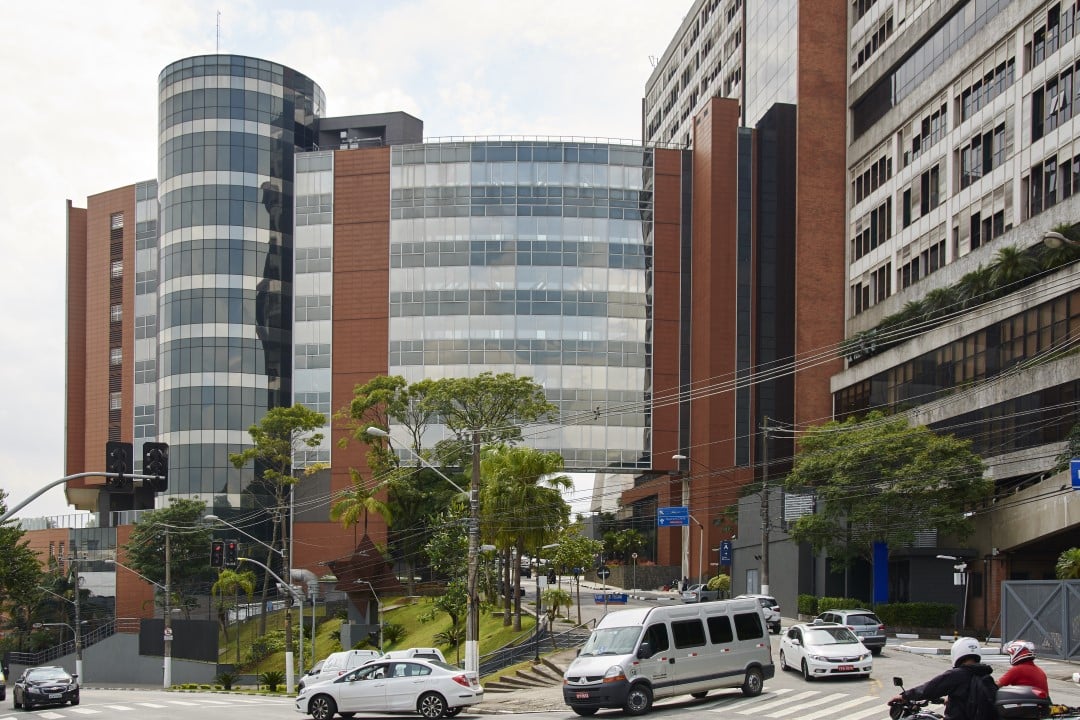
Hospital of Clínicas of Faculdade of Medicina of Universidade of Como An integral part of a university complex, the HC plays a dual role: it offers highly complex medical care to the population and serves as the main training ground for new health professionals in the country.
The presence of HC in the ranking validates the thesis that public hospitals can achieve levels of excellence comparable to large private centers when there is efficient management and academic support. The institution is responsible for thousands of surgeries and services annually, being essential for reducing queues in critical specialties within the SUS. Seus clinical research protocols often result in new treatment guidelines adopted nationwide.
Even facing budgetary challenges typical of the public sector, the hospital complex manages to maintain up-to-date technology parks and high-level multidisciplinary teams. Integration with the university allows access to cutting-edge studies in areas such as transplants and rare diseases, democratizing treatments that would otherwise be restricted to a small portion of the population.
Specialization and technology as differentiators
HCor (Hospital do Coração) secured 146th position, reaffirming its historical vocation for highly complex cardiology. The institution is a pioneer in several cardiac procedures in América Latina and maintains continuing education programs that directly impact patient recovery rates. Active participation in global clinical trials strengthens your reputation and keeps your clinical staff at the forefront of medical knowledge.
Soon after, in 151st position, is Hospital Santa Catarina Paulista. The unit has gained prominence for its multidisciplinary approach to oncological and neurological treatments. With a modernized infrastructure, the hospital offers a flow of care that integrates rapid diagnosis and personalized therapy, attracting collaborations with foreign entities that enrich the local healthcare ecosystem.
Technology is the common thread that unites all of these award-winning institutions. The use of artificial intelligence to aid diagnosis, the implementation of integrated electronic medical records and the expansion of telemedicine to remote regions are common practices among the hospitals listed. Essas innovations not only increase operational efficiency, reducing long-term costs, but also expand access to quality healthcare.
Impact on training and social responsibility
Internationally recognized excellence transforms these hospitals into true talent pools. The medical residency programs offered by these institutions are the most popular in the country, attracting young professionals looking for practical experience in high-performance environments. Essa dynamics creates a virtuous cycle, where the quality of training raises the general standard of Brazilian medicine as these professionals enter the job market.
In addition to the educational aspect, social responsibility is a component indirectly evaluated by the reputation of institutions. Iniciativas that aim to reduce waste, use energy efficiently and engage in public health campaigns strengthen the image of hospitals in the community. Working on projects that address social determinants of health, such as nutrition and basic sanitation in vulnerable communities, demonstrates a holistic view of care.
Public-private partnerships, exemplified by the work of Einstein and Sírio-Lebanês in municipal hospitals, prove to be an effective model for health management. The transfer of management expertise and optimization of resources result in better health indicators for the population served by the SUS, validating collaboration strategies as a viable path for the future of the health system in Brasil.
Future perspectives and quality maintenance
Recognition in the 2026 ranking poses the challenge of maintaining quality in the face of rapid transformations in the sector. The need to constantly update equipment and incorporate new drugs and therapies requires continuous investment. The attraction of resources from global funds and the internationalization of services appear as trends to sustain the growth of these institutions.
The connection with academic research will continue to be a driver of innovation. The ability to translate laboratory discoveries into practical treatments at the bedside is what sets excellent hospitals apart from the rest. Brasil, through these seven institutions, demonstrates that it has the intellectual and physical infrastructure necessary to lead advances in emerging areas such as genomics and cell therapy.
In the coming years, the expectation is that more Brazilian hospitals will seek international accreditation and improve their processes to join global lists. The multiplier effect of the excellence of these seven institutions tends to raise the quality bar for the entire sector, ultimately benefiting the patient seeking safe and effective care.



