
Health alert requires recall of frozen blueberries in the US and Canada after listeria detection

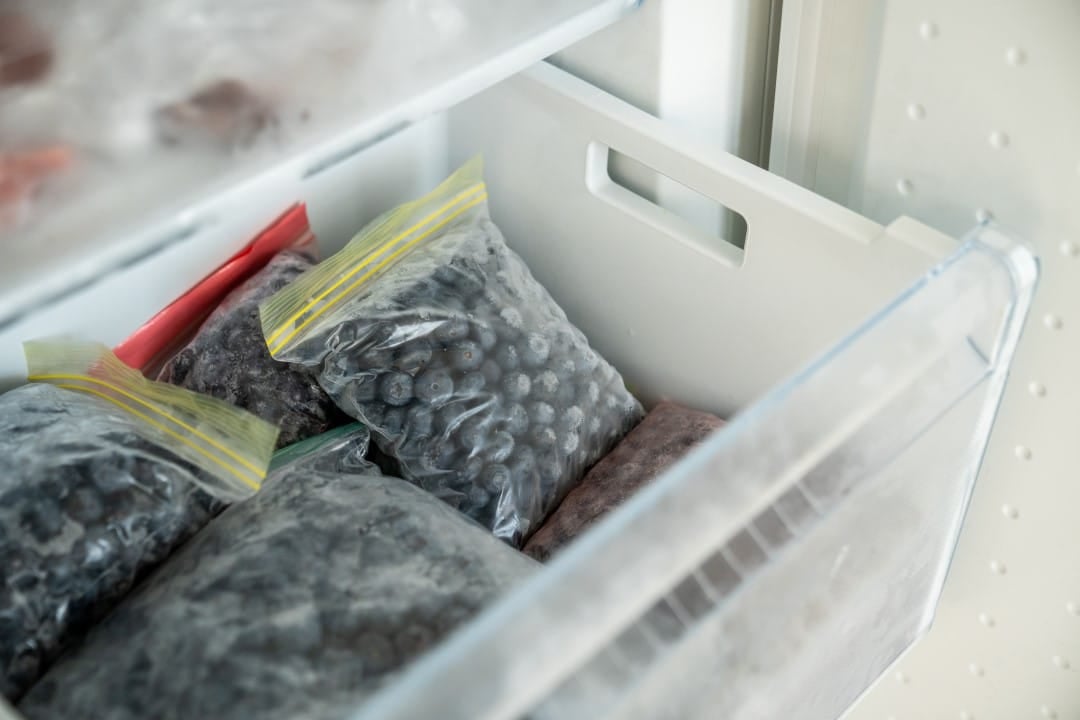
Oregon Potato Company, operating commercially as Scenic Fruit Company, issued an urgent statement announcing the voluntary recall of specific batches of frozen blueberries. The decision was made after laboratory tests identified the possible presence of *Listeria monocytogenes*, a bacteria capable of causing serious and potentially fatal infections. The security measure directly affects distribution in several North American states, including Michigan, Oregon, Washington and Wisconsin, also extending to Canadian territory.
The health alert was triggered immediately after confirming the test results, aiming to protect the physical integrity of consumers and prevent the spread of foodborne diseases. The responsible company acted promptly to notify distribution channels and begin the reverse logistics process for the affected products.

Health authorities classified the situation as high risk, requiring increased attention from both end consumers and commercial partners who use the fruit as raw material. Listeria contamination in frozen products represents a particular challenge for the food industry, given that the bacteria can survive at low temperatures.
The preventive action seeks to mitigate any harm to public health, with the company actively collaborating with regulatory agencies to ensure that all suspicious packages are removed from circulation as quickly as possible. Até At the moment, the focus remains on accurate batch identification and transparent communication with the public.
Identification of batches and product specifications
The products targeted by this recall are individually frozen blueberries, which were distributed in specific industrial and commercial packaging. Consumers and merchants should be aware of 30-pound boxes (approximately 13.6 kg) and large 1,400-pound containers, which are often destined for industrial processing or repackaging.
For correct identification, it is essential to check the batch codes printed on the packaging. The compromised lots were identified as:
– 2055 B2
– 3305 A1
In addition to batch codes, expiration dates are a crucial indicator for product sorting. The affected items have an extended shelf life until November 2027. The FDA (Food and Drug Administration) has classified this recall as Classe 1, the most severe category, indicating that consumption of the product carries a reasonable likelihood of causing serious adverse health consequences or death.
Companies that purchased these lots must immediately cease use and segregate the stock for return or appropriate disposal. Fast traceability is essential to contain the risk, and verification must be thorough at all levels of the supply chain that received goods from Scenic Fruit Company during this period.
Health risks and symptoms of listeriosis
*Listeria monocytogenes* is the causative agent of listeriosis, an infection that can manifest itself in different ways depending on the immune system of the affected individual. Contamination can occur at several stages, from harvesting in the field to processing in the factory, with the bacteria being particularly resistant to cold and humid environments, common in fruit processing facilities.
Symptoms of the infection may take days or even weeks to appear after eating contaminated food. The initial clinical picture usually includes high fever, severe headaches, muscle stiffness, nausea, abdominal pain and diarrhea. In more advanced cases, the infection can progress to mental confusion, loss of balance and seizures.
Specific population groups are exposed to significantly greater risks and should exercise extreme caution:
– Idosos with weakened immune system.
– Pessoas with chronic or immunosuppressed diseases.
– Gestantes, due to the risk of miscarriage or fetal infection.
– Recém-born.
In serious situations, listeriosis can lead to meningitis or septicemia, requiring immediate hospital admission and treatment with potent antibiotics. The company has initiated contact via email with all known distributors to ensure that information about risks reaches all points of sale and processing.
Impact on industry and supply chain
The blueberry recall primarily affects the industrial supply chain, as much of the product was distributed to food manufacturers that use the fruit as an ingredient in mixes, smoothies, yogurts or baked goods. Embora products have not been sent directly to supermarket shelves for single sale to the final consumer, their presence in processed foods expands the scope of necessary surveillance.
In Canadá, Agência Canadense of Inspeção of Alimentos (CFIA) is involved in the process, coordinating the international actions necessary to ensure the safety of cross-border consumers. The complexity of the global food chain requires robust traceability systems to identify where each batch was used.
Distributors in states such as Michigan and Oregon have reported minimal disruptions to operations to date, but are maintaining constant monitoring. The frozen fruit industry is seeking alternative suppliers to meet demand and avoid market shortages, while strengthening its quality control protocols to regain the trust of commercial partners.
Prevention measures and safety recommendations
Listeria prevention involves strict hygiene and food handling practices. Especialistas in food safety reinforce that freezing does not kill *Listeria* bacteria; it just inhibits their growth. Portanto, proper cooking is the only effective way to eliminate the pathogen present in contaminated food.
Consumers and companies must adopt the following practices to minimize risks:
– Cozinhar frozen fruits before using them in recipes, especially if they are served to risk groups.
– Higienizar kitchen surfaces and utensils that may have come into contact with suspicious products.
– Verificar regularly adjust the temperature of refrigerators and freezers to ensure correct storage.
Authorities recommend that any product suspected of being from the affected batches be discarded in closed containers or returned to the place of purchase for a refund. The FDA and other agencies continue to monitor the situation and issue updated guidance on safety protocols for the industry.
Surveillance and regulatory response protocols
Regulatory agencies such as the FDA and USDA (Department of Agricultura of Estados Unidos) have intensified inspections of food processing facilities to ensure compliance with current health standards. Proactive detection through routine testing, as occurred in this case, demonstrates the importance of continuous monitoring programs.
Classifying the recall as Classe 1 mobilizes federal resources to efficiently track all products. Isso includes checking distribution records and supervising the disposal of contaminated lots. Relatórios recent reports indicate that the frequency of audits has increased in response to similar incidents in the frozen food industry.
Corporate transparency when initiating a voluntary recall is seen as a positive step toward maintaining public health. CDC’s Dados (Centers for Controle and Prevenção of Doenças) show that rapid recall actions significantly reduce the number of annual cases of foodborne illness, validating the effectiveness of current warning systems.
History and technological advances in the sector
The frozen fruit sector has faced similar challenges in the past, with recalls involving strawberries and other berries due to pathogen contamination. Esses Historical events drove significant improvements in freezing, packaging and sanitation protocols on production lines.
Currently, manufacturers are investing heavily in advanced sterilization technologies and digital tracking systems. Inovações how antimicrobial packaging and rapid detection sensors are being explored to extend the shelf life of products without compromising safety. The industry seeks to harmonize global practices to ensure that quality standards are maintained at all stages of production.
Collaboration between independent laboratories and production companies guarantees impartial testing on random samples, increasing the overall quality of products available on the market. With the adoption of these new technologies, sector reports predict a tendency to reduce cases of contamination, protecting consumer health and the reputation of the brands involved.



