
Joinville gains specialized heart health sector to speed up diagnoses in Dona Helena

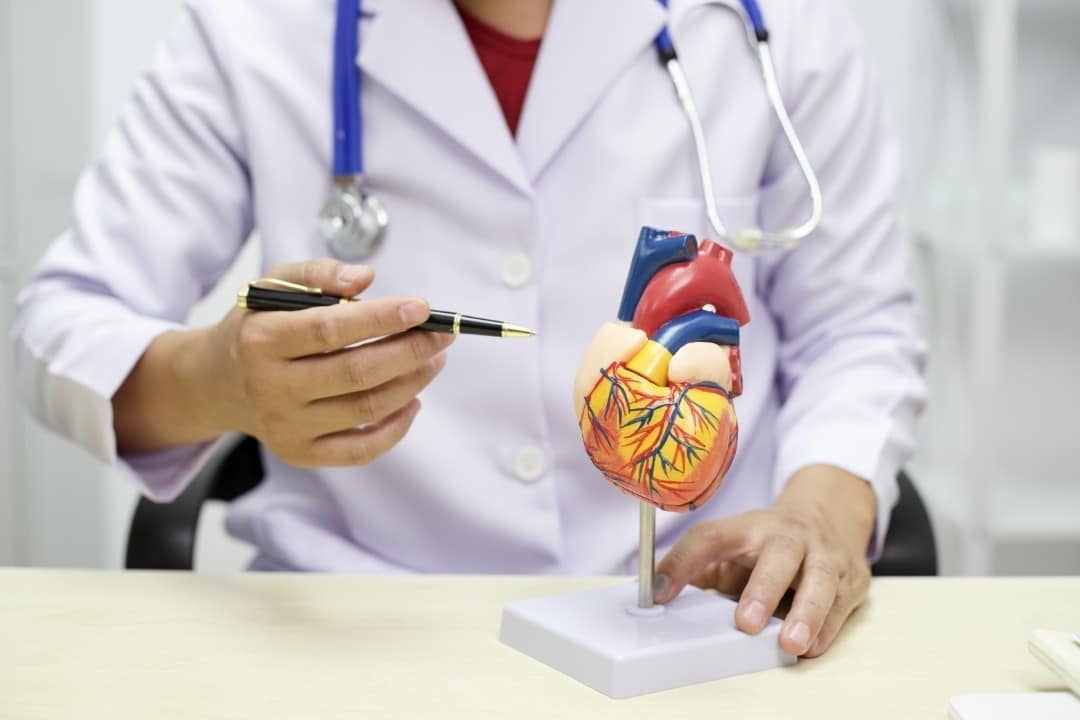
Hospital Dona Helena, located in Joinville, in Norte of Santa Catarina, began operations of its new structure focused exclusively on the diagnosis and treatment of cardiovascular diseases. The inauguration of the space, held on February 5th, marks an important stage in expanding the institution’s service capacity, responding to the growing demand for cardiac care in the region. The new sector was designed to concentrate, in a single environment, everything from specialized consultations to the performance of complex exams.
The initiative comes at a critical time, where epidemiological data points to heart disease as the main cause of deaths in Brasil. The institution’s strategy aims to combat this statistic through agility, significantly reducing the time between the detection of an anomaly and the initiation of appropriate therapy. The centralization of services eliminates unnecessary travel within the hospital complex, providing greater comfort and efficiency for users.

With the new wing fully operational, the focus turns to technological integration and humanized care. The structure allows the patient to carry out the entire cardiological assessment circuit continuously, optimizing the flow of information between healthcare professionals. The measure is seen as essential to deal with the increase in cases of hypertension and heart attacks, which have reached increasingly younger age groups.
Centralization of exams optimizes the patient journey
The configuration of the new diagnostic center was planned to solve a common problem in large hospitals: fragmentation of care. By bringing together medical offices and exam rooms in the same location, the institution seeks to offer a more fluid experience. The service’s medical coordinator, cardiologist Ana Carolina Berbel, reinforces that the model places the patient at the center of decisions, facilitating communication and understanding of the clinical picture.
In addition to improved logistics, the space has standardized protocols that aim for precise results. The multidisciplinary team, made up of doctors, nurses and technicians, underwent specific training to operate in this integrated model. The objective is to ensure that, in the event of any change in exams, referral for treatment is immediate.
Technology plays a fundamental role in this new phase. Sistemas continuous monitoring and data integration software allows patient history to be quickly accessed by medical staff. Isso reduces the chances of diagnostic errors and allows a global view of the individual’s health, speeding up decision-making in complex cases.
Advanced technology for early detection
Investment in state-of-the-art equipment is one of the pillars of the new sector. Aparelhos modern echocardiograms were installed to allow visualization of the heart in real time, making it easier to identify structural changes, such as valve problems or dilations, before they become critical. Essa diagnostic imaging capacity is essential for creating personalized therapeutic plans.
Another highlight is the availability of Holter monitors for long-term cardiac activity recordings. Esses devices are crucial for picking up intermittent irregularities, such as arrhythmias, which often don’t show up on quick office exams. The technological infrastructure aims to serve both patients with acute symptoms and those seeking routine evaluations.
Prevention and multidisciplinary monitoring
Preventive check-up programs were reinforced with the new structure, focusing on identifying silent risk factors. The strategy is in line with the guidelines of the main medical societies, which recommend early detection as the best way to avoid serious complications, such as stroke. The service covers:
- Periodic monitoring of blood pressure and heart rate.
- Integrated laboratory tests for lipid profile analysis.
- Stress tests to assess cardiorespiratory capacity.
- Consultations with nutritionists for dietary re-education and weight control.
The hospital’s general director, José Tadeu Chechi, emphasizes that the creation of welcoming environments is necessary to combat the prevalence of these diseases. Support is not limited to exams; includes physical and nutritional guidance, integrating different specialties to promote the patient’s overall health. The holistic approach aims to increase adherence to proposed treatments and improve quality of life in the long term.
Impact on regional public health
The inauguration reflects the institution’s commitment to the health of the population of Joinville and Norte Santa Catarina. The city, with its strong industrial profile and fast-paced routine, faces similar challenges to the rest of the country in terms of the increase in cardiovascular events in adults between 30 and 50 years old. The ease of access, with appointments via digital channels and flexible schedules, seeks to remove barriers for workers and families to seek preventive care.
Integration with the local health network is also a key point, allowing the hospital to act as a reference for cases that require greater technological complexity. By offering quick and accurate diagnoses, the institution hopes to contribute to reducing mortality rates and relieving emergency services, treating conditions before they evolve into serious conditions.



