
Launch of Pixel 10a frustrates expectations in the face of rivals with superior hardware and competitive price

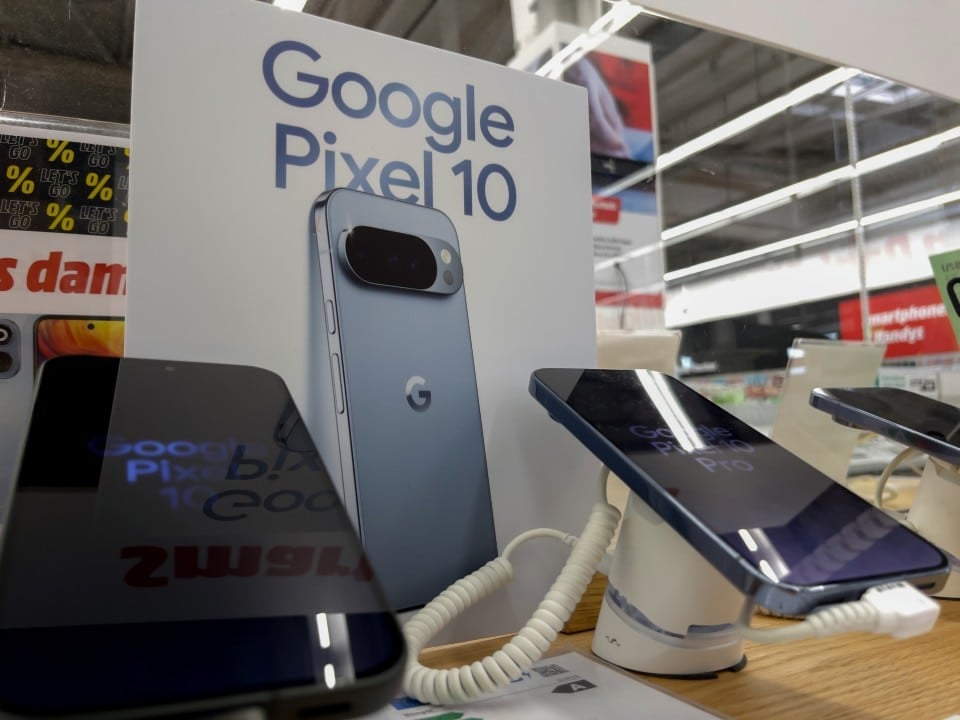
The mid-range smartphone segment is experiencing a moment of accelerated transformation, driven by manufacturers who have decided to raise the standard of technical specifications and performance to win over consumers. However, market strategies diverge significantly between major brands, creating a scenario where value for money has become the main battleground for mobile technology this year.
Conservative Google strategy
Google’s latest bet appears to go against the trend of aggressive innovation seen in the sector, generating debates among technology analysts about the device’s viability given the available options. The new A-line model maintains the Tensor G4 processor, a component that already shows signs of lag compared to cutting-edge chips, in addition to reusing camera sensors and batteries from previous generations.

With a suggested retail price of $499, the device faces the challenge of justifying its value in a market where renewed hardware has become a basic requirement for product differentiation. The decision to maintain old components to maintain the price could cost the manufacturer dearly, as rival brands took advantage of this gap to introduce high-level specifications in similar price ranges.
Competition performance and autonomy
At the top of the list of alternatives that threaten the Google’s dominance is the OnePlus 15R, a device that redefines performance expectations for the category. The Este model prioritizes brute strength and longevity, equipping the Snapdragon 8 Gen 5 processor, which offers a significant generational leap in processing capacity compared to the Google chip. Além In addition, the device stands out for its energy autonomy and fluid visualization.
Unlike the conservative approach of the Pixel, the OnePlus competitor integrates a 6.78-inch AMOLED screen with a refresh rate of 165 Hz and an impressive 7,400 mAh battery. Support for 80W fast charging rounds out the package, ensuring downtime is kept to a minimum, which appeals to users who rely on heavy multimedia usage and multitasking.
Ultra-slim design and military strength
The Motorola also entered the fray with a clear focus on refined aesthetics and extreme durability through its Signature model. The device’s design draws attention due to its thickness of just 6.99 mm, an engineering feat that does not compromise structural integrity. The device is IP69 certified for protection against water and dust, as well as passing military standard tests that attest to its resistance to adverse conditions.
Internally, the Motorola model makes no concessions in power, also operating with the Snapdragon 8
Photography features and software support
For mobile photography enthusiasts looking for alternatives outside the traditional ecosystem, the Phone 3a Pro emerges as a robust option. The big technical difference of this model is the inclusion of a 50 MP periscopic lens with 3x optical zoom, a feature rarely seen in this price range. The strategy aims to democratize access to high-fidelity zoom tools, previously restricted to the most expensive devices on the market.
On the other hand, Samsung keeps its user base loyal through long-term support with the Galaxy S25 FE. Equipado with the Exynos 2400 processor and a 4,900 mAh battery, the focus of the device is not just immediate performance, but ensuring longevity. The promise of seven years of operating system and security updates remains the South Korean brand’s greatest asset, ensuring that the device remains relevant and secure for much longer than its direct rivals.



