
Launch of the Pixel 10a frustrates the market as rivals bet on giant batteries and innovation

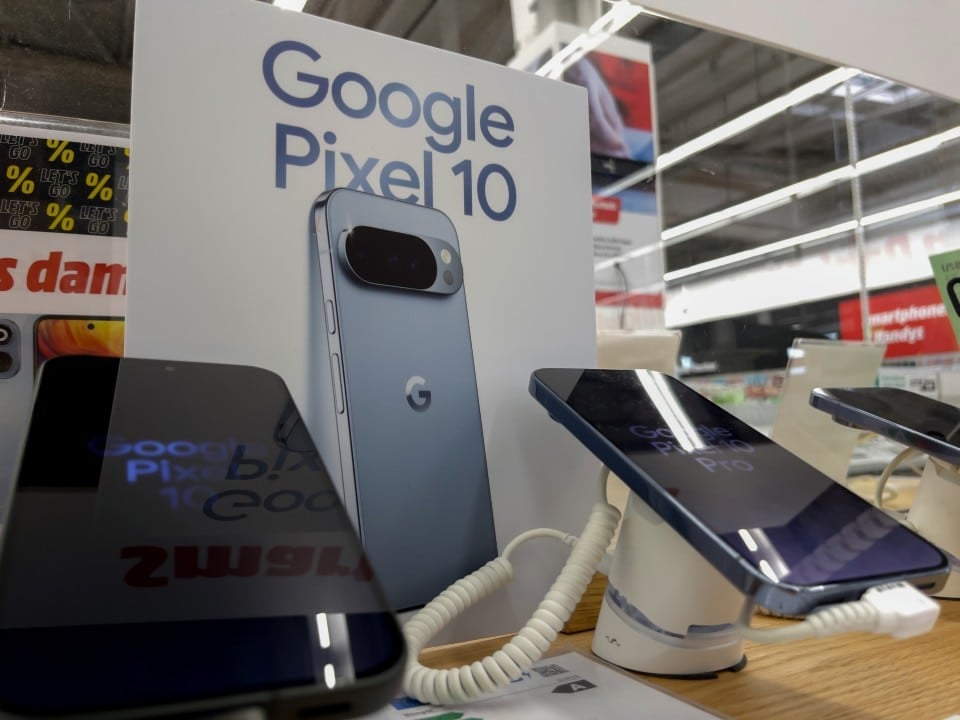
The premium mid-range smartphone segment is undergoing a significant transformation with the arrival of new devices that challenge hardware and price conventions. The recent introduction of the more affordable Google model to the global market has generated mixed reactions among experts and consumers, mainly due to the lack of substantial innovations compared to its predecessor. Enquanto the brand maintained a conservative strategy, direct competitors presented devices with technical specifications that were previously exclusive to elite models.
Competition has intensified dramatically with Asian manufacturers raising the bar for performance and energy range. Perception of value has become a central point of discussion as the $499 sticker price, while competitive, now faces rivals that offer higher-end processors and more versatile camera systems. The current scenario suggests that brand loyalty may not be enough to guarantee sales leadership in this cycle.

Technology analysts point out that the decision to reuse components from past generations may have been a strategic error given the aggressiveness of the market. The lack of significant improvements in critical areas such as charging speed and thermal efficiency puts the new device at an immediate technical disadvantage. The modern consumer, increasingly informed, tends to carefully compare technical data sheets before deciding on an investment.
Technical stagnation and price positioning
The Pixel 10a hits shelves maintaining the camera set and battery of the Pixel 9a model, a choice that limited initial enthusiasm. The use of the Tensor G4 processor, rather than a newer chip, reinforces the feeling that the device is a modest incremental upgrade. Essa configuration raises doubts about the device’s ability to handle future demands of artificial intelligence and heavy applications with the same fluidity as its adversaries.
Maintaining design and charging specifications also contributes to difficult market positioning. With the price maintained at almost five hundred dollars, the cost-benefit is questioned when placed side by side with options that offer higher frequency screens and more robust construction. The conservative strategy could cost an important market share for brands that are willing to reduce profit margins to deliver superior hardware.
Significant advances in autonomy and processing
In direct contrast to the conservative approach, the OnePlus 15R emerges as an example of innovation focused on raw performance and energy durability. The device impresses by integrating a massive 7,400 mAh battery, setting a new record for the category and promising days of use away from the socket. Support for 80 W fast charging complements this autonomy, meeting the demand of users who cannot waste time with slow recharges.
In addition to energy, performance is guaranteed by the Snapdragon 8 Gen 5 chipset, which puts the device at a speed level well above the segment average. The visual experience was also prioritized with a 6.78-inch AMOLED screen, 1.5K resolution and 165Hz refresh rate, ideal for games and media consumption. The OxygenOS 16 software, with the promise of four major system updates and five years of security, completes the longevity package.
Focus on photography and distinctive design
For consumers who prioritize image capture and aesthetics, the Nothing Phone 3a Pro presents itself as a robust alternative. The optical set was designed to offer versatility, including a 50 MP main sensor and a 50 MP periscopic lens, capable of 3x optical zoom and up to 6x sensor zoom. Essa configuration allows for long distance photography with quality that Google’s competitor cannot achieve with its current hardware.
Performance is balanced by the Snapdragon 7s Gen 3 processor, sufficient for everyday tasks and advanced image processing. The 6.7-inch flexible AMOLED screen with 120 Hz and Panda Glass protection ensures durability and fluidity. The brand’s unique design, combined with competent camera hardware, attracts an audience looking for visual and functional differentiation.
Software longevity and physical endurance
Samsung maintains its strong presence with the Galaxy S25 FE, focusing on ecosystem consistency and long-term support. Equipado with the Exynos 2400 processor, 8 GB of RAM and up to 256 GB of storage, the device runs the Android 16 under the One UI 8 interface. The big difference remains the update policy, guaranteeing seven years of operating system and security support, which offers an extended useful life and greater resale value.
On the other hand, Motorola bets on sophistication and resistance with its Signature line. The device stands out for its thickness of just 6.99 mm and weight of 186 grams, without sacrificing durability. With IP68 and IP69 certifications, in addition to passing MIL-STD military tests, the device is resistant to water, dust and impacts. The internal hardware is not far behind, boasting Snapdragon 8 Gen 5 and options of up to 1 TB of storage, combining elegance with firepower.



