
Launch of the Pixel 10a frustrates the market by maintaining an old chip and strengthens rivals with superior hardware

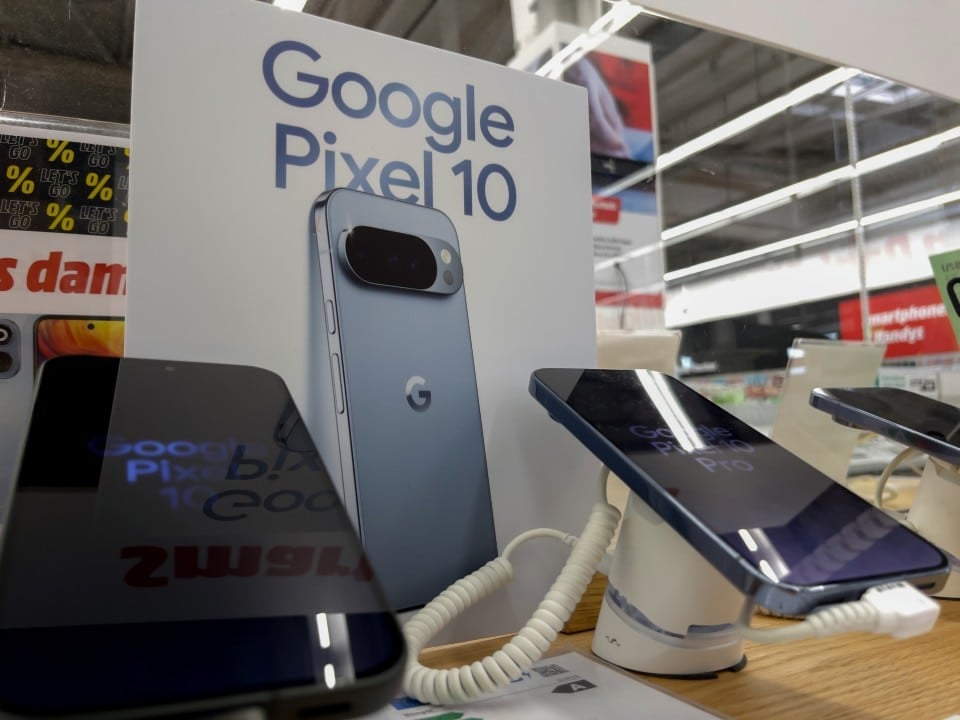
The arrival of the search giant’s new mid-range smartphone on global shelves raised immediate questions about its commercial viability in a highly competitive scenario. By opting to continue with the Tensor G4 processor and the same set of cameras and battery as the previous model, the $499 device faces resistance from consumers who were waiting for significant innovations.
Technology analysts point out that the company’s conservative strategy could be costly in a year where energy efficiency and processing power have become decisive differentiators. The decision to recycle components from past generations directly contrasts with the aggressive movement of rival manufacturers, who took advantage of the launch window to present robust solutions in the same price range.

The market is closely watching the movement of competing brands, which quickly filled the innovation vacuum left by the new device. Enquanto the focus on integration between software and artificial intelligence continues to be the main selling point of the American model, stagnant hardware has become a point of vulnerability exploited by other manufacturers in the Android ecosystem.
Asian manufacturers, in particular, have demonstrated agility in incorporating cutting-edge technologies into their premium mid-range devices. The disparity in technical specifications between the launch of the Google and its direct competitors suggests a change in the dynamics of consumer preference, who now find options with greater hardware longevity for the same financial investment.
Performance and autonomy define new industry leaders
At the top of the list of alternatives that stand out is the OnePlus 15R, a device that redefines performance expectations for the segment. The model arrives equipped with the advanced Snapdragon 8 Gen 5 chipset, offering substantially greater processing capacity. Além In addition, the 6.78-inch AMOLED screen with a refresh rate of 165 Hz positions the device as a preferred choice for the gaming public and users who prioritize fluid navigation.
Energy autonomy presents itself as another critical differentiator in this market comparison. The OnePlus device features an impressive 7,400 mAh battery, supported by 80 W fast charging.
Ultra-thin design and military strength in focus
The Motorola also capitalizes on the market gap with the launch of the Signature model, which combines refined aesthetics and extreme durability. The device stands out for its precision engineering, with a thickness of just 6.99 mm, without sacrificing resistance, guaranteed by IP69 certifications against water and dust and the MIL-STD military standard. Este balance between design and robustness attracts consumers who seek elegance without fragility.
Internally, the model leaves nothing to be desired in terms of raw specifications. Equipado also with the Snapdragon 8 Gen 5 processor, the smartphone offers up to 1 TB of internal storage, eliminating worries about data space. The camera system is another strong point, with 50 MP sensors present in the main, ultrawide and even periscopic lenses, ensuring consistency in image quality in different capture scenarios.
Photography expertise and long-term support
For mobile photography enthusiasts looking for versatility, the Nothing Phone 3a Pro appears as an alternative focused on optical quality. The device differentiates itself by the inclusion of a 50 MP periscopic lens with 3x optical zoom, a feature rarely found in this price range. The Snapdragon 7s
The Samsung maintains its loyal user base with the Galaxy S25 FE, banking on the longevity of software support as its main asset. The model guarantees seven years of operating system and security updates, running on the Exynos 2400 chip. With a 4,900 mAh battery and 45 W charging, the device delivers a balanced experience, focusing on consumers who value the security and consistency of the ecosystem over almost a decade of use.



