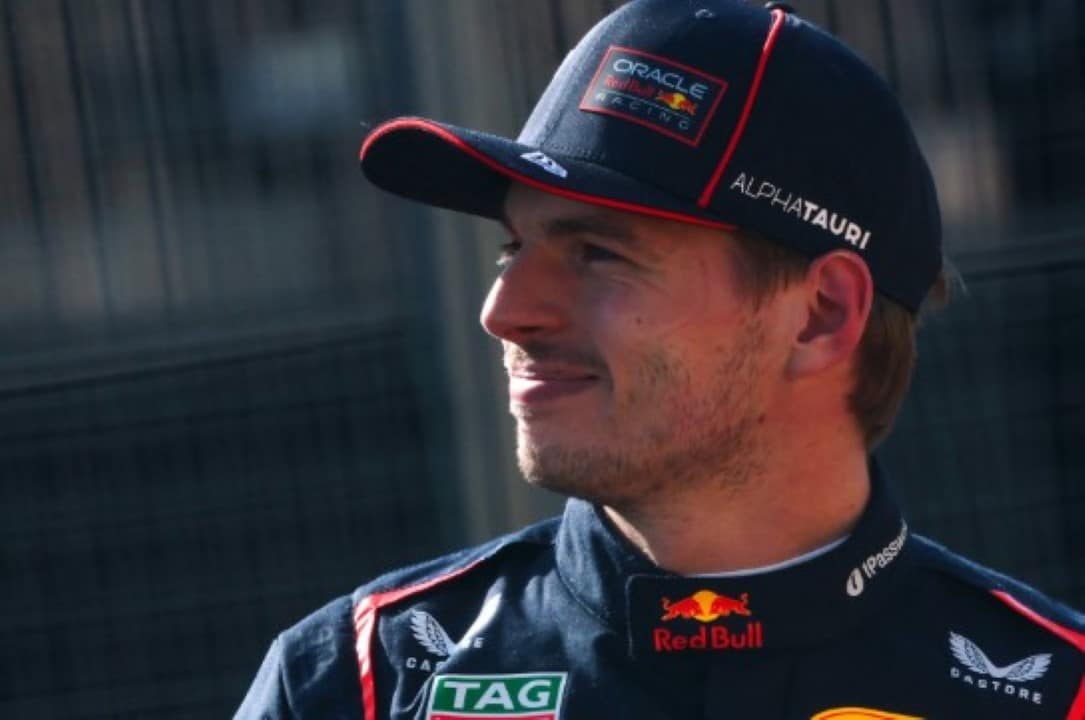
The Red Bull surprised the Fórmula 1 paddock with the initial performance of its new power unit developed in partnership with the Ford. The Max Verstappen driver, four-time world champion, highlighted the engine’s reliability during the pre-season, held in Barcelona and Bahrein.
The tests revealed few problems, contrary to the expectations of rivals who anticipated serious failures. Verstappen commented that the team managed to organize everything efficiently, with a new engine and integration of new members.
The transition from the partnership with Honda to its own production represents a milestone for Red Bull, which is now focusing on developments to compete at the top from 2026. The new regulations bring challenges, such as balance between combustion and electrical parts, requiring constant adjustments.
Performance in initial tests
Tests on Barcelona showed that the Red Bull completed a significant number of laps without major interruptions. Isso demonstrated the stability of the engine, which was tested under varying temperature and environmental conditions. Verstappen mentioned that the correlation between simulations and track still needs refinement.
Rivals like Mercedes and Ferrari expressed admiration for how quickly Red Bull resolved early issues. The Austrian team prioritized reliability over pure speed in the early days, allowing for valuable data collection for future upgrades.
Yesss@redbullracing!!! Let’s have some fun in the race and finish in style 🙌pic.twitter.com/Lym1M458MI
—Max Verstappen (@Max33Verstappen)December 6, 2025
Paddock reactions
Drivers from other teams noted the absence of mechanical problems on the Red Bull during the pre-season. Verstappen joked that many expected serious incidents with the new engine, but the reality was different.
The partnership with Ford brought technical resources that accelerated development. Engenheiros highlighted the smooth integration, which contributed to a positive feeling in the team.
Expert commentary indicates that Red Bull could gain ground throughout the year with planned upgrades. Focusing on optimizing engine temperature is key to improving performance on varied circuits.
Technical evolution of the engine
The Red Bull Ford power unit meets the new regulations, with an equal division between combustion and electric. Isso requires precise battery management during laps, an aspect that Verstappen criticized for adding complexity.
The team performed flawless initial shakedowns, allowing rapid progress on adjustments. Dados of telemetry showed margins for improvement in energy efficiency, essential for long competitions.
Experts point out that Red Bull invested in advanced facilities for engine production. Isso includes laboratories dedicated to durability testing, ensuring the component can withstand the demands of the season.
Challenges such as environmental conditions influence performance, and the team works to minimize impacts. Parcerias external techniques complement internal development, strengthening competitiveness.
Outlook for the season
Verstappen expressed satisfaction with the progress, but remained realistic about not fighting for wins immediately. The goal is to evolve gradually, using test data to refine the complete package.
Red Bull plans to introduce engine-focused upgrades throughout the year. Isso includes optimizations in the electrical part, aiming for better balance with the chassis. Engenheiros emphasize the importance of accurate correlation between simulations and real track.
The Dutch driver highlighted the team’s organization as a key factor in the initial success. Novos members integrated quickly, contributing to the stability observed in the tests.
Red Bull partnership history
Previous collaboration with Honda yielded four drivers’ titles and two constructors’ titles. Essa experience served as the basis for the project itself, transferring technical knowledge to the new Ford engine.
The transition required significant investments in infrastructure. Red Bull has built dedicated factories in Milton Keynes, focusing on innovation for 2026 regulations.
Criticisms of the new regulation
The new set of rules for 2026 introduces lighter and more compact cars, changing the driving dynamics. Verstappen compared energy management to something excessive, similar to electrical categories, but with greater power.
Other pilots, such as Lewis Hamilton and Fernando Alonso, echoed concerns about the complexity. Hamilton mentioned the need for in-depth technical knowledge, while Alonso criticized the lack of risk in piloting.
The equal division between combustion and electric aims for sustainability, but increases management during races. Equipes like Red Bull adapt strategies to maximize potential, adjusting software and hardware.
F1 seeks a balance between innovation and accessibility with these changes. Initial tests have shown that teams with their own engines, like Red Bull, face steep learning curves, but with the potential for quick gains.
Preparations for Melbourne
The season opener at Melbourne, March 5-8, will be the first real test for the Red Bull Ford engine. The team uses pre-season data to simulate Australian circuit conditions, adjusting performance parameters.
Verstappen emphasized the importance of reliability in long races. Red Bull plans to monitor engine temperatures closely, given the influence of local weather on performance.
Development strategies
The Red Bull takes an iterative approach to the engine, with upgrades scheduled for early runs. Isso includes refinements in fuel injection and energy recovery, aiming for greater efficiency.
Engineers collaborate with Ford to integrate advanced automotive technologies. The focus on durability reduces the risk of penalties for component changes during the season.
The team analyzes data from rivals to benchmark, identifying areas for improvement. Verstappen actively participates in technical discussions, providing track feedback to developers.
Impact on competitiveness
The initial surprise with the engine positions the Red Bull as a contender, despite modest expectations. Analistas expect the team to gain strength as it resolves correlation issues.
The Ford partnership brings expertise in electronics, complementing the design of the Red Bull. Isso can lead to advantages in high-speed circuits where power management is crucial.
Realistic expectations
Verstappen remains grounded about immediate potential. The team aims for consistent positions early on, building towards greater challenges throughout the year.
Continuous development is a priority, with wind tunnel tests and simulators guiding developments. Red Bull invests in young talent to sustain technical progress.
The integration of new regulations requires rapid adaptation. The Austrian team demonstrates resilience, turning challenges into opportunities for innovation.