
New rumors indicate that standard iPhone 17 will receive 120Hz screen and professional camera sensors

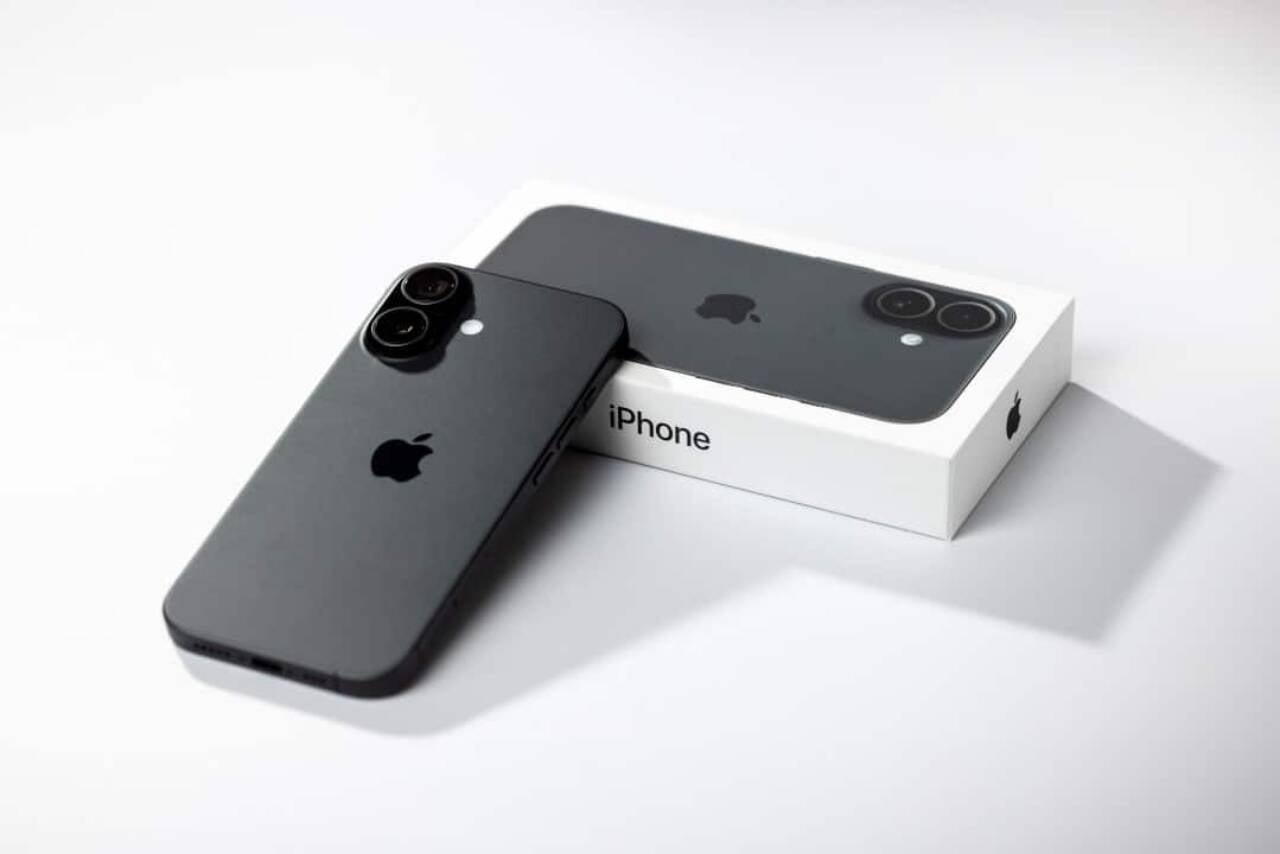
Recent technology supply chain reports point to a significant strategic shift in Apple’s upcoming smartphone lineup. The company must implement, in the standard iPhone 17 model, hardware features that were previously restricted to more expensive versions, such as variable refresh rate technology and high-resolution photo sensors. Essa decisão visa reduzir a disparidade técnica entre os dispositivos e fortalecer a competitividade da marca no segmento premium de entrada, atendendo a uma demanda antiga dos consumidores por maior fluidez e qualidade visual nos modelos base.
Advances in display technology
The main news revolves around the likely adoption of LTPO (Low-Temperature Polycrystalline Oxide) panels across the entire family of devices. Até At the moment, the technology giant reserved the fluidity of ProMotion technology only for the Pro line, leaving basic models limited to 60Hz refresh rates. With the update, system navigation, games and animations will become more visually pleasing and responsive for a larger user base, bringing visual performance on par with competitors in the Android ecosystem.

In addition to aesthetics, this technology offers practical benefits for the device’s autonomy. The system adjusts the screen frequency dynamically according to the content displayed, saving energy on static tasks such as reading texts.
Improvements to the photographic set
Computational photography should also receive a leap in quality, with the integration of 48 megapixel sensors in the entry-level model. Essa specification allows the device to capture images with greater detail and offer virtual optical zoom capabilities through sensor cropping, eliminating the need for a dedicated telephoto lens for basic portraits. The measure responds to a growing demand for professional quality on social networks, where the creation of high-resolution video and photo content has become standard, regardless of the price range of the smartphone used by the consumer.

The main advantages expected from the unification of specifications include:
- Greater visual fluidity in competitive games and operating system navigation.
- Capture images with superior detail and greater flexibility in post-editing.
- Efficient battery management through dynamic display technology.
Storage and market positioning
Another behind-the-scenes discussion point involves the internal storage capacity of the new devices. With media files and applications taking up more and more space, it is speculated that the 128GB input option will be discontinued in favor of 256GB as standard. Isso would transform the device into a more robust digital hub, capable of storing large volumes of photos and videos in high definition without requiring the user to immediately resort to cloud subscriptions or constant memory cleaning.
This “leveling up” strategy seeks to convince users of old models to exchange the device. By reducing the artificial differences between the standard model and the more expensive versions, the manufacturer adds real value to the base product, creating a new standard of demand for the premium smartphone market.




