
Samsung debuts OLED panel that adjusts pixels to ensure complete privacy in public places

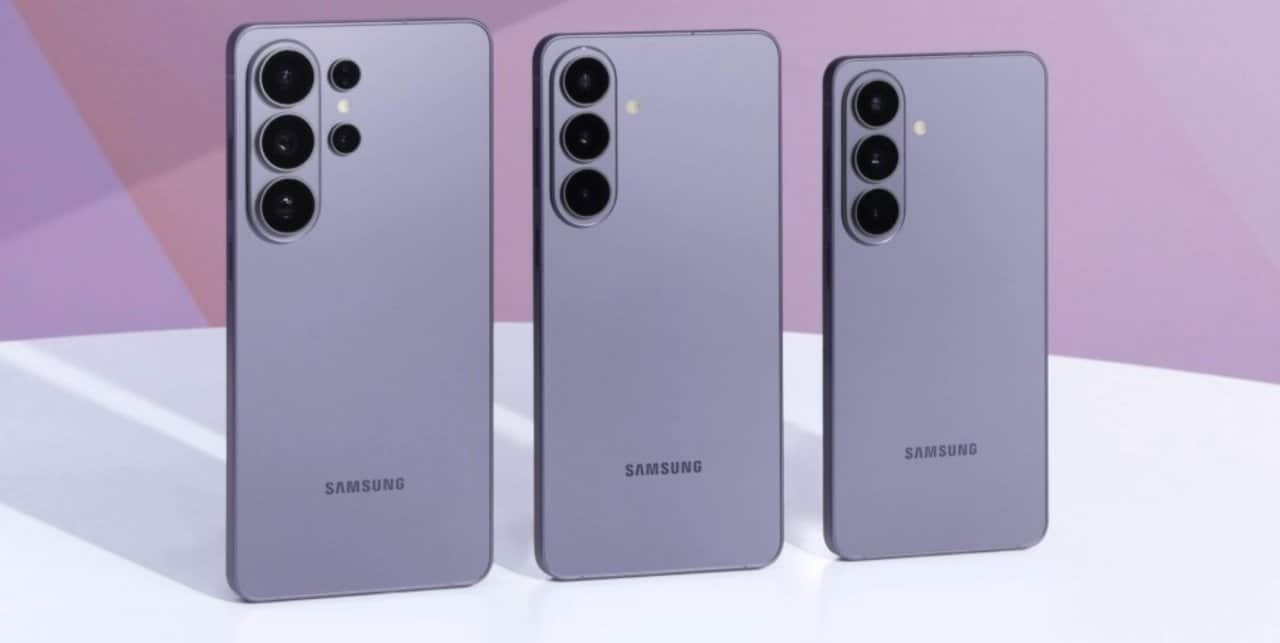
The smartphone industry has just witnessed a significant milestone with the introduction of hardware technology capable of restricting the viewing angle of the screen without the need for external accessories. The new Galaxy S26 The innovation eliminates the use of darkening films, which historically degrade image quality, and integrates protection directly into the device’s panel architecture.
Advanced engineering behind vision blocking
The secret to how this technology works lies in the microscopic manipulation of light through a structure known as Black Matrix. Este component acts as a high-precision digital shutter, operating directly on the individual pixels of the OLED panel. The system was designed to distinguish and control different types of light emitters on the screen.

When safe mode is activated by the user or the system, the technology comes into action restricting the activity of so-called wide pixels. Estes are responsible for the lateral dispersion of light under normal conditions of use. By limiting this emission, the device creates a beam of light directed exclusively forward.
The practical result is a visual barrier that prevents people positioned next to the user from reading the content. Quem observes the smartphone from the side and only sees a darkened or unreadable screen, while the owner, positioned frontally, maintains full access to the information clearly and sharply, without noticeable distortions.
Intelligent automation and user control
The implementation of Samsung goes beyond hardware and integrates a software ecosystem that automates protection in the most critical moments of everyday life. The operating system was programmed to recognize the opening of sensitive applications, such as internet banking platforms, digital wallets or password and PIN entry screens. In Nestes scenarios, the viewing angle is instantly reduced, ensuring that financial and personal data remains confidential without the user having to remember to activate the feature manually.
For situations that require voluntary control, the manufacturer has included quick shortcuts in the settings panel and gesture options, such as double-clicking the side button. The flexibility of the system also allows the choice between intensity levels, ranging from partial privacy to maximum protection. Essa versatility ensures the technology is equally suited to quickly reading email in a cafe or viewing confidential corporate documents in a busy airport.
Advantages over traditional methods
The main complaint from users who use adhesive privacy films has always been the significant loss of brightness and changes in color fidelity. The native Galaxy S26 Ultra solution overcomes this limitation by maintaining the original quality of the Dynamic AMOLED 2X display. The screen remains vibrant and deep black for the main user, regardless of the mode activated.
Another crucial point is the immediate reversibility of the resource. Diferente from a physical film that is permanently installed, the Flex Magic Pixel can be deactivated to share photos or videos with friends, returning the device to its original wide viewing angle in fractions of a second. Isso returns versatility to the device.
Energy efficiency was also a priority in the development of this architecture. Soluções based purely on software tend to consume more processing and battery to obscure parts of the screen. By hardware blocking the pixel structure, the Samsung ensures that the device’s 5,000 mAh autonomy is not compromised by frequent use of the security function.
Preserving touch sensitivity is another direct benefit of eliminating extra layers on the glass. The smartphone’s design remains unchanged, without the bulk or awkward edges common in third-party accessories, maintaining the premium aesthetics and precise tactile response expected from a high-end.
Technical specifications and performance
The Galaxy S26 Ultra underpins this innovation with a robust set of specifications, led by the Qualcomm Snapdragon 8 The device sports a 6.9-inch screen with QHD+ resolution and a variable refresh rate of 120Hz, reaching a peak brightness of 2,600 nits. The camera system continues to be a highlight, with a 200 MP main sensor with optical stabilization, accompanied by a 50 MP ultrawide lens and two 50 MP and 10 MP telephoto lenses, offering 5x and 3x optical zoom, respectively. With options of up to 16 GB of RAM and 1 TB of storage, the device supports the latest connectivity technologies, including Wi-Fi 7 and Bluetooth 6.0, as well as IP68 certification against water and dust.
Impact on mobile security standard
Samsung’s strategy of integrating privacy control into hardware establishes a new paradigm for the premium device segment. Privacy ceases to be an optional accessory purchased separately and becomes an intrinsic feature of the product, just like water resistance or wireless charging. Este movement puts pressure on the competition to develop similar solutions, raising the bar for corporate and domestic consumers.
The technology works perfectly in both portrait and landscape mode, covering all ways of using the device. Seja watching a confidential video or typing a private message, protection is consistent. By transforming visual security into a native component, the South Korean manufacturer reinforces its leadership position in innovation and delivers an essential tool for data protection in the era of total mobility.




