
SpaceX defines construction of a self-sustainable city on the Moon as a priority goal for the decade

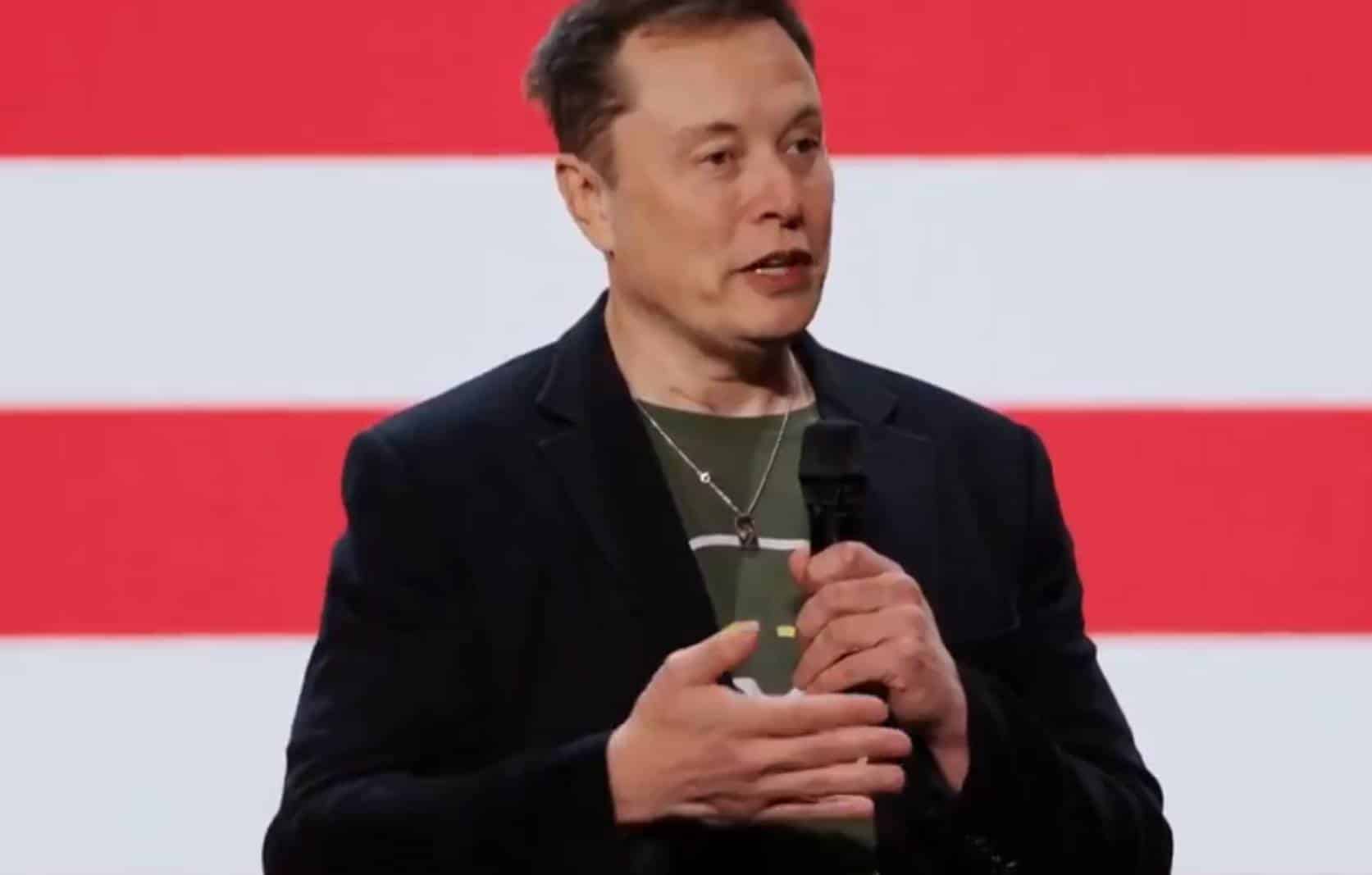
SpaceX reoriented its strategic guidelines and placed the construction of a habitable infrastructure on Lua as its main objective for the coming years. The company’s founder, Elon Musk, declared that the creation of a self-sustainable city on the natural satellite of Terra is feasible within a period of less than a decade. The new approach seeks to accelerate the establishment of a permanent human presence off the planet, taking advantage of lunar proximity for critical testing of life support technologies.
The plan involves using local resources to gradually expand the facilities, reducing dependence on land-based supplies. The change in immediate focus, which previously privileged Marte, occurs due to the facilitated logistics that Lua offers for the development of complex colonization systems. The company maintains the vision of making humanity multiplanetary, but sees the lunar environment as the ideal laboratory to validate the concepts needed for more distant missions.

Logistical and operational advantages of the natural satellite
The decision to prioritize Lua is based on pragmatic factors related to the frequency and safety of space missions. The satellite’s proximity allows for constant launch windows and a travel time of just two days, contrasting with the complex orbital mechanics required to reach Marte. Essa accessibility ensures a continuous flow of equipment and supplies, essential for the initial phase of heavy infrastructure construction.
Another crucial point is the ability to respond quickly to possible technical failures or medical emergencies. The short transit time makes it possible to send support teams or return astronauts safely, mitigating the risks inherent to deep space exploration. Além Furthermore, communication with Terra occurs practically in real time, facilitating remote monitoring and control of complex operations.
- Short trips allow greater crew rotation and constant sending of materials.
- Frequent launch windows eliminate the need to wait months for planetary alignments.
- Reduced operating costs accelerate the development and testing cycle of new technologies.
- Possibility of rapid rescue increases the safety of the first long-duration manned missions.
Technical challenges for human permanence
The implementation of a self-sustainable city requires mastery of technologies for using resources in situ. Extracting oxygen, water and construction materials from lunar regolith is critical to the project’s long-term viability. Engenheiros from SpaceX work on adapting terrestrial industrial processes to the low-gravity, high-radiation environment of the lunar surface.
Validating these systems in a real environment is the next big step for aerospace engineering. Success in local production of fuel and breathable air will determine the pace of expansion of the lunar base. Especialistas from the sector assess that current technology already allows the establishment of advanced posts capable of generating part of their vital resources, complying with the schedule stipulated for the next decade.
The role of the Artemis program and the space race
The international context favors the acceleration of SpaceX’s plans, driven by NASA’s Artemis program. The American space agency selected the company to develop the landing systems that will take astronauts back to the lunar surface. The collaboration between the private sector and the government of the Estados Unidos aims to consolidate leadership in space exploration compared to the advances of other nations, such as the China.
Industry reports indicate that the Starship ship’s schedule has been adjusted to meet these immediate demands. The vehicle’s payload capacity and reusability are central to the strategy to reduce the cost per kilogram sent into space. Diferente of the Apollo missions of the 1970s, the current objective is permanence, requiring a launch cadence that only fully reusable vehicles can offer.
Geopolitical competition acts as a catalyst for investment and innovation in the aerospace sector. The presence of multiple state and private actors in the moon race creates an ecosystem of accelerated development. The infrastructure created to support these missions will serve as the backbone for the future space economy, ranging from mining to orbital tourism.
Impact on the Marte colonization project
Although Lua has taken immediate prominence, the ultimate goal of achieving Marte remains unchanged on SpaceX’s horizon. Technologies perfected in the lunar environment, such as pressurized habitats and water recycling systems, are transferable to the Planeta Vermelho. The Lua will function as a rigorous testing ground, where flaws can be corrected with less risk to human life.
The experience gained in managing an extraterrestrial base will provide valuable data on the psychology of isolation and human physiology in reduced gravity. Esses knowledge is a prerequisite for long interplanetary journeys. Assim, the lunar city is not a detour, but an essential rung on the ladder to the expansion of civilization across the solar system.



