
The next iPhone 17 should adopt a 120 Hz screen and advanced sensors to reduce the difference between models

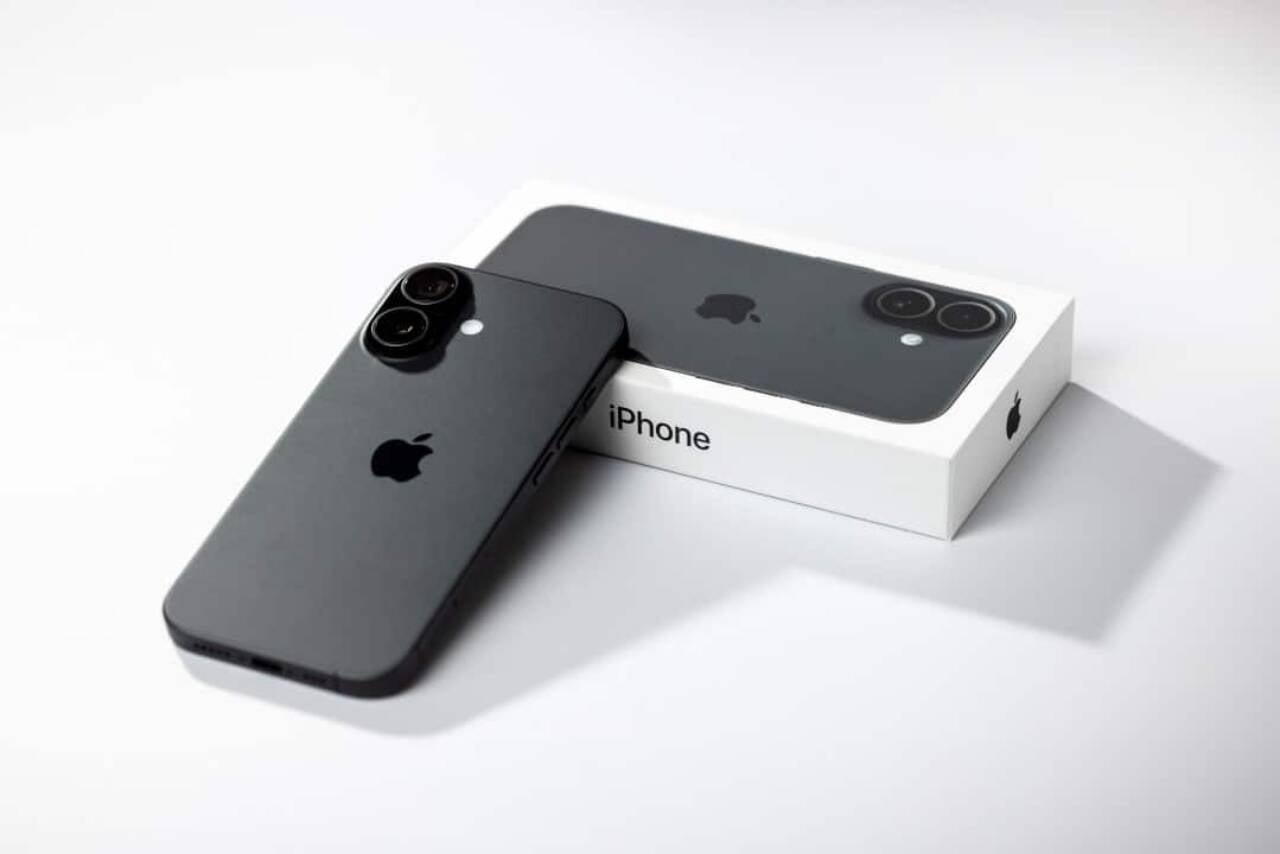
Recent information from the technology supply chain points to a significant strategic shift in the development of Apple’s next generation of cell phones. The Cupertino giant plans to integrate hardware features into the standard model of the iPhone 17 line that, until now, were exclusive to the brand’s more expensive versions. Essa decision aims to reduce the technical gap between input devices and Pro models, strengthening the product’s competitiveness in the premium segment and meeting long-standing consumer demand for greater navigation fluidity and image quality.
The initiative reflects a market movement where differentiation purely based on screen and camera specifications has become an obstacle for users to update devices. By raising the bar on the base model, the company aims to deliver a more consistent user experience across its entire ecosystem, ensuring that even the entry-level device delivers performance that matches today’s media and gaming consumption expectations.

Evolution in display technology
The heart of this hardware upgrade lies in the likely adoption of LTPO (Low-Temperature Polycrystalline Oxide) panels across the device family. Até In the present scenario, ProMotion technology, responsible for high refresh rates, was maintained as an exclusive differentiator of the Pro line, while conventional models remained stagnant at 60 Hz. With the planned implementation, navigation through the operating system, running games and interface animations will gain a much more agile and pleasant visual response, equating the device’s visual performance with its main competitors in the Android ecosystem.
In addition to the aesthetic and usability gains, LTPO technology brings direct benefits to the smartphone’s energy efficiency. The system allows the screen to adjust its update frequency dynamically, varying according to the content displayed. Isso means that, during static activities such as reading texts or viewing photos, the screen reduces frequency to save battery, accelerating only when necessary, such as videos or quick transitions.

Photo set improvements
Computational photography must also undergo an important reformulation in the entry model, with the integration of 48 megapixel sensors. Essa technical specification allows the device to capture images with a higher level of detail and enables virtual optical zoom functionalities. Através of the sensor’s intelligent cropping, the user can obtain quality portraits and close-ups without the physical need for a dedicated telephoto lens, a resource previously limited to devices with multiple cameras.
This update responds directly to user behavior on social media, where high-resolution content creation has become the norm. The ability to produce professional-looking videos and photos, regardless of whether you own the most expensive model in the range, adds real value to the product and satisfies the need of content creators looking for versatility in a more affordable device.
Among the practical advantages expected with this unification of specifications are improved visual fluidity for competitive games and system navigation, capturing images with greater flexibility for later editing and more efficient battery management thanks to the dynamic display.
Storage and commercial strategy
Another relevant topic in behind-the-scenes discussions involves the internal storage capacity of the new devices. With the progressive increase in the size of media files and more complex applications, it is speculated that the 128 GB input option will be discontinued, establishing 256 GB as the new minimum standard. Essa change would transform the iPhone 17 into a more robust digital hub, capable of storing large volumes of data without forcing the user to immediately depend on cloud services or perform constant memory cleaning.
The strategy of leveling specifications upwards seeks to encourage the exchange of devices by users who keep old models for many years. By reducing the artificial limitations between the standard model and the Pro versions, the manufacturer not only improves the perception of value of its base product, but also redefines what is expected from a premium entry-level smartphone, putting pressure on the entire market to raise the quality of the components offered to consumers.




