
Toyota confirms production of renewed SUV with 223 horsepower hybrid engine and unprecedented sports version


The Japanese automaker reinforced its strategic commitment to the Sorocaba industrial hub, defining the location as an essential base for manufacturing its next electrified vehicles. The big bet for the 2027 cycle involves the profound update of its medium SUV, which will bring significant advances in engine and driving dynamics. Este movement aims to consolidate the brand’s leadership in the segment and expand the offer of sustainable technologies both for the Brazilian market and for export in América Latina.
Mechanical evolution and combined power
The technical highlight of the new line lies in the introduction of a plug-in hybrid system (PHEV) unprecedented for this model in the region. The brand’s engineering team adjusted the package to deliver a combined power of 223 horsepower, far surpassing current configurations. The objective of this update is not only to present superior numbers in technical sheets, but to offer an immediate acceleration response and safer overtaking on highways.
This new mechanical architecture combines a high-efficiency combustion engine with more robust electric motors, powered by a larger capacity battery. The result is a refined balance between performance and sustainability, allowing the vehicle to operate in optimized speed ranges. The system’s calibration seeks to serve an audience that demands vigor in performance without giving up the fuel economy typical of the brand’s electrified models.
Electrical autonomy and energy efficiency
The PHEV technology implemented in the project allows the vehicle to run in pure electric mode for up to 70 kilometers, covering the majority of daily urban journeys without emitting pollutants. Para owners, this represents a practical change in routine, making it possible to use the combustion engine only on long journeys or situations with high power demands.
In terms of recharging, the system was designed to support conventional 220V sockets, recovering 80% of the battery charge in approximately two and a half hours. Essa facility eliminates sole dependence on fast charging stations, making electrification more accessible for homes and workplaces with simple electrical infrastructure.
When operating in hybrid mode, the SUV maintains impressive consumption rates. Preliminary Dados indicate an average of 16 km/l, a competitive number for a vehicle of this size and power. The combination of extended electric range and thermal engine efficiency eliminates range anxiety common in 100% electric cars, ensuring total versatility of use.
Visual renewal and embedded technology
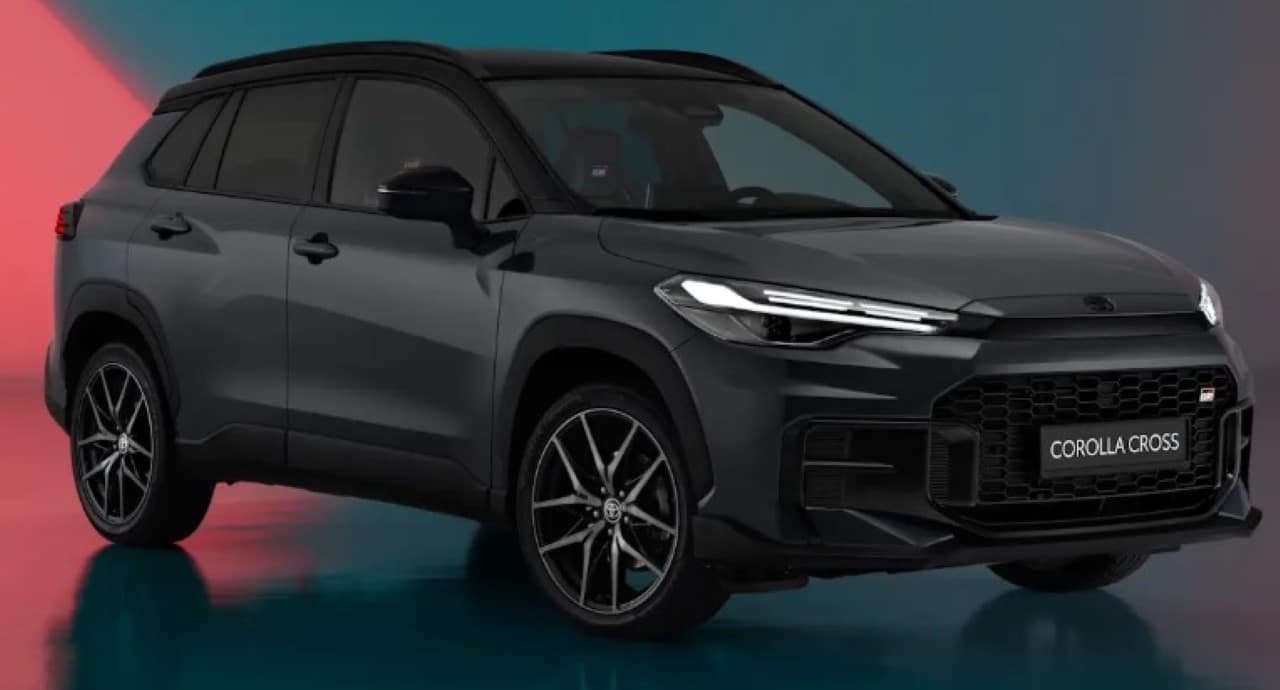
Aesthetically, the model will undergo restyling in line with the brand’s global trends. The front adopts a new front grille integrated into the body, giving a cleaner and more futuristic look, flanked by LED headlights with a new light signature. At the rear, the headlights also receive new internal LED arrangements, modernizing the nighttime optics.
The interior of the vehicle is bathed in digital technology. The traditional instrument panel gives way to a 12.3-inch configurable screen, allowing the driver to prioritize driving information. In the center, the 10-inch multimedia system offers wireless connectivity for Android Auto and Apple CarPlay, eliminating the need for cables on the console.
To complement the onboard experience, a more powerful 15W induction smartphone charger was installed, ensuring faster recharges during the journey. The finish has also been revised, with the adoption of new soft-touch materials and upholstery options that elevate the cabin’s perception of quality.
Improved dynamics in the GR-Sport version
In response to requests from enthusiasts, the 2027 line will mark the debut of a GR-Sport configuration with real engineering modifications, going beyond aesthetics. Desenvolvida by the Gazoo Racing division, the version features a recalibrated suspension, new shock absorbers and springs, as well as a 10 mm reduction in height from the ground to improve the center of gravity.
The chassis structure received specific reinforcements to increase torsional rigidity, which translates into more direct behavior in curves and greater stability at high speeds. The electric steering has also been readjusted to offer more precise feedback to the driver, better connecting the driver to the car’s reactions on the asphalt.
Visually, the sports version is distinguished by exclusive bumpers, a honeycomb-pattern front grille and 18-inch wheels with a specific design. Inside, seats with greater lateral support, contrasting stitching and the sports division emblem on the steering wheel and headrests complete the package aimed at those looking for a more engaging drive.
Impact on national industry and exports
The confirmation of these new products at the Sorocaba plant reaffirms the role of Brasil as an export platform for América Latina. Investment in modernizing the assembly line and nationalizing components is crucial to maintaining price competitiveness and logistical fluidity.
With electrification advancing in global portfolios, the Brazilian unit’s ability to deliver technologically updated products guarantees the relevance of the regional operation compared to Chinese and European competition, ensuring leadership in sales in the segment.




