
Toyota Hiace utility vehicle receives a look inspired by the Alphard and new active protection technologies

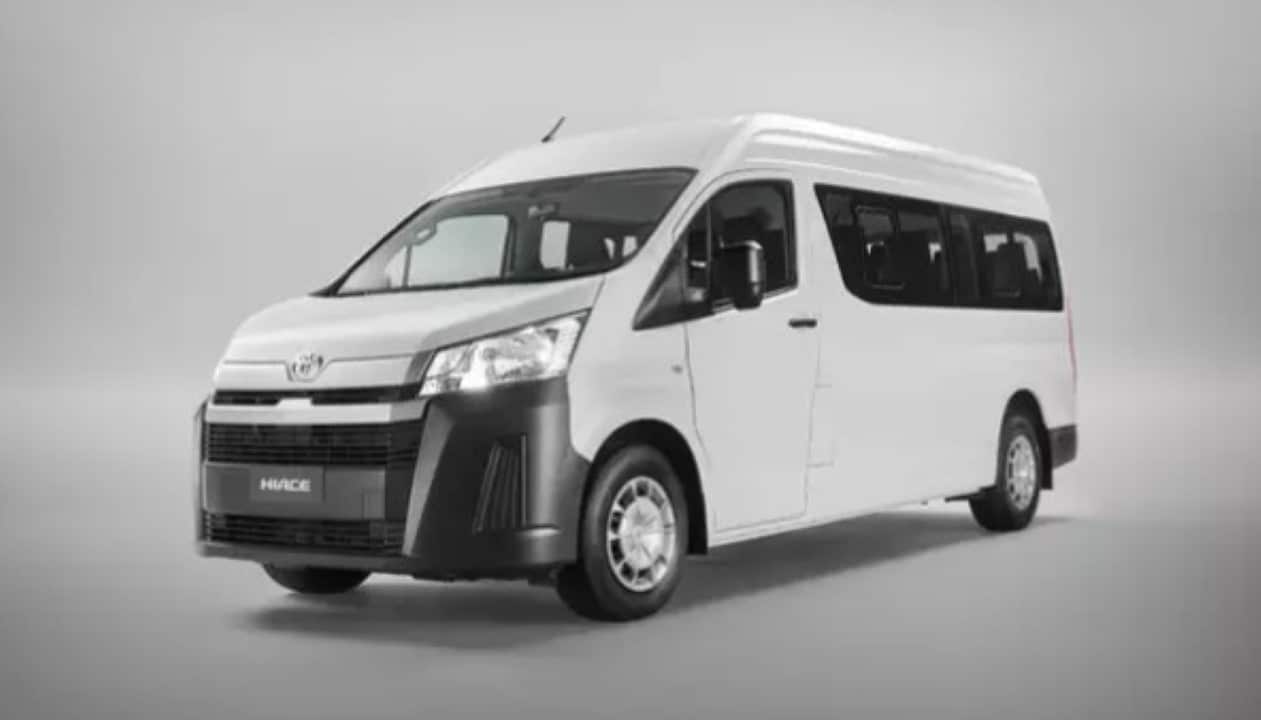
Toyota officially renewed the Hiace line, one of the most traditional commercial vehicles in the Japanese brand’s portfolio. The update focuses on aesthetic modernization and the increase in safety technologies, maintaining the renowned Série 200 platform, which has been in production for more than two decades. Sales of the new configurations are scheduled to begin in February at Japão dealerships.
The automaker’s move aims to align the utility vehicle, historically focused on heavy work, with the visual identity of the company’s high-end passenger vehicles. The main change focuses on the front, which adopts more sophisticated features to attract customers who use the van for both logistics and executive transport.
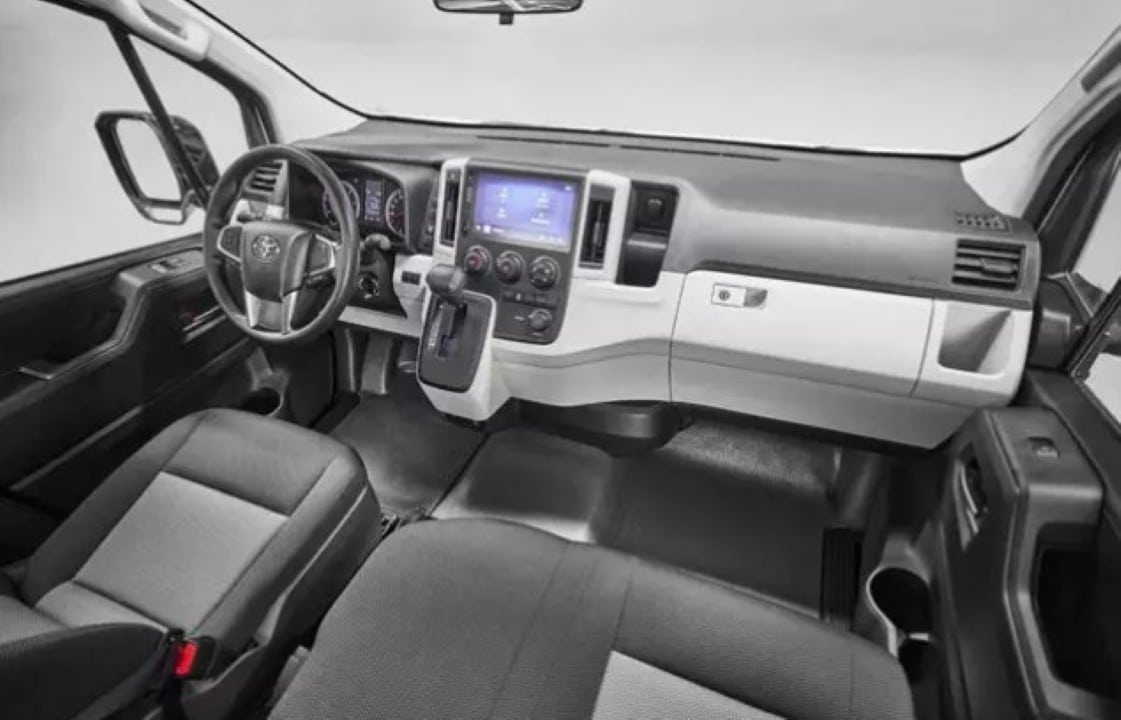
This restyling comes to the market at a time when the demand for versatile commercial vehicles requires not only mechanical robustness, but also comfort and a more imposing visual presentation. The strategy of maintaining the old platform with a new “dress” allows Toyota to offer a competitive product without the high costs of developing a completely new architecture.
Front design refers to luxury models
The visual transformation of the Hiace is led by the new front grille, which inherits the design language applied to the Alphard and Vellfire luxury minivans. The intention is to elevate the status of the vehicle, moving it away from the purely utilitarian image and bringing it closer to a more exclusive standard, often sought after by VIP transfer companies and hotels.
The optical assembly also underwent revisions to accompany the new grille, resulting in a more aggressive and modern visual signature. The external modifications were planned to create a perception of width and stability, characteristics valued in the segment. Entre the main aesthetic changes stand out:
– Grade front with chrome or darkened elements, depending on the version.
– Novos headlights with a tapered design integrated into the bumper design.
– Para-choques redesenhados para conferir maior robustez visual.
– Opções of finishing that range from operational to executive use.
These changes allow the model to move naturally between loading and unloading areas and hotel or airport entrances, serving a clientele that prioritizes aesthetics even in work vehicles. Visual customization thus becomes as strong a sales argument as load capacity.
Update to package Toyota Safety Sense
In addition to aesthetics, active safety received special attention in this update. The Toyota has recalibrated the driver assistance package, the Toyota Safety Sense, to better deal with the variables of heavy urban traffic and highways. The protection of occupants and third parties has become a priority in the engineering of the new model.
The automatic emergency braking system has been improved and now has a superior ability to detect pedestrians and cyclists, including in varying light conditions. Esse feature is essential for vans operating in busy urban centers, where the risk of collisions with vulnerable people is statistically higher.
Other features, such as lane departure warning and cruise control, have also been tweaked to reduce driver fatigue on long journeys. The implementation of these technologies on a veteran platform demonstrates the brand’s effort to keep the vehicle compliant with the strictest safety standards, without the need to immediately migrate to a new generation of chassis.
Longevity strategy in the market
The decision to extend the useful life of the Série 200 of the Hiace reflects the market’s confidence in the durability of this project. Empresas of fleet and logistics value the ease of maintenance and the wide availability of spare parts that a model with more than 20 years on the market offers. The update serves to maintain interest in the face of more modern competitors.
Automotive sector analysts point out that this renovation guarantees the Hiace considerable survival, balancing the cost-benefit of known mechanics with the attractiveness of a renewed design and current electronics. The model continues to be a global reference in versatility, serving as the basis for ambulances, school transport, cargo and tourism.



