
Volvo EX30 Cross Country overcomes extreme tests in Japanese snow with raised suspension and all-wheel drive

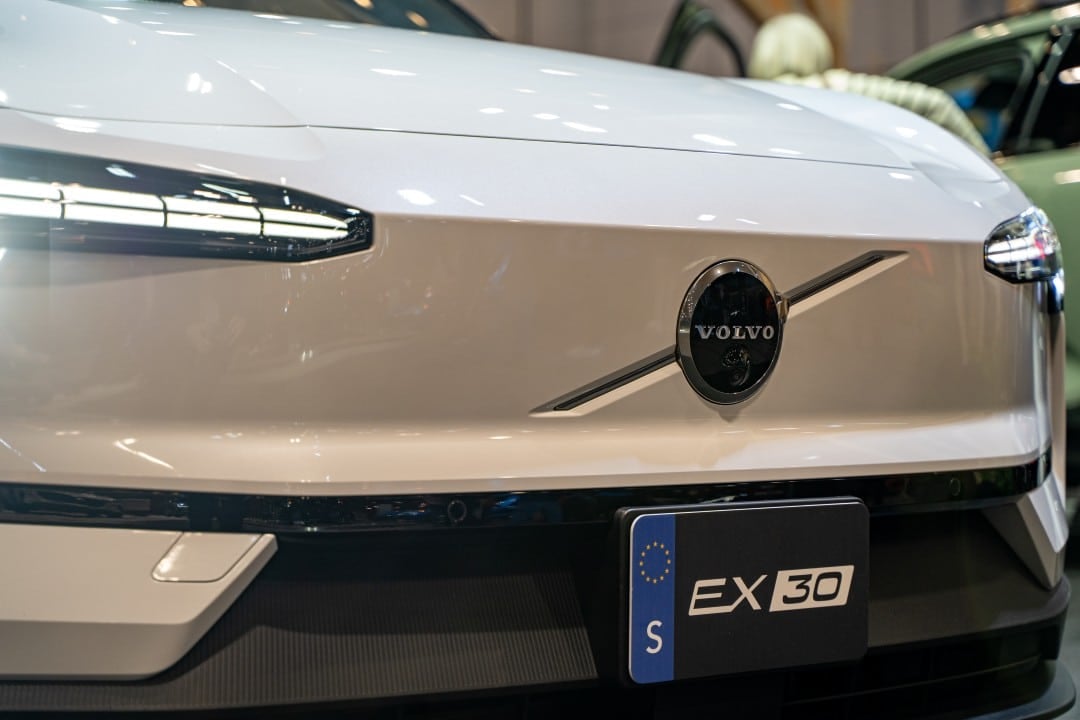
Swedish automaker Volvo recently completed a series of rigorous evaluations with its new electric model in Asia. The mountainous roads of Niigata, in Japão, served as a stage to verify the dynamic capacity and resistance of the vehicle in low temperature scenarios. The main focus of the battery of tests was to analyze the behavior of the all-wheel drive system and general stability on surfaces with reduced grip, simulating real use in severe climates.
The region selected for the tests is known for its harsh winters, offering the ideal environment to validate the structural modifications implemented in this adventurous version. Durante the route, which departed from station
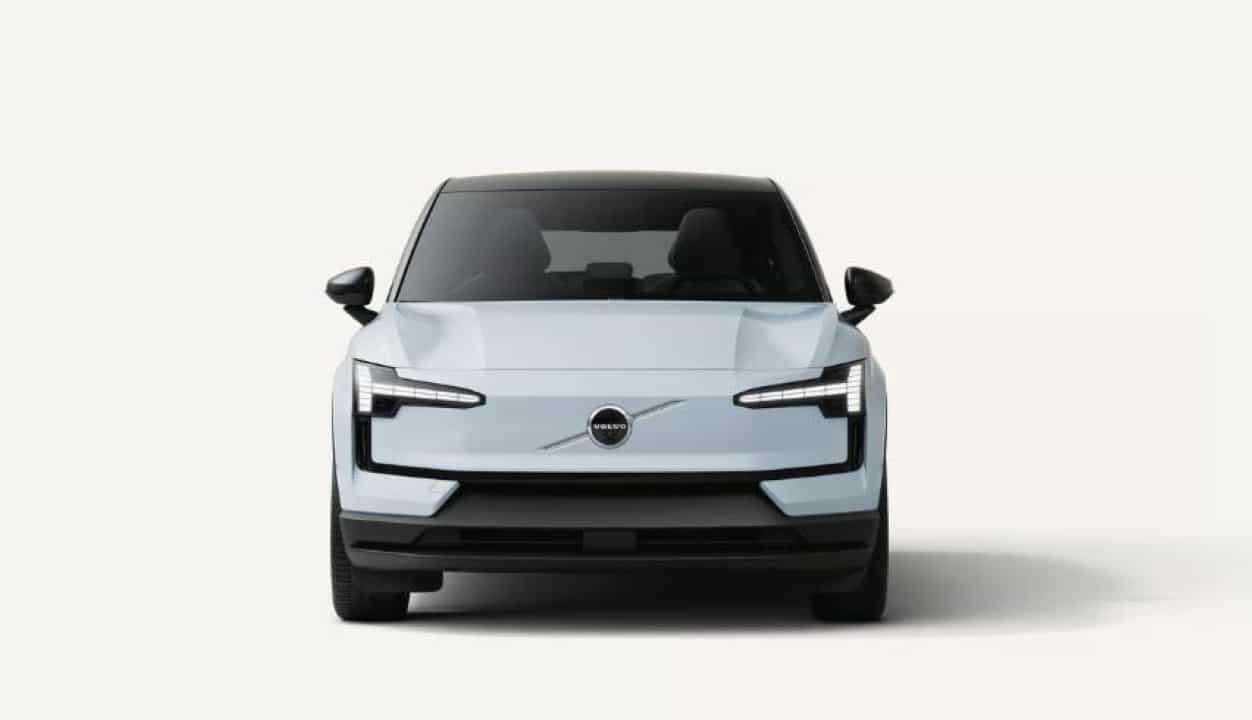
Unlike the standard version, the evaluated model has specific technical characteristics for off-road, including:
– Aumento of 20 millimeters in distance from the ground;
– Ajustes exclusive suspension for shock absorption;
– Pneus with a higher profile suitable for uneven terrain;
– Proteções reinforced structural elements in the bodywork.
The response of the electromechanical assembly was classified as immediate while driving, maintaining the brand’s tradition of high performance. Mesmo at cruising speeds and without major snow obstacles on the main road, it was possible to attest to the acoustic comfort and safety provided by the changes to the chassis, confirming that the extra robustness does not compromise drivability on conventional asphalt roads.
Functional design and exclusive details
The aesthetic development of the vehicle prioritized the transmission of an image of solidity and functionality, crucial aspects for the category. The exterior received skid plates at both the front and rear, as well as robust black bumpers designed to protect the paintwork from debris and rocks. Esses visual elements reinforce the “off-road” appeal and complement the exclusive wheels that equip the model.
One of the highlights of the design project lies in a subtle but significant detail located on the trunk panel. The Volvo creation team incorporated the topography of the mountain Kebnekaise, the highest peak of Suécia, engraved directly into the surface of the material. Junto to the geological drawing, the exact coordinates of the location were inscribed (latitude 67 degrees 54 minutes north and longitude 18 degrees 31 minutes east), serving as a tribute to the manufacturer’s Scandinavian roots and a symbolic invitation to explore new territories.
Inside, the minimalist philosophy remains, but adapted for the outdoor lifestyle. The use of space was optimized to facilitate the transport of bulky equipment, such as skis and camping items, without compromising the comfort of the occupants. The elevated driving position, combined with wide peripheral visibility, contributes to increasing the driver’s feeling of control over the surrounding environment.
Propulsion system performance
The model’s performance is guaranteed by the Twin Motor Performance propulsion system, which uses two electric motors, positioned one on each axis. Esta configuration ensures permanent all-wheel drive (4WD), allowing intelligent and instantaneous distribution of torque between the wheels. The system adjusts in milliseconds to maximize grip, whether during rapid acceleration on asphalt or when negotiating mud and snow.
The combined power of the engines results in vigorous acceleration, typical of electric sports cars, but with a calibration focused on safety on slippery surfaces. The electronic management measures the delivery of force to avoid unnecessary distractions, keeping the vehicle on the trajectory stipulated by the driver, even in sharp curves or during sudden changes in direction.
The raised suspension works in conjunction with traction to filter out imperfections in the ground. The adjustment of the shock absorbers took into account the additional weight of the batteries and the demands of rough terrain, resulting in a ride that balances firmness and comfort. The ability to overcome small obstacles without scraping the bottom of the car significantly expands the model’s range of use beyond urban centers.
Versatility for today’s market
The introduction of this variant into the brand’s portfolio responds to a growing demand for electric vehicles that are not limited to city use. The combination of compact dimensions and off-road capability positions the car as a versatile alternative for consumers who need agility in daily traffic, but who are also looking for a vehicle capable of taking weekend trips to more difficult to access locations.
Tests carried out on Niigata confirmed the balance between energy efficiency and dynamic capacity. The thermal management of batteries in cold climates, an often critical point for electric cars, proved to be effective during the journey, maintaining autonomy within expected parameters. With this launch, the manufacturer reinforces its commitment to total electrification, proving that the energy transition is compatible with vehicles intended for adventure and leisure.



