
Apple plans to launch the first foldable iPhone and renew the Pro line with a focus on artificial intelligence


The technology industry eagerly awaits Apple’s movements for the second half of this year, a period that should mark one of the most significant transformations in the company’s portfolio. The central strategy involves the definitive entry into the foldable devices market and a profound restructuring of the premium smartphone line. The objective is to consolidate leadership in the high-performance segment, integrating cutting-edge hardware with new neural processing capabilities.
Market analysts indicate that the launch calendar will be intense, focusing not only on new physical formats, but also on energy efficiency and deep software integration. The company seeks to respond to the demand for tangible innovation, offering products that justify investment in a competitive economic scenario.
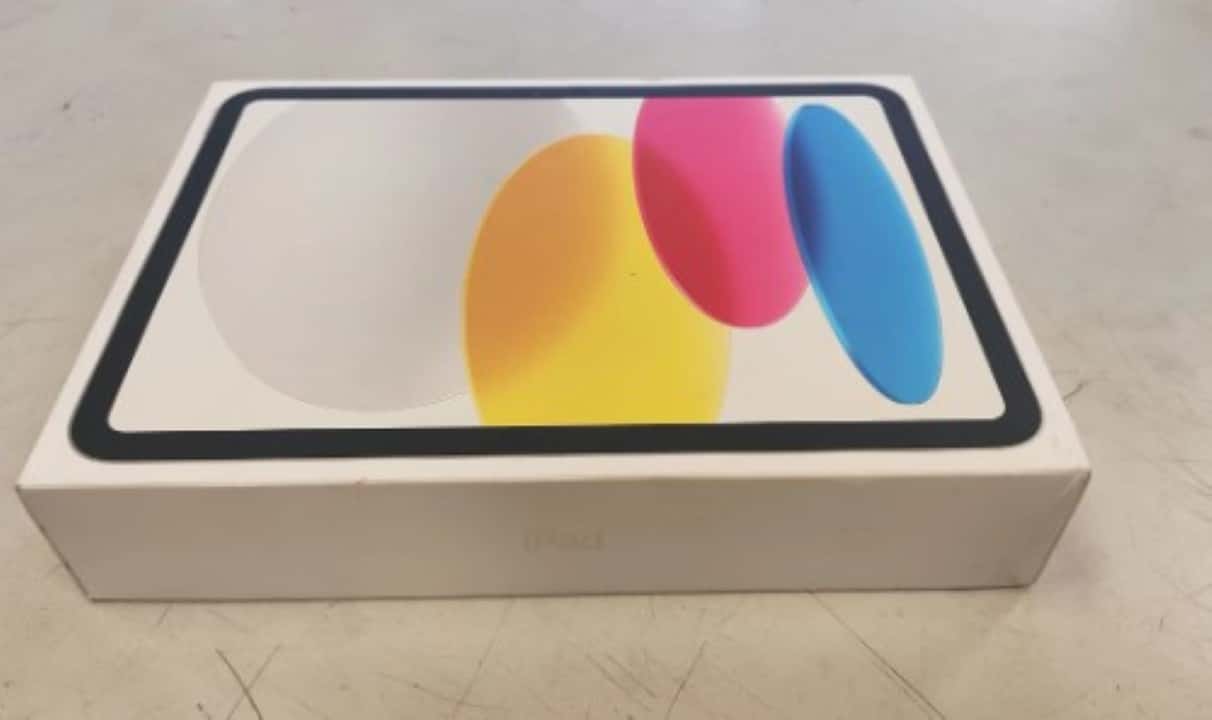
The expected updates are not limited to phones. The ecosystem must be reinforced with new tablets and smart home solutions, creating a network of interconnected devices that prioritize user privacy and fluid exchange of information between screens.
Details of the unprecedented foldable iPhone
The most anticipated device of the year is the so-called iPhone Fold, which should adopt the book format. The technical specifications point to a robust device, built with a titanium structure to guarantee durability without compromising weight. The internal screen should be around 7.8 inches, while the external display would be around 5.5 inches, offering versatility for both quick use and productivity.
The engineering behind the device focuses on reducing thickness, estimated at just 4.5 mm when opened. One of the big differences will be the advanced hinge, designed to minimize creasing on the flexible OLED screen, one of the main criticisms of current competing models. Performance will be guaranteed by the A20 processor, manufactured with 2 nanometer lithography.
The estimated price for this launch places the product at the top of the table, ranging between 2,000 and 2,500 dollars. The Apple should offer sober colors at initial launch, such as black and white, focusing on the executive audience and technology enthusiasts who seek the maximum innovation available.
Evolution of the iPhone 18 Pro line
Parallel to the foldable, the traditional line receives important updates in the models Pro and Pro Max. The screens should increase slightly to 6.3 and 6.9 inches, respectively. The big visual change will be the elimination of the Dynamic Island in favor of Face ID sensors positioned under the screen and a front camera housed in a discreet hole in the top left corner.
The rear camera system will gain variable aperture in specific modules, allowing light control and depth of field similar to that of professional cameras. The A20 chip will also be present in these models, promising a 15% jump in processing speed and up to 30% in energy efficiency, which should positively impact battery life.
The decision to delay the standard version of the iPhone 18 until next year demonstrates a clear focus on more expensive models, where the profit margin and demand for advanced features are greater.
New directions for iPads and the connected home
The tablet segment will undergo specific but relevant adjustments. The standard iPad must receive the A19 chip, ensuring full compatibility with the brand’s new artificial intelligence tools. Já the iPad mini is a candidate to receive an OLED screen, which would significantly improve contrast and power consumption for reading and media consumption.
Apple also plans to expand its presence in homes with a new central hub. Este device will function as a control screen for the HomeKit ecosystem, integrating cameras, motion sensors, and audio. The proposal is to centralize the management of smart devices in an intuitive and secure interface.
The development of a HomePod with an integrated screen is also in the plans, reinforcing the strategy of keeping the user connected in all areas of the house.
Advances in Macs and display technology
The brand’s computers start the year with the introduction of M5 chips in models such as the MacBook Air and the Mac mini. Essas machines aim to maintain leadership in performance per watt, offering enough power for complex tasks in compact form factors.
The transition to OLED screens on Pro MacBooks is expected to occur gradually, bringing deep blacks and more vibrant colors to professional laptops. The design should follow the trend of iPhones, adopting hole-punch cameras and eliminating the traditional notch. Chips 2 nm M6 and 5G connectivity are expected for future versions of these devices.
Artificial intelligence and virtual assistant
Siri will undergo its biggest update to date, driven by large-scale language models. The virtual assistant will no longer be just reactive but will become contextual, capable of understanding nuances and carrying out complex task sequences with natural commands.
The processing of this information will prioritize local execution on the device, maintaining the company’s privacy policy. Software updates will bring these capabilities to all compatible hardware, unifying the user experience through generative artificial intelligence.
The combination of powerful hardware, such as 2nm chips, with optimized software defines Apple’s roadmap to maintain its relevance and dictate trends in the global technology market in the coming months.




