
Attack on bunker in Tehran raises doubts about Khamenei’s life and mobilizes international diplomacy

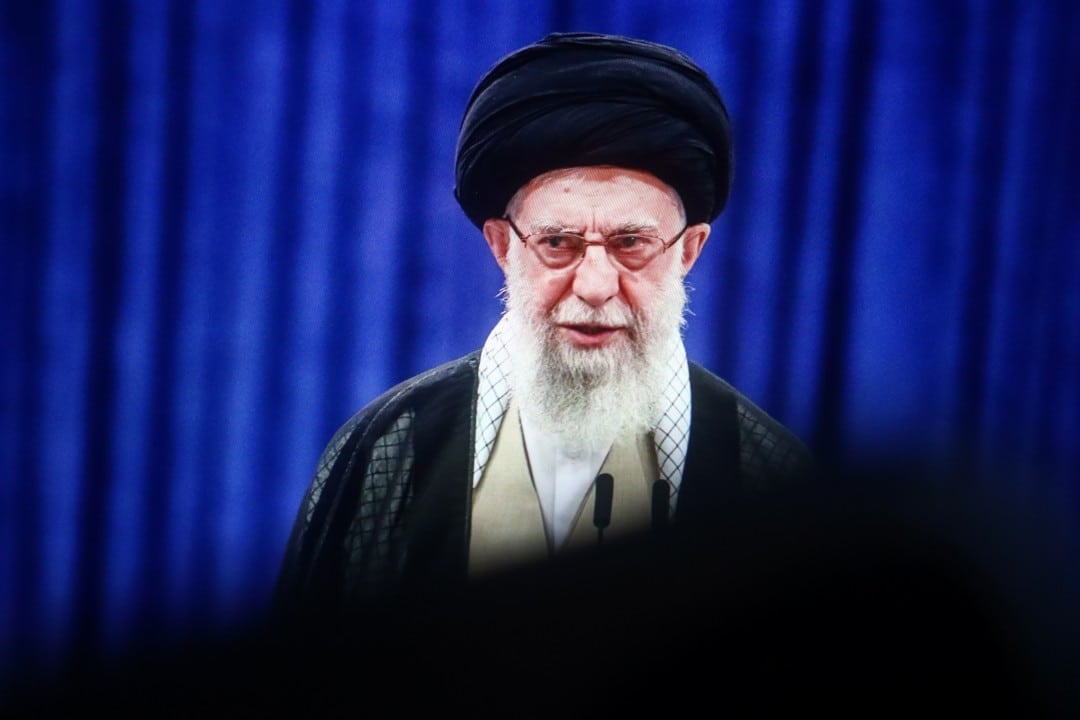
Intelligence reports released this Saturday point to a possible drastic change in the political scenario of the Oriente Médio, with indications that the maximum leadership of the Irã may have been fatally affected. Fontes linked to international agencies suggest that a recent military offensive against security complexes in Teerã would have reached deep underground structures. The operation, attributed to external forces, targeted places where the top leadership of the Islamic regime held strategic meetings.
The lack of official statements from the Iranian government has fueled rumors and raised the level of alert in several Western capitals. Diferente From previous protocols, where proof of life was quickly disseminated to quell speculation, the current silence is interpreted by defense analysts as a sign that the situation behind the scenes may be critical. The lack of immediate confirmation creates an information vacuum that worries global strategists.

The attack was described by military observers as a high-precision surgical action, designed to penetrate fortifications theoretically invulnerable to conventional bombing. The specificity of the target suggests that the perpetrators of the offensive had privileged, real-time information about the location of the government elite. Caso the death of the ayatollah is confirmed, the event will represent a historic counterintelligence failure and a turning point in the undeclared war ravaging the region.
Regional instability and repercussions on the financial market
The possibility of a power vacuum at the top of the Iranian hierarchy generated immediate reactions in global financial markets, which have operated with extreme volatility in recent hours. The price of oil registered significant fluctuations, driven by fears that confirmation of the death could trigger massive retaliation or even a collapse in the country’s military chain of command. Investidores seek refuge in safe assets in the face of uncertainty about how groups allied to the resistance axis will react to the potential loss of their main ideological patron.

European and North American diplomats began emergency consultations to assess the risks of an uncontrolled escalation in Oriente Médio. The main concern lies in the fact that the lack of clear leadership in Teerã could lead to miscalculations on the part of local military commanders or regional militias. The breaking of the tacit red lines, which had hitherto preserved maximum Estado figures from direct attacks, signals a change in engagement doctrine, suggesting that the strategy of decapitation of the opposing regime is now considered a viable option.
The geopolitical scenario of 2026 was already tense, but the current crisis raises instability to a new level of imminent danger. The absence of proof of the supreme leader’s life transformed what could be just another episode of conflict into an existential risk factor for the regime. The international community awaits the next announcements from Iranian state media with apprehension, aware that any official announcement will have profound repercussions for global security and the balance of forces in the region.
Succession protocols and internal disputes
The political structure of the Irã has defined mechanisms for replacing the supreme leader, centered on the Assembleia of the Peritos, a deliberative body composed of senior clerics. However, activating this process in the midst of open military conflict presents unprecedented logistical and political challenges. The sudden death of a centralizing figure could trigger fierce internal disputes between the different factions that make up the government, ranging from pragmatists to ultraconservatives linked to the military wing.
Historically, the regime has demonstrated resilience in times of crisis, maintaining government cohesion even under severe external pressure. Contudo, the magnitude of the current attack calls into question the effectiveness of government continuity protocols. The omission of the Ayatollah’s name in recent bulletins is seen by experts as an indication that authorities may be buying time to organize a transition or prepare the population for shocking news that would alter the current power structure.
Guarda Revolucionária, which holds great economic and military power, will play a crucial role in any succession scenario that may emerge in the coming days. The armed forces’ immediate priority will be to ensure internal order and project strength to dissuade external enemies from exploiting the moment of fragility. The movement of troops and the reinforcement of security around government buildings and nuclear installations have already been observed by satellites, indicating that the country is preparing for all possible scenarios.
Strategic silence and diplomatic mobilization
International organizations attempt to establish reliable communication channels with Teerã to avoid misunderstandings that could precipitate an all-out war in the region. Diplomacy works on the hypothesis that, if the death is confirmed, the transition period will be marked by aggressive rhetoric, but possibly contained in practical actions while the new leadership consolidates. On the other hand, the leader’s survival, if proven, could be used as a propaganda tool to demonstrate the regime’s invincibility in the face of external aggression.
The prolonged silence, however, goes against the narrative of normality that the government usually tries to impose in crisis situations. The leader has not made public appearances or televised speeches since mid-February, suggesting that maximum security measures were already in place even before this weekend’s bombing. Total isolation in bunkers, although standard practice in times of war, is usually accompanied by written or audio messages to maintain the morale of the support base, something that has not occurred to date.
The next few hours will be decisive in determining the course of events in Oriente Médio and the future of international relations. Defining the fate of Ali Khamenei will not only affect the internal politics of Irã, but will redefine the alliances and security strategies of the entire regional bloc. The world is watching carefully, aware that the outcome of this episode will shape international relations for the rest of the year and could definitively change the balance of power.



