
Attack on residential complex kills Khamenei and generates demonstrations of jubilation in Tehran and abroad

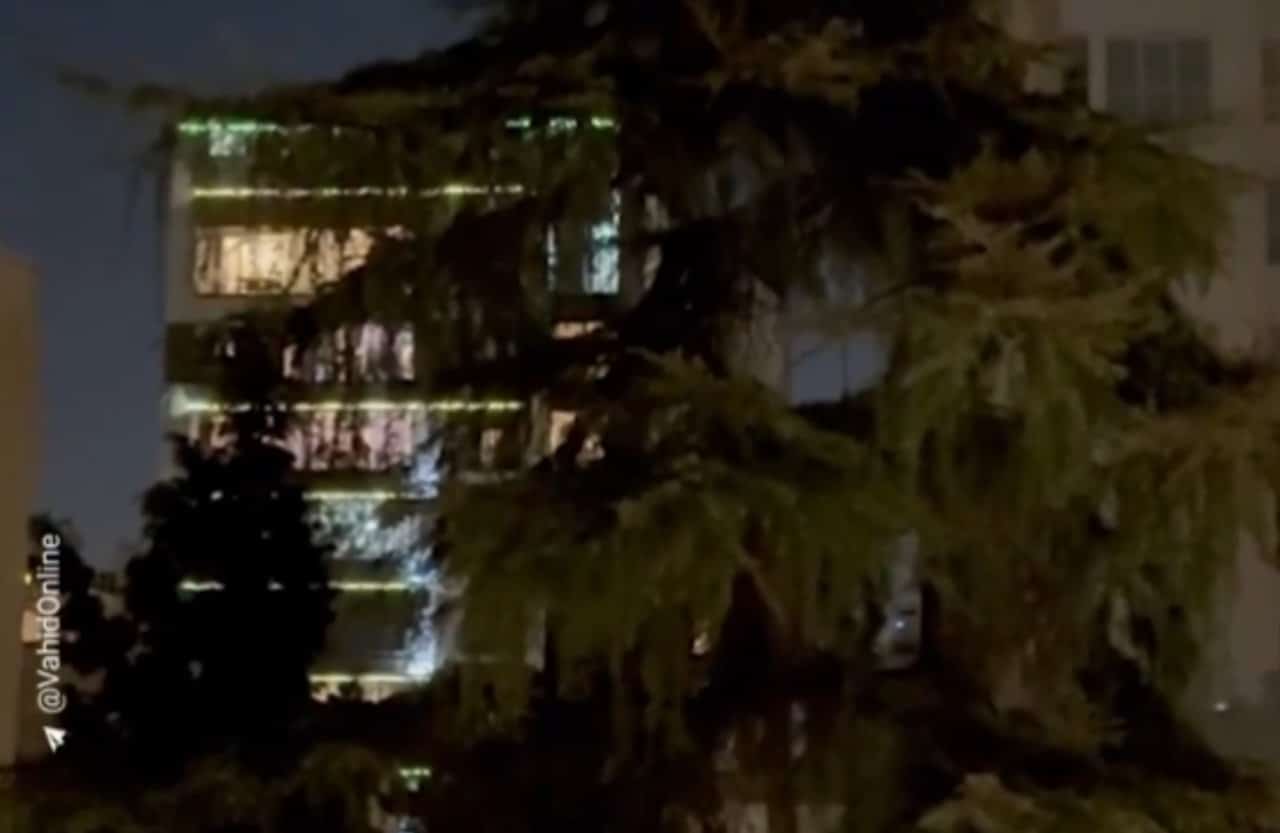
The soundscape of Teerã was drastically altered on the night of February 28th when reports of the death of the supreme leader, Ayatollah Diferente of the usual silence imposed by the regime, windows opened to give way to applause, horns and festive music, marking an immediate reaction from part of the population to the news that a joint attack had hit the Iranian leadership’s residential complex. The confirmation of the death, carried out in an unconventional way by American President Donald Trump on a social network, accelerated mobilization both within the country and in expatriate communities.
The military operation, described as a coordinated action between American and Israeli forces, directly targeted the Irã command infrastructure. Enquanto the Iranian government, through the spokesperson of Ministério of Relações Exteriores, Esmaeil Baghaei, maintained a stance of non-confirmation, the Western narrative was quick to fill the information vacuum. The euphoria recorded in neighborhoods of the Persian capital reflects accumulated social tension, now catalyzed by the possibility of a power vacuum at the top of the Islamic theocracy.
The geopolitical scenario, already unstable, is entering a new phase of uncertainty. The elimination of a figure who dominated Iranian politics for nearly four decades not only changes the country’s internal dynamics, but also sends a clear signal about the willingness of Israel and the Estados Unidos to escalate the conflict to decisive levels. The response from the streets, at both Oriente Médio and Ocidente, suggests that the figure of Khamenei was the central pillar of a system that now faces its most critical test of survival.
Repercussion in the diaspora and symbolic acts
The news crossed oceans and found an immediate echo in Iranian communities in the Estados Unidos. In cities like Los Angeles, which is home to one of the largest concentrations of Persians outside of Irã, the reaction was one of massive celebration. Manifestantes occupied the streets of
Reports collected during the events highlight the emotional weight of the event. Sam Yebri, a lawyer residing at Califórnia, described the moment as the “end of a 47-year hellish nightmare”, reflecting the feelings of generations who grew up in exile or fled religious and political persecution. Para many, the death of the supreme leader is seen not only as a political fact, but as a concrete possibility of reunion with the homeland.
Other American capitals registered creative and direct protests. Em Boston, in Copley Square, the figure of the leader was satirized with toys, while in Atlanta posters announced the end of his era. The diversity of the protesters, which include Jews, Christians, Bahá’ís and other minorities oppressed by the regime, reinforces the plural character of the exiled opposition, now united by the prospect of structural change in Teerã.
Details of the offensive and visual evidence
The prime minister of Israel, Benjamin Netanyahu, was emphatic in attributing the success of the operation to joint intelligence and military capability. In his speech, he cited “strong indications” of the death of Khamenei, a statement that gained weight with the release of satellite images. Registros captured by Airbus and analyzed by Soar Atlas show the devastation at the leader’s residential compound in
Behind-the-scenes information released by Israeli broadcasters KAN and Channel 12 indicates that the level of certainty about the success of the mission is high. Segundo these sources, senior officials would have had access to a “photo of the body” of Khamenei being removed from the wreckage. Embora not publicly made official by Washington or Teerã, the circulation of these details among the Israeli security leadership points to an internal confirmation that guided subsequent announcements.
The operation was not limited to eliminating the top leader. Netanyahu highlighted that the bombing also hit Guarda Revolucionária commanders and infrastructure linked to the Iranian nuclear program. The stated strategy is to dismantle the Irã’s ability to pose an existential threat, with the promise that the military campaign will continue in the days ahead, targeting thousands of additional targets to thwart any attempt at immediate reorganization or retaliation.
The future of the nuclear program and calls for revolt
The central justification for military escalation lies in preventing the development of nuclear weapons by the Irã. The Israeli leadership argues that fundamental change in the power structure in Teerã is the only way to guarantee regional security. The operation was designed to create a collapse in the chain of command that oversees uranium enrichment and the development of ballistic vectors, points of constant friction with the international community.
In a move of psychological warfare, Netanyahu directly addressed the Iranian people, using the regime’s moment of fragility to encourage an uprising. By stating that “help has arrived” and classifying the moment as a “once in a generation opportunity”, the Israeli premier seeks to transform the surgical strike into a catalyst for an internal revolution, betting on the popular discontent visible in the night celebrations.
The vacuum left by Khamenei opens a period of extreme volatility. Sem a clear successor and with the security infrastructure shaken by the bombings, the regime faces the dual challenge of maintaining internal cohesion and responding to an ongoing external offensive. The next few weeks will be decisive in determining whether the attack will result in the regime change desired by opponents or in an even greater hardening of the República Islâmica.



