
BYD recall affects thousands of Qin Plus DM-i units in China due to risk of battery fire


Administração Estatal of Regulação of Mercado of China officiated a large-scale security operation involving one of the world’s leading new energy vehicle manufacturers. The measure directly affects the production line of one of the brand’s most popular hybrid models, requiring immediate intervention to guarantee the physical integrity of occupants and road safety.
The statement details that the technical problem identified has the potential to cause serious incidents, including the risk of fire in specific vehicle operating situations. The fault is located in the energy management system, a vital component for the safe operation of cars that combine combustion and electric engines.
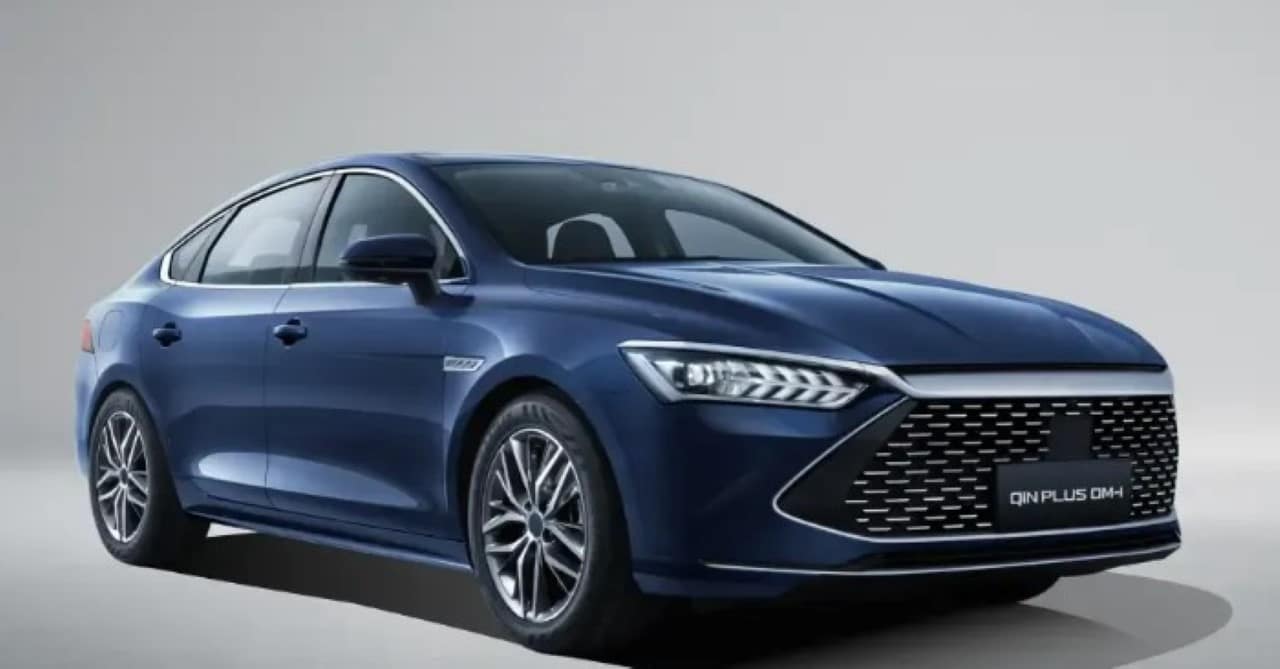
According to the regulatory documents presented, the corrective action covers a total of 87,762 units of the Qin Plus DM-i model. The manufacturing period of the affected vehicles covers the period between February 4, 2021 and December 26, 2023, indicating that the production defect persisted for a considerable period before being fully diagnosed and treated by the competent authorities and the company’s engineering team.
The Chinese automaker has already started protocols to notify owners and establish a repair schedule, which will be carried out at no cost to consumers. The action reflects increased vigilance over the quality of electric and hybrid vehicles, as the global fleet expands and the technology becomes ubiquitous in large cities.
Technical details of the controller failure
The technical investigation indicated that the origin of the risk lies in the manufacturing process of the power battery controller. Durante the assembly of this component, specifically during the casing coating stage, microcracks may occur in the capacitors on the circuit board. The presence of these microscopic imperfections compromises the stability of the automobile’s electrical system.
With continued use of the vehicle and exposure to variations in temperature and vibration, these microcracks can expand, allowing moisture to enter the electronic component. The direct consequence of this process is the risk of a short circuit, which, in extreme cases, can generate overheating and result in an uncontrollable thermal event, putting passenger lives at risk.
To mitigate these risks and correct the defect, the manufacturer developed an action plan divided into diagnostic and physical repair stages. Measures include:
- Battery control software over-the-air (OTA) update for all affected vehicles, enabling more accurate monitoring of electrical anomalies.
- Detailed physical inspection of vehicle battery controllers that display error codes after system update.
- Free battery controller replacement for units where fault is confirmed, eliminating risk of short circuit.
- Installation of new safety protocols in the battery management system (BMS) to detect voltage variations in real time.
The implementation of updates via “Over-the-Air” (OTA) demonstrates the technological capacity of modern vehicles to receive safety improvements without the immediate need to visit the dealership, although, in this specific case, hardware replacement may be necessary for a portion of the cars involved.
Market context and sales performance
Despite the recall announcement, market data indicates that consumer trust in the brand remains robust. The company continues to record impressive sales figures, maintaining its leadership position in the new energy vehicle sector. The incident is treated as a specific operational challenge in the midst of an accelerated growth trajectory.
In October, the company reported global sales that surpassed the 500,000 vehicle mark, a historic record that reinforces the continued demand for electrified models. Performance is driven by both the plug-in hybrid lineup and fully electric models, which continue to gain market share over traditional combustion competitors.
The model Qin Plus DM-i, the target of the recall, has been one of the pillars of this commercial success, offering a combination of energy efficiency and competitive price that attracted thousands of buyers. The agility in responding to the security problem is seen by analysts as crucial to maintaining the reputation of the model and the brand in the long term.
The automotive industry is closely watching how this recall will be managed, serving as a barometer for the quality standards required in the new era of electric mobility. Transparency in the process and the effectiveness of corrections will be decisive in consolidating the reliability image of Chinese vehicles in the global market.
Procedures for owners
Owners of vehicles listed in the call must wait for official notification or check the status of their cars through the automaker’s digital channels. The company has provided consultation tools based on the chassis number (VIN) to facilitate the identification of units that require technical intervention.
The recommendation of security authorities is that, upon receiving the software update notice, users proceed with the installation immediately. Caso the vehicle system indicates any irregularity after the update, scheduling a service at the authorized network must be done urgently to replace the defective component.



