

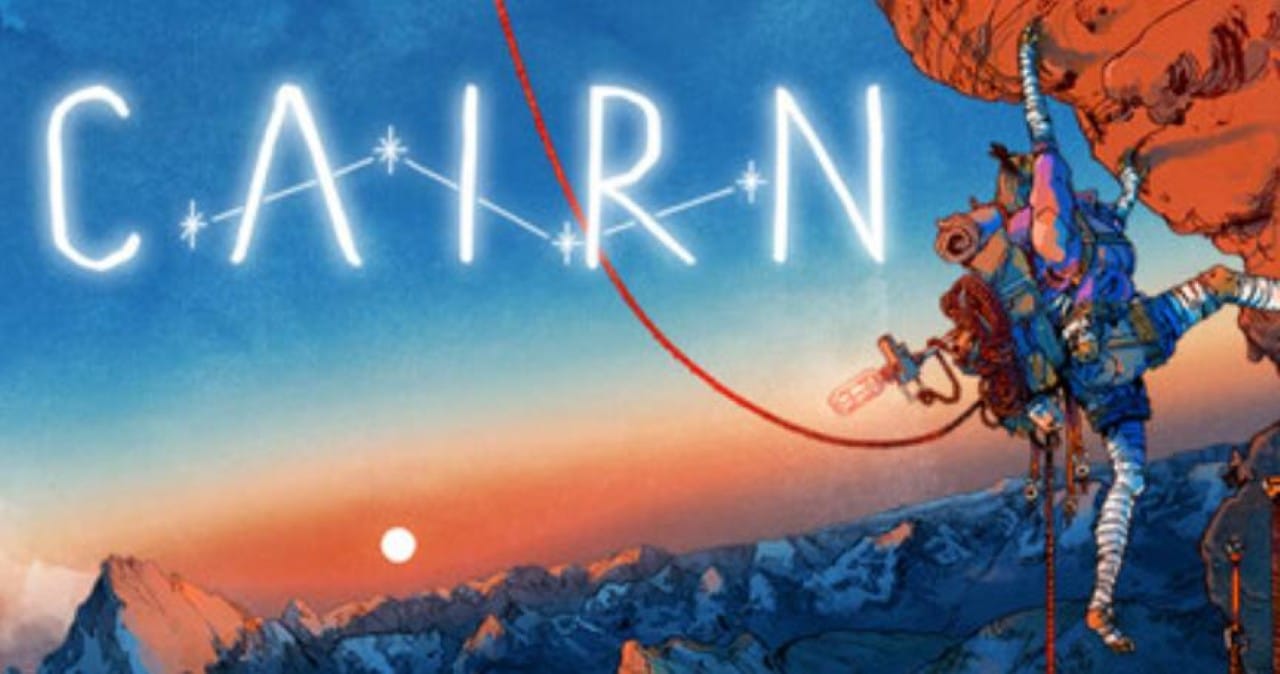
The Game Bakers’s new bet transports PlayStation 5 owners on a solitary and vertical journey towards the top of the unexplored Monte Kami. The production has stood out in the current scenario for abandoning traditional conventions of automatic movement, requiring the player to take manual control of each limb of the protagonist Aava. Essa technical approach results in an experience where every grip on the rock matters and a mistake can be fatal.
Unlike other adventure titles where climbing is fluid and predetermined, the game uses a procedural physics system that eliminates recorded animations. The environment reacts in real time to the user’s decisions, creating a tactile interaction that simulates the real physical effort of the activity. The proposal is to convey the tension of being suspended thousands of meters in height without guaranteed safety nets.
The fictional mountain setting serves as a silent antagonist, presenting obstacles ranging from narrow crevasses to unstable ice walls. Para To overcome the challenge, it is necessary to manage not only movement, but also the character’s vital resources.
- Strategic use of pitons creates manual save points on the rock.
- Factors such as hunger and thirst directly impact physical performance.
- Body temperature must be monitored to avoid frostbite.
- Items found on alternate routes provide temporary benefits.
Control and fatigue mechanics
The gameplay focuses on hand-eye coordination, where the player must individually position Aava’s hands and feet to find stability. The visual and tactile feedback system is crucial, as the climber’s limbs begin to shake when resistance reaches critical levels, signaling the urgent need for rest or a change in posture.
This fatigue mechanic prevents the climb from being done in an accelerated or thoughtless manner. The rhythm is deliberately paced, forcing a constant analysis of the rocky surface in search of safe supports. The user interface remains clean most of the time, allowing the focus to remain on the topography and character reactions.
Total freedom in the mountains
One of the differences most praised by specialized critics is the absence of mandatory paths or visually marked trails. Monte Kami is a vertically open environment, allowing each player to chart their own route to the summit, be it more direct and dangerous or long and safe. Essa freedom encourages lateral exploration, often rewarding curiosity with better equipment or rare supplies.
The camps, or bivouacs, serve as islands of safety amidst the hostile environment. Nesses places, it is possible to recover health, prepare food and repair equipment worn out by use. The strategy of when and where to set up camp defines the success of the attack, as resources to create these resting points are limited.
The narrative follows a minimalist line, avoiding long expositions or frequent dialogues. The story of Aava and the mysteries of the mountain are revealed in subtle ways, often through messages left by others or by the atmosphere of isolation itself. The sound design replaces grand soundtracks with the noises of wind and breathing, enhancing the feeling of solitude.
Technical performance and reception
On the Sony console, the title features an unlocked frame rate that fluctuates depending on the complexity of the rendered scene. The initial areas demonstrate greater fluidity, while the external sections with vast horizons can present variations close to 30 frames per second. Contudo, due to the slow and strategic nature of the movement, these oscillations do not compromise the precision necessary for climbing.
The reception has been mostly positive, with high averages in rating aggregators. Especialistas point out the originality of the proposal and the competent execution of physics as the high points. The game manages to balance the natural frustration of a high-risk activity with a fair rewards system, consolidating itself as a unique experience in the device’s catalog.



