
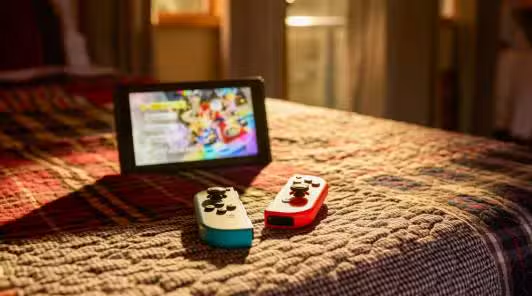
This Friday, The Pokémon Company officially announced the return of two of the franchise’s most acclaimed titles to modern consoles, marking the series’ anniversary celebrations. The digital versions of Pokémon FireRed The release includes both the current Nintendo Switch and the successor Switch 2, ensuring preservation of the library between generations of hardware.
The games hit the market with a suggested price of US$19.99 for each version, adopting an individual purchase model that differs from the classic libraries offered in the subscription service. The availability occurred shortly after the end of the brand’s official news broadcast, which detailed the launch schedule for the year. The initiative responds to a long-standing demand from the community for legal and practical access to third-generation remakes, originally released for Game Boy Advance in 2004.
Preserving the original experience was the central focus of this relaunch, maintaining the aesthetics and mechanics that defined the games more than two decades ago, but with necessary adaptations for the current ecosystem. The absence of modern graphical improvements or changes to the game’s speed was a deliberate decision to maintain fidelity to the source material. Support for multiple languages, including English, French and Spanish, requires the consumer to select the specific version in the digital store before downloading.
Connect and multiplayer features
One of the main attractions of these new versions is the implementation of a local connectivity system that emulates the experience of the old Game Boy Advance wireless adapter. Players can connect two physically close Nintendo Switch consoles to perform Pokémon exchanges and battles, without the need for cables or an internet connection. The feature, known as Pokémon Wireless Club, allows direct interactions and revives the in-person social aspect that has always been a pillar of the franchise.
Competitive battles follow the rules established in the third generation, allowing level adjustments and item restrictions according to agreement between participants. The functionality is essential for those who wish to complete Pokédex, as certain monsters only evolve through exchange. Além Furthermore, cooperation is necessary to obtain creatures exclusive to each version, encouraging friends to acquire opposing editions to help each other.
The company also confirmed that support for the Pokémon Home app will be added in a future update, although it will not be available on launch day. Esta integration will allow trainers to transfer their captures from Kanto to the latest games in the series, such as the ninth generation and the upcoming Legends Z-A. Cloud functionality for saving progress is also active for subscribers, ensuring the security of users’ data.
Integration with Nintendo Music and soundtrack
In parallel with the launch of the games, the Nintendo Music application received a significant update focused on fans’ nostalgia. The subscriber-only streaming service’s library now features the complete FireRed and LeafGreen soundtracks. The catalog includes more than 40 remastered tracks, ranging from the calm themes of Pallet Town to the intense gym battle songs of Elite Four.
Users can access pre-selected themed playlists or create their own playlists with favorite music from the Kanto region. The update aims to complement the gaming experience, allowing fans to immerse themselves in the sound atmosphere of the third generation even when they don’t have the console in hand. Access to this musical content does not require an additional cost for those who already have an active subscription to the Nintendo online service.
Return to the region of Kanto and Ilhas Sevii
The main campaign takes players back to the classic journey to become the champion of Liga Pokémon, starting with the crucial choice between Bulbasaur, Charmander and Squirtle. The progression structure maintains the challenge of defeating the eight gym leaders, facing the criminal organization Equipe Rocket and overcoming the challenges of Elite Four. The need for strategy in team building and the use of technical items (TMs) remains unchanged, offering a level of difficulty that many fans consider superior to more recent titles.
An important difference between these remakes in relation to the originals of Game Boy is the presence of the Ilhas Sevii, a vast additional area that becomes accessible during and after the main campaign. Este Archipelago significantly expands playtime, introducing new stories, characters, and species from Pokémon that do not appear on the continental map of Kanto. The islands serve as a bridge to introducing creatures from the Johto region and provide robust post-game challenges.
Players must explore seven distinct islands, each with its own geographic features and mysteries to solve. Missões involving rare items such as the MysticTicket and AuroraTicket are present, allowing access to special and legendary events. Exploring these areas is essential for anyone looking to complete National Dex and uncover all the secrets that the definitive version of Kanto has to offer.
Unique differences between versions
The choice between FireRed and LeafGreen goes beyond preference for the color of the cover or the initial Pokémon, directly influencing the availability of wild creatures. The FireRed version prioritizes the appearance of species such as Ekans, Oddish, Psyduck, Growlithe and Scyther, offering a variety that favors certain elemental types at the beginning of the adventure. Além Additionally, item distribution and the frequency of certain encounters on specific routes are adjusted to create a distinct experience.
On the other hand, LeafGreen edition offers exclusivity on Pokémon as Sandshrew, Vulpix, Bellsprout, Slowpoke and Pinsir. Estas differences are designed to foster interaction between players, making exchanges a mechanical necessity for completing the game’s objectives. The encounter rate of certain rare Pokémon also varies, requiring patience and thorough exploration of the tall grass areas and caves.
Historical context and legacy of the third generation
The relaunch of these titles celebrates the franchise’s 30th anniversary, revisiting the moment in which the series consolidated its ability to reinvent itself through remakes. Originalmente launched in 2004, FireRed and LeafGreen were responsible for modernizing the first generation with the refined mechanics of the Ruby and Sapphire era, including the introduction of passive skills and natures. Estas additions brought a strategic depth that did not exist in the 1996 games, standardizing the battle system that is still used today.
The commercial success of these versions in the past, with over 12 million copies sold globally, demonstrates the enduring appeal of the Kanto region. Their arrival on the eShop positioned both titles at the top of the bestseller lists immediately after their announcement, confirming that nostalgia combined with accessibility continues to be a driving force in the video game market. The simultaneous global digital release strategy reflects the evolution of Nintendo’s distribution, eliminating the long localization waits that were common at the time of the original release.