
Confirmation of the death of Iranian supreme leader after bombing triggers celebrations in Tehran and abroad

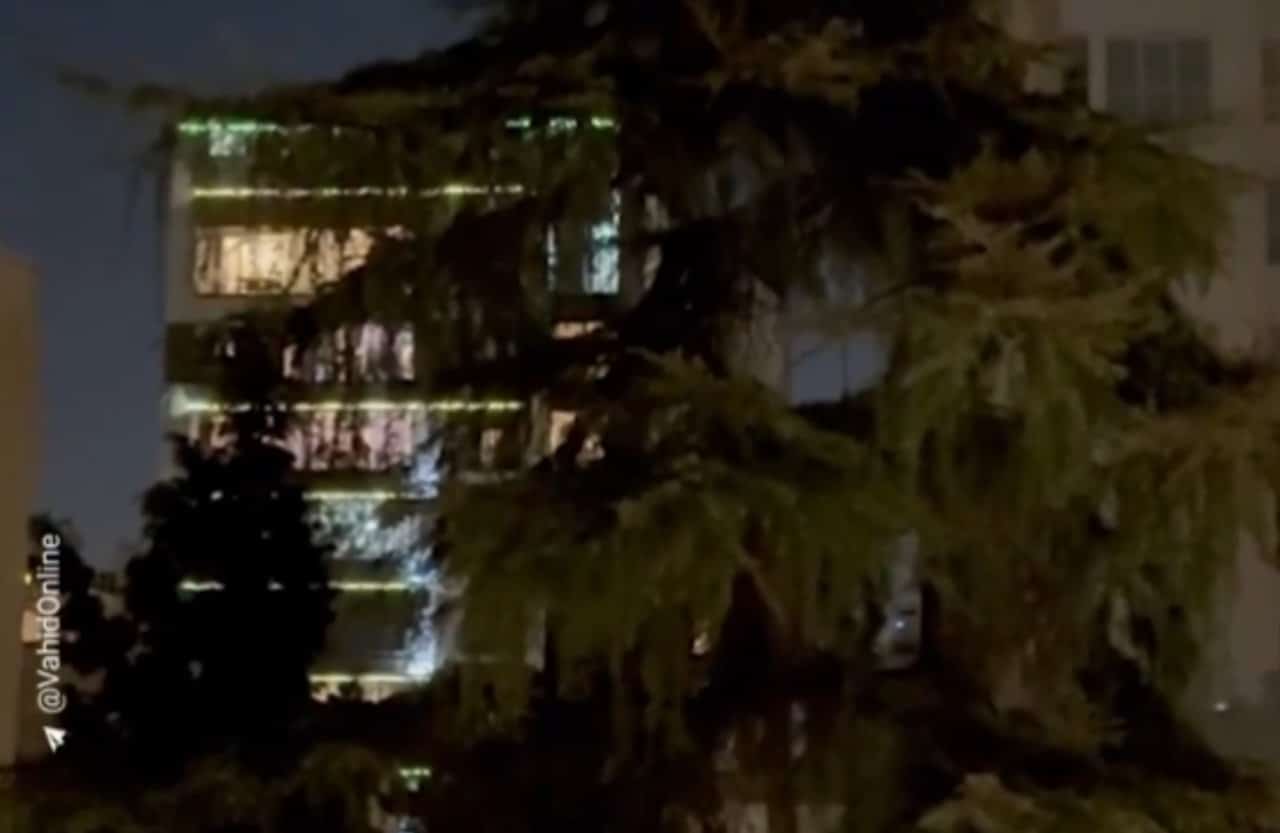
Demonstrations of joy broke out in several neighborhoods of Teerã on the night of February 28, shortly after the first news about Ali Khamenei’s death circulated. Relatos locals describe residents at the windows, applause and honking horns that broke the capital’s usual silence under the strict regime. The confirmation of the death, resulting from a coordinated military operation, marks a turning point in the geopolitics of Oriente Médio and generated immediate reactions around the world.
Joint operation and statements by international leaders
Benjamin Netanyahu, prime minister of Israel, was the authority responsible for detailing the evidence of the mission’s success, describing a surprise attack on the ayatollah’s residential complex. Segundo the Prime Minister, the action was decisive and aimed to dismantle the regime’s command infrastructure at a critical moment. The operation had strategic and intelligence support from the Estados Unidos, demonstrating deep military coordination between the two allied powers in the region.
Donald Trump used his digital platforms to corroborate the information almost simultaneously, validating the effectiveness of the air strike. The speed of American communication contrasted with the initial silence and hesitation of Iranian authorities to admit the extent of the damage. Emissoras Israeli television reported that leaders had access to visual evidence of the target’s elimination, citing that the body had been removed from the rubble of his official residence shortly after the bombing.
Popular celebrations and mobilization of the diaspora
While the Iranian government maintained caution, the streets of Teerã witnessed rare scenes of public euphoria, with loud music and spontaneous crowds defying security forces. The feeling of discontent pent up for decades boiled over as soon as the rumors gained strength, transforming the atmosphere from tension to open celebration. Do On the other side of the world, the Iranian community in Estados Unidos, especially in Los Angeles, organized massive marches in the neighborhood of Westwood, historically linked to Persian immigration.
Flags from the pre-revolution period were seen among the crowd chanting for freedom and the end of the theocratic regime. Para many exiles, including persecuted religious minorities who left the country after 1979, the event symbolizes the concrete hope of returning to their homeland and reconciliation with their cultural roots.
Nuclear program and strategic justifications
The central justification presented for the military offensive lies in the imminent development of nuclear weapons by the República Islâmica. Netanyahu argued in his statement that Teerã’s possession of such an arsenal would pose an unacceptable existential threat to Israel and global stability. The attack was not limited to the political leadership, it also affected high-ranking commanders of the Guarda Revolucionária and scientists directly linked to the atomic program.
Satellite images later released by intelligence agencies confirmed the severe destruction of structures in the supreme leader’s residential complex. The surgical precision of the attacks indicates a critical flaw in the Persian country’s air defense systems and a deep penetration of foreign intelligence into the regime’s security apparatus.
Power vacuum and regional uncertainties
Ministério of Relações Exteriores of Irã, through its spokesperson Esmaeil Baghaei, initially refused to confirm the death, creating a scenario of diplomatic confusion in the first hours. Essa stance reflects the complexity of succession within the Iranian political system, which now faces its most vulnerable moment in nearly forty years of Khamenei’s leadership. The absence of a centralizing figure could trigger violent internal disputes over control of the Estado and the armed forces.
Netanyahu’s direct call for the population to “rise up against the dictatorship” adds a layer of psychological warfare to the ongoing conflict. With the promise that the offensive will continue until the threats are completely neutralized, the international community awaits the next developments with apprehension, observing whether the power vacuum will result in a political transition or an intensification of regional violence.



