
Dennis Carvalho cause of death: hospital protects details about death at family’s request

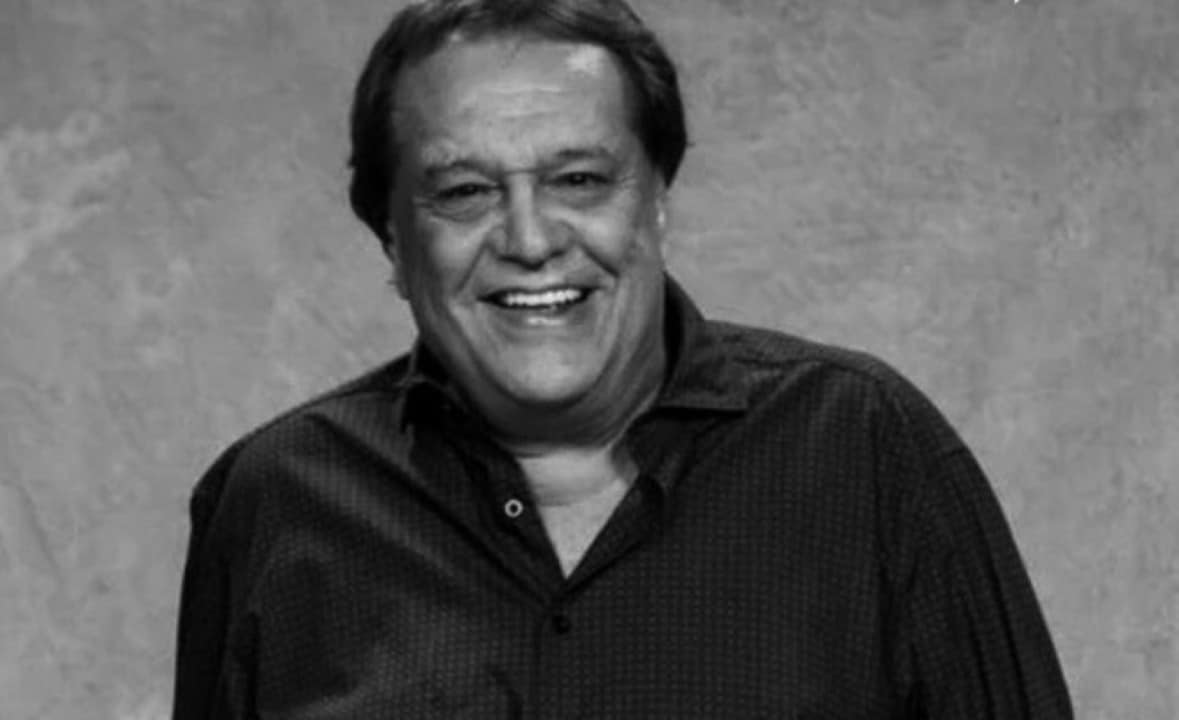
The news of the death of Dennis Carvalho, renowned actor and director, at the age of 78, deeply saddened the Brazilian artistic community and his millions of fans. Sua match, which took place on a Saturday at Hospital Copa Star, at Zona Sul of Rio of Janeiro, raised immediate questions about the causes. Contudo, the medical unit chose not to disclose details, respecting an explicit request from the family, who sought to preserve the intimacy of the moment. Essa discretion highlights the complexity of managing public information and the right to privacy in moments of mourning, even for figures of such national prominence, highlighting the ethical stance adopted by the health institution.
The hospital issued a formal statement confirming the death and expressing solidarity with the artist’s family, friends and admirers, but maintained absolute confidentiality regarding clinical details, as is customary when there is a reservation request from legal guardians. Essa decision by
The artistic and cultural community, in mourning, expressed itself widely through tributes, remembering the brilliant trajectory and undeniable impact of Dennis Carvalho on Brazilian television. Independentemente Despite the absence of details about the specific cause of his death, the memory of his talent and dedication remains alive, reverberating in all the generations that followed his works.
Respect for family privacy and medical ethics
Hospital Copa Star’s stance, in confirming the death of Dennis Carvalho without detailing the cause of death, strictly aligns with the principles of medical ethics and the right to privacy of patients and their families. In situations of high public visibility, hospitals often face pressure to disclose detailed information, but the protection of privacy prevails as a fundamental value, especially when there is an explicit request from the family. Esta conduct is an essential pillar of the relationship of trust between the healthcare institution and loved ones, ensuring that the grieving process takes place as privately as possible, away from excessive public scrutiny.
Brazilian legislation, including Lei Geral of Proteção of In the case of Dennis Carvalho, the family exercised its right to maintain discretion over the details of the departure, and the hospital acted accordingly, demonstrating professionalism and sensitivity. Transparency in confirming death was combined with reserve about intimate details, a crucial balance in cases involving personalities.
A successful trajectory in television drama
Dennis Carvalho built a unique career, marked by versatility and innovation, which established him as one of the biggest names in Brazilian television and national culture. With more than five decades dedicated to the art, he worked as an actor in memorable theater and television productions and, above all, stood out as a director, putting his authorial stamp on serials that became television drama classics. Sua refined vision for the plot, actor direction and innovative visual aesthetics transformed soap operas into true cultural landmarks, capable of guiding social discussions, dictating trends and moving millions of viewers across the country. Entre His most iconic works are “Vale Tudo”, a scathing social critique that remains current in its portrayal of ethics and corruption; “Celebrity”, which explored the behind-the-scenes of fame with mastery and an engaging script; and “Paraíso Tropical”, a critical and public success that marked the 2000s.
Health challenges and the fight for recovery
Before his death, Dennis Carvalho faced a delicate period regarding his health, which was already public knowledge in previous years. In 2023, for example, the director was hospitalized due to septicemia, a serious generalized infection that can cause serious complications for various organs in the body. During this period of hospitalization, he was also diagnosed with pulmonary embolism, a serious condition that occurs when a blood clot blocks an artery in the lungs, drastically affecting respiratory capacity and heart function, requiring immediate and intensive treatment.
The complexity of his health condition required significant interventions by the medical team, including surgery to implant a pacemaker, an essential device for regulating the heart rhythm in cases of arrhythmias or other cardiac dysfunctions. Esses episodes of hospitalization and the medical procedures he underwent demonstrate the fragility of his health in the last years of his life. The news of his death, although shocking in its suddenness, followed a history of battles against illnesses that required care, resilience and constant medical monitoring. Dennis Carvalho’s life, both professional and personal, was marked by intensity and overcoming, characteristics that continued until his last moments, when family discretion was requested when handling information about his departure.
The impact of his departure on the artistic community
The news of Dennis Carvalho’s death reverberated deeply throughout the Brazilian artistic universe, generating a wave of commotion, sadness and countless posthumous tributes. Colegas professionals, from actors and actresses with whom he worked on dozens of television and theater productions to screenwriters, producers and team technicians, publicly expressed their pain, admiration and recognition for the director’s invaluable contribution to the country’s audiovisual sector. Muitos described him as a mentor, a visionary, a loyal friend and a professional whose passion and demand on stage raised the level of any project he was involved in.
Social networks, media outlets and television programs were flooded with emotional testimonials, remembering important moments in his vast career and the profound influence he had on several generations of artists. Celebridades and public figures from different areas mentioned him as an inspiration, a tireless creator and one of those largely responsible for the identity of national television drama. Muitos described him as a master director, someone who knew how to bring out the best in everyone.
The departure of Carvalho is seen by many as the loss of a fundamental pillar of television drama and entertainment, which leaves a huge void in the sector, but also an inspiring and lasting legacy for those who follow in its footsteps. The public recognition of his talent, dedication and boldness is unanimous, consolidating his place among the great names who shaped and continue to influence the country’s television culture, with his works frequently replayed and revisited.
The role of healthcare institutions in data protection
Healthcare institutions play a crucial role in protecting their patients’ confidential data, a responsibility that extends even after the individual’s death. Esta safeguard honors the trust placed in the health system and ensures the dignity of the person, even at such a delicate moment for their family members and for the memory that remains. Tal practice not only complies with current legal provisions, such as Lei Geral of Proteção of
The LGPD, in particular, establishes strict guidelines for the processing of personal data, including health data, which are considered sensitive. Mesmo After death, an individual’s data may still have implications for their heirs or posthumous memory, justifying the need for continued protection. Medical information can only be accessed or disclosed under very specific conditions, generally with judicial authorization or for public health research purposes, with due anonymization, never for mere public curiosity.
By denying disclosure of the details of the cause of Dennis Carvalho’s death, Hospital Copa Star has publicly reinforced its strict adherence to these fundamental principles of secrecy and respect. The health institution’s decision demonstrates that medical privacy is not just an individual patient right, but a robust institutional policy that remains firm even in the face of public outcry or media interest in cases involving high-profile figures. Essa posture is an example of the correct application of medical ethics and data protection legislation.
Data integrity, confidentiality of health information and sensitivity in the treatment of posthumous information are essential components for maintaining the credibility, trust and legitimacy of the health sector in society. Institutions that are guided by these values contribute to an environment where health and human dignity are treated with the utmost respect, reinforcing the importance of professionalism in all its aspects, from clinical care to information management.
The legacy of a master of television drama continues
Dennis Carvalho’s influence on Brazilian television drama goes far beyond audience numbers or awards won throughout his extensive career. Ele was a true craftsman of narratives and a master in leading teams, capable of extracting the maximum potential from each actor and each script, transforming simple stories into unforgettable and memorable television experiences for the audience. Sua ability to move masterfully between different genres, from the most intense drama to the lightest comedy, and his constant search for innovation and an impactful visual language, left a legacy of excellence that will continue to inspire future generations of creators and artists. Brazilian television drama is inseparable from his contribution, and his vast work remains a perennial testimony of his singular talent and his passion for the art of telling stories.
Remembering great career successes
Dennis Carvalho’s vast filmography as a director is an eloquent testimony to his ability to shape Brazilian television with works of high impact and artistic quality. Suas productions not only captivated the public with their engaging plots, but also established new aesthetic and narrative standards, becoming unavoidable references for the television industry. Ele knew how to combine popular appeal with a sophisticated artistic direction like few others, creating works that remain in the collective memory.
Some of his most celebrated and influential works include:
Estes are just a few examples that illustrate the magnitude of his contribution and the permanence and relevance of his art in the popular imagination, demonstrating his versatility and the depth of his artistic vision over several decades.
Family and grief in a discreet setting
Dennis Amid the intense public repercussion of the death of such a well-known and beloved figure, the conscious choice for discretion is a way of protecting family pain and allowing the process of saying goodbye and mourning to occur without external interference, away from curiosity and media scrutiny. The intimacy of mourning is a fundamental human right, and the family, in this case, chose to exercise this right fully, seeking a space of recollection in a moment of emotional vulnerability.
The absence of details about the cause of death, therefore, is not only a matter of strict hospital ethics and compliance with confidentiality standards, but also a direct reflection of the need to protect the family’s personal space and intimacy at such a delicate time. The press and the public, in general, demonstrated remarkable respect for this decision, focusing their attention and demonstrations on paying tribute to Dennis Carvalho’s professional trajectory and artistic legacy, instead of speculating about the most intimate aspects of his departure. Esse collective behavior of respect for family privacy is a sign of maturity and sensitivity, allowing the artist’s memory to be celebrated in its entirety.



