
Error that required age confirmation on iPhones in the United Kingdom is resolved in new update

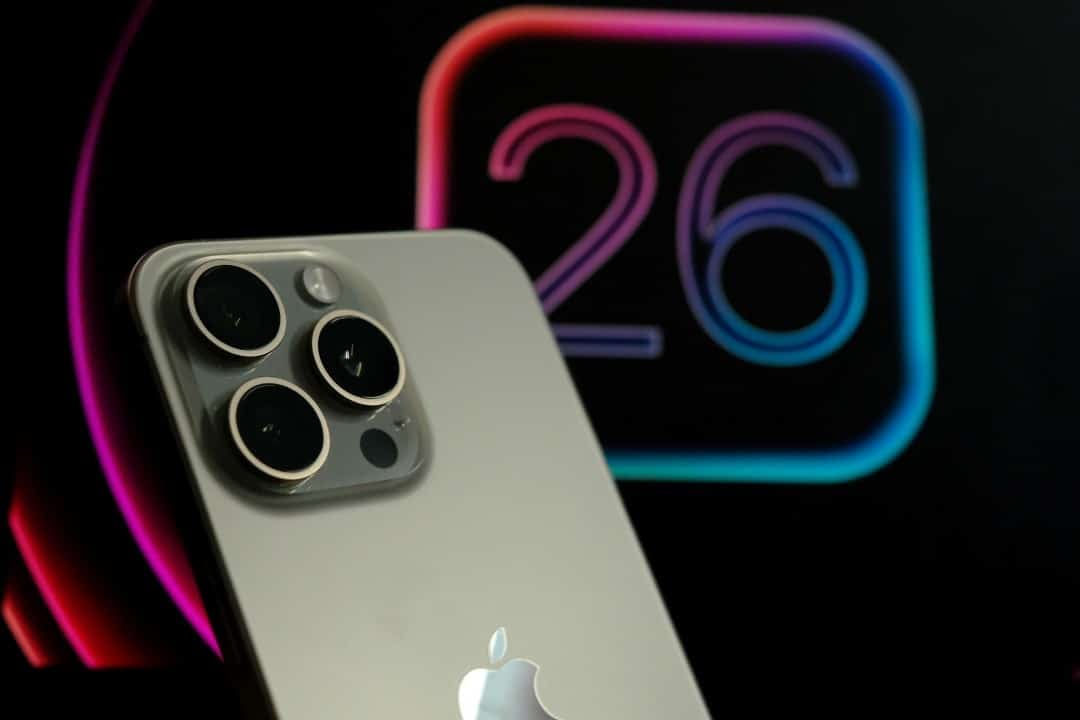
Apple has implemented an immediate fix for a technical flaw identified in the testing version of iOS 26.4 beta 2, which specifically impacted users located in Reino Unido. The problem consisted of the inappropriate display of a system prompt requesting age verification, requiring device owners to confirm that they are over 18 years old to access basic app store functionality. The technology company clarified that the activation of this security mechanism occurred accidentally and was not part of the official feature release schedule for the current testing phase of the operating system.
Reports from developers and participants in the beta software program indicated that the message appeared intrusively when trying to perform downloads or updates.

- Immediate interruption of downloads on App Store without verification.
- Persistent notifications in iPhone’s Ajustes menu.
- Request for payment details or documents to prove age of majority.
- Temporary blocking of in-app purchases.
The company’s server-side update eliminated the requirement, restoring the normal flow of platform usage for affected testers in the UK region.
Context of British digital legislation
The sudden appearance of the age verification tool has sparked debates about big tech companies’ compliance with Lei of Segurança Online of Reino Unido. Esta legislation, which recently came into force, imposes strict rules on digital platforms, requiring them to implement robust measures to prevent minors from accessing content considered harmful or inappropriate. Embora to Apple stated that the bug was not an official release, the existence of the code in the system suggests that the company is actively testing mechanisms to comply with these new regulatory guidelines.
Companies operating in the UK market face heavy fines if they are unable to demonstrate that they have effective age verification systems in place. The main objective of the regulation is to create a safer digital environment for children and adolescents, forcing social networks, application stores and adult content websites to move away from simple self-declaration of age to more assertive methods of technical proof.
Digital law experts point out that the incident with iOS 26.4 beta 2 could be a glimpse of how internet browsing will change in the coming years. Integrating age verifications directly into the operating system, rather than into each application individually, is seen as a solution that balances user convenience with legal requirements, saving consumers from having to send documents to dozens of different services.
Technical functioning of the check
The system observed during the brief period the error was active used a combination of local data analysis and account history to determine the user’s age. In many cases, validation occurred transparently and almost instantly, lasting less than thirty seconds, as the algorithm was able to cross-reference information already existing in the ID
When the automatic check was inconclusive, the system escalated the request to more traditional and intrusive methods. Isso included scanning an official ID or validating with a credit card. Essa tiered approach aims to minimize friction for most adult users by reserving manual checks only for accounts that are new or have insufficient data for reliable automatic determination.
Dynamics of software testing
The episode reinforces the volatile nature of beta testing environments, designed precisely to identify flaws before the software reaches the general public. Desenvolvedores and enthusiasts who install these versions accept the inherent risks of instability, interface bugs, and unexpected system behavior. Apple uses this feedback to refine the code, ensuring that the final version, distributed to millions of iPhones globally, is free of critical errors.
The rapid response from Apple engineering demonstrates the efficiency of the beta program’s feedback loop. Assim Since the first reports appeared on specialized forums and social networks, the development team was able to isolate the cause of the problem and roll back the change on the servers, without the need to release a new complete build of the operating system to fix the specific flaw.
Privacy and data protection
The implementation of age verification systems raises legitimate concerns about privacy and the handling of sensitive data. Apple has maintained a firm stance of on-device processing whenever possible to avoid creating centralized databases of user identities that could be targets of cyberattacks. The use of APIs that only confirm that the user meets the age requirement, without transmitting the exact date of birth or copies of documents to third parties, is the standard that the industry seeks to establish.
The Faixa Etária Declarada APIs allow third-party developers to ask the operating system to confirm that the user is an adult, without the application having direct access to personal data. Isso creates an abstraction layer that protects user identity while satisfying legal compliance requirements for access to restricted content.
Impact on the application ecosystem
Application developers working on Reino Unido and União Europeia are aware of these changes to the operating system. The ability to delegate age verification to iOS would significantly simplify app development, reducing costs for third-party verification services and reducing direct responsibility for storing users’ identification documents.
The beta failure served as an unintentional stress test for this infrastructure. User reaction, which ranged from confusion to privacy concerns, provides valuable insight into how the user interface should be designed to clearly communicate the purpose of the verification, ensuring the process is viewed as a security measure and not a violation of privacy.
Perspectives for future updates
Apple continues to work on the development of iOS 26.4, focusing on performance improvements and regulatory compliance in several markets. The fix for this specific bug does not mean the end of age-verified testing, but rather an adjustment to the way and timing in which these features will be introduced to the public. The tendency is for similar mechanisms to become standard in jurisdictions with strict online child protection laws.
The company must continue refining age estimation algorithms to make them even more accurate and less invasive. The ultimate objective is to create a system where the protection of minors is effective without degrading the user experience for adults, maintaining the fluidity that is characteristic of the brand’s ecosystem.




