
Fiat factory in Serbia starts production of unprecedented seven-seat hybrid SUV with a family focus

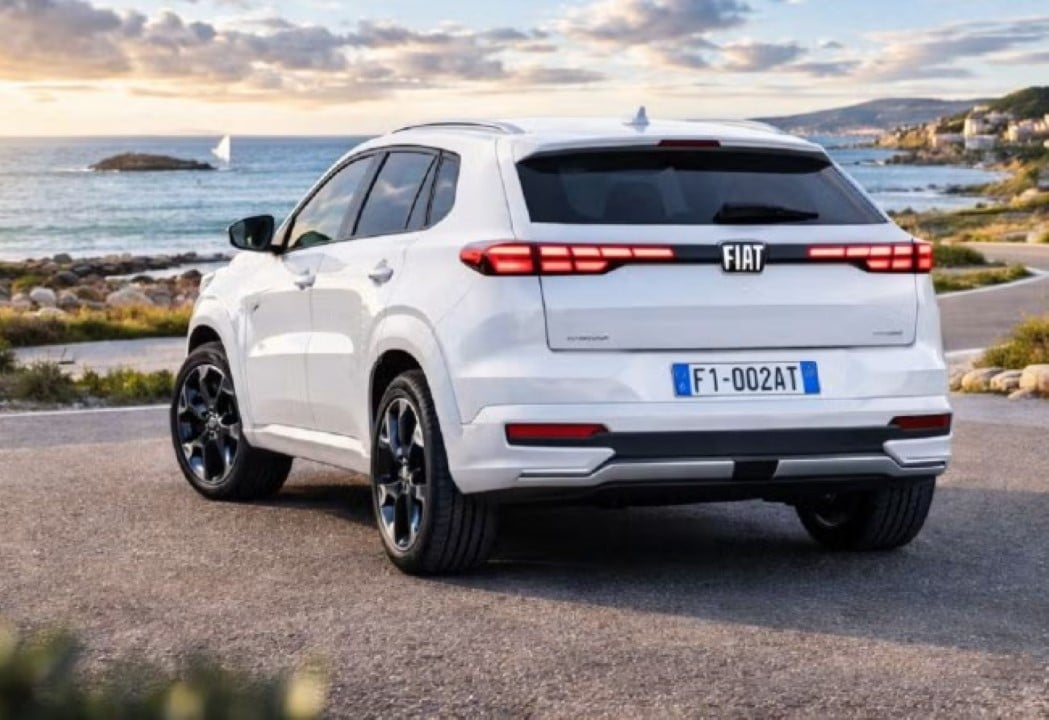
The expansion of Stellantis’s industrial operations in Eastern Europe has reached a new strategic milestone with the recent announcement involving the production facility in Kragujevac. The Italian carmaker, celebrating its 125 years of history, has confirmed that the plant at Sérvia will be the manufacturing center for a new sports utility vehicle. The model, designed to accommodate seven passengers, hits the market with a hybrid engine, reinforcing the brand’s commitment to the energy transition and offering affordable mobility solutions for large families.
This industrial move not only revitalizes the historic Serbian factory, but also positions the unit as a crucial hub in Stellantis’s global strategy for low-cost, high-efficiency vehicles. The choice of Sérvia to produce this new SUV reflects the need to optimize manufacturing costs while maintaining the quality and technology required by the European and international market. The project aims to fill a significant gap in the family car segment, where demand for spacious and economical vehicles continues to grow steadily.

The new model integrates the Stellantis’s global “Smart Car” platform, sharing architecture and components with other vehicles in the group, such as the recent versions of the Citroën C3, Essa industrial synergy allows for a substantial reduction in development and production costs, which should translate into a competitive final price for the consumer. The strategy is clear: to offer a robust, versatile and technologically updated product, capable of competing directly with established rivals in the entry-level segment, such as the Dacia models.
The introduction of this SUV marks a new era for Fiat, as it seeks to consolidate its presence in the larger vehicle market without abandoning its affordable brand identity. The versatility of the new car, combined with the efficiency of hybrid propulsion, promises to attract a diverse audience, from urban families who need extra space to consumers looking for a vehicle capable of tackling long journeys with fuel economy and comfort.
Technical details and efficiency of the hybrid engine
The heart of this new SUV lies in its propulsion system, which adopts 48-volt Mild Hybrid (MHEV) technology. Diferente of the plug-in hybrid systems, which require external recharging, the lightweight 48V system acts as a support for the combustion engine, recovering energy during braking and deceleration to assist with acceleration and in moments of greater torque demand. Essa technology is essential for reducing pollutant emissions and fuel consumption, without drastically increasing the vehicle’s production cost.
Under the hood, the model will be equipped with the well-known 1.2 PureTech engine, widely used in several brands in the Stellantis group. Este thruster has been recalibrated and adapted to work in harmony with the auxiliary electrical system, ensuring smooth and efficient driving. The automatic dual-clutch transmission, integrated with the electric motor, provides quick and imperceptible gear changes, increasing the level of comfort for the driver and passengers.
Energy efficiency is one of the pillars of this launch. With emissions standards becoming more stringent in the Europa and other global markets, the adoption of the mild hybrid system allows the Fiat to offer a large vehicle — with capacity for seven occupants — that meets the required environmental parameters, without the need for large batteries that would make the project more expensive. The balance between performance, economy and cost was meticulously calculated by the brand’s engineering team.
Market strategy and use of LFP batteries
To ensure price competitiveness, Stellantis chose to use lithium iron phosphate (LFP) batteries in the hybrid system of this new SUV. Esta battery chemistry is known to be more economical and durable than traditional nickel and cobalt-based lithium-ion batteries. The choice of LFP cells demonstrates the automaker’s pragmatic approach, focused on delivering durability and safety, while keeping the total cost of ownership low for the end consumer.
The market positioning of the new SUV is aggressive. By offering seven seats in an affordable hybrid package, the Fiat is on a direct collision course with brands that dominate the low-cost segment in the Europa. The proposal is to deliver more technology, Italian design and the reliability of a modern platform for a price that middle-class families can afford. The versatility of the interior, with folding seats and different load configurations, reinforces the model’s utilitarian appeal.
Furthermore, production at Sérvia offers logistical and economic advantages. The region’s qualified workforce and competitive operating costs allow the profit margin to be preserved even with an aggressive sales price. The Kragujevac factory received significant investments to modernize its assembly lines, preparing to meet not only local demand, but also export the vehicle to several international markets where Fiat has a strong presence.
Portfolio renewal and brand future
The launch of this seven-seater SUV is part of a larger plan to renew the Fiat portfolio. The brand is in a process of transformation, seeking to become more global and less dependent on traditional compact models. Expanding into larger, electrified vehicle segments is essential for the long-term sustainability of the business. Este new model serves as a bridge between the brand’s past, focused on small and urban cars, and a future where versatility and electrification are mandatory.
The market’s reception of this new product will be an important barometer for Stellantis’s next steps in the region. If the model is as successful as expected, we are likely to see an expansion of the product line manufactured in Sérvia, consolidating the country as an automotive hub of continental relevance. The combination of functional design, affordable hybrid technology and seating for seven people creates a unique value proposition that has everything it takes to redefine the entry-level family SUV segment.
With production already in the preparation phase and the first models expected to arrive at dealerships soon, expectations are high. Fiat is betting all its money on this project to celebrate its 125 years with a product that looks to the future, respecting the economic needs of the present and the environmental demands of the planet. Sérvia’s new hybrid SUV isn’t just another car; is a declaration of intent from one of the most traditional brands in the automotive world.



