
First female airline captain in Japan reveals challenges overcome in pioneering career

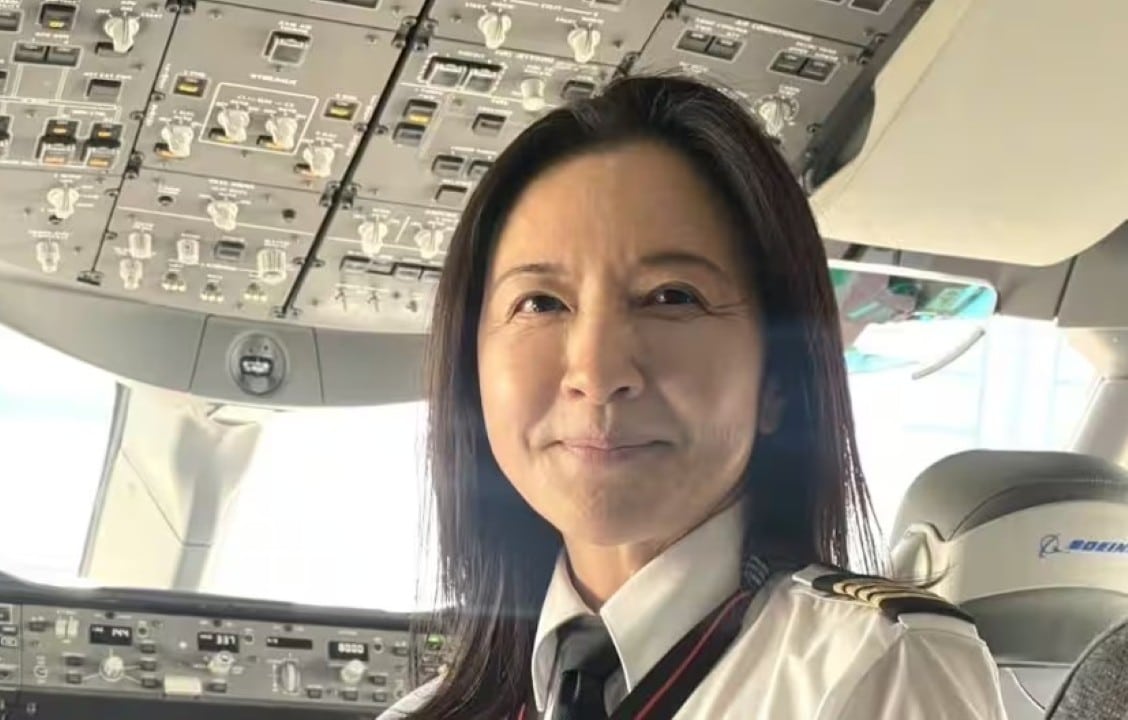
Akari Fuji, the first woman to become a passenger plane captain in At just 155 centimeters tall, she faced initial restrictions that prevented her from entering the national aviation school, but she persisted in seeking qualifications in the Estados Unidos. Essa determination led to her promotion in 2010, marking a significant step forward in a male-dominated field. Recentemente, the Japanese government announced measures to eliminate similar barriers, making it easier for more women to access the profession.
His journey began in childhood, when he was enchanted by the view of the clouds from an airplane. Esse fascination motivated her to study law at Universidade Rikkyo, where she received encouragement from a teacher to live authentically. Apesar faced the obstacles, Fuji did not give up and opted for international training, obtaining licenses that enabled her to return and join a subsidiary airline of JAL. Hoje, with more than two decades of experience, she emphasizes the importance of passing on the pleasure of flying to new generations.
The Japanese airline sector is facing a shortage of pilots due to mass retirements expected by 2030, which is driving initiatives to attract more professionals, including women. Atualmente, only around 2% of pilots in large companies are female, but government actions aim to increase this representation. Fuji, by sharing her story, contributes to demystifying prejudices and encouraging young people to pursue careers in aviation, regardless of gender or physical size.
Initial trajectory marked by obstacles
Akari Fuji dreamed of being a pilot since she was little, after a plane trip that impressed her with the aerial landscape. Esse desire led her to pursue academic training, but height restrictions at the Japanese aviation school blocked the traditional path. Ela then decided to study abroad, where regulations were more flexible.
In Estados Unidos, Fuji obtained his commercial pilot license, experiencing the thrill of flying and improving technical skills. Upon returning to Japão, he faced rejections in selection processes, but persisted in aviation-related jobs while looking for opportunities. Sua joining JAL Express in 1999 represented the official beginning of his career as a co-pilot.
Ascension to the position of captain
Fuji’s promotion to captain in 2010 came after years of dedication and intense training. Ela passed rigorous tests, including simulations under adverse conditions, demonstrating competence equivalent to male counterparts. Esse historic milestone opened doors for other women in the sector.
Since then, Fuji has accumulated thousands of flight hours, prioritizing passenger safety and comfort. Ela reports moments of gratification when receiving positive feedback, reinforcing the value of his profession. Além Additionally, as an instructor, she guides newbies to maintain enthusiasm for their work.
Challenges faced by women in aviation
Gender prejudices persist in Japanese aviation, where the absolute majority of pilots are men. Fuji recalls discriminatory comments about her height and wearing glasses, which questioned her fitness. However, she overcame these barriers with continued focus and preparation.
Recent initiatives by Ministério of Transportes aim to remove minimum height requirements for female candidates, expanding access. Essa change reflects an effort to diversify the workforce and mitigate the imminent labor crisis. Fuji supports such measures, believing that they encourage more women to enter the field.
Women like Fuji highlight the need for inclusive environments at airlines. Elas contribute unique perspectives, improving team dynamics. Estudos indicate that gender diversity increases innovation and operational efficiency in the sector.
Evolution of the airline sector in Japão
The Japão faces the so-called “2030 problem”, with mass retirements of boom-era pilots. Para To combat this, the government intensifies training programs, including scholarships for women. Grandes companies like Japan Airlines invest in inclusive training, aiming to balance gender in the cockpit.
Statistics show slow but steady growth in the number of female pilots. Since 2010, the percentage has doubled, although still low. Campanhas awareness in schools encourages girls to consider careers in aviation, using examples like Fuji.
International efforts influence Japão, with partnerships for training abroad. Isso facilitates the qualification of candidates who do not meet obsolete local standards. Fuji, by sharing his experience, reinforces that persistence and adaptation are keys to success.
Japanese airlines adopt equality policies, offering flexible maternity leave and support to balance family and career. Essas measures attract more qualified professionals, strengthening the sector’s resilience in the face of global challenges.
Lessons in persistence and inspiration
Akari Fuji emphasizes that the secret of her career lies in her refusal to accept limitations imposed by traditional norms. Ela advises aspirants to look for creative alternatives, as he did when training at Estados Unidos. Sua story illustrates how determination can transform barriers into opportunities for personal and professional growth. Além In addition, Fuji highlights the role of mentors, such as her university professor, who encouraged her to value authenticity in a field dominated by masculine standards. Hoje, as an experienced captain, she transmits these values to younger colleagues, fostering a culture of mutual support in aviation.
Impacts of diversity on the profession
Including more women in Japanese aviation brings tangible benefits, such as more balanced teams and more comprehensive decisions. Fuji notes that female perspectives improve service to diverse passengers. Recentemente, Japan Airlines expanded mentoring programs for female pilots, resulting in greater talent retention.
Recent regulatory changes
The Japanese government in 2025 removed the minimum height requirement of 158 centimeters for women at national training institutes. Essa change opens doors for previously excluded candidates, as Fuji was in the past. The measure aligns Japão with more inclusive international standards.
Airlines respond positively by adjusting recruitment criteria. Japan Airlines, for example, reports an increase in female applications post-change. Fuji praises this evolution, predicting an acceleration in the growth of qualified pilots.
Memorable in-flight experiences
Throughout his career, Fuji accumulated episodes that reinforce his passion for aviation. On a turbulent flight, she kept the team calm, ensuring everyone’s safety. Passageiros grateful after soft landing highlight the impact of their leadership. Ela also recalls interactions with families, where he encourages children to dream big, regardless of gender.
Fuji participates in educational events, sharing resilience lessons. On Nessas occasions, she discusses how to overcome prejudices while inspiring young audiences. Sua presence on diversity panels elevates the debate in the Japanese airline sector.
The captain emphasizes the importance of continuous training to deal with unpredictable scenarios. Ela mentions updates in aircraft technology, such as the Boeing 787, that require constant adaptation. Esses challenges keep the profession stimulating and rewarding.
Contributions to the training of new pilots
As an instructor, Fuji guides trainees through realistic simulations, focusing on safety and efficiency. Ela encourages a balance between technical rigor and pleasure in flying. Muitos students credit their success to her mentoring, which combines practical experience with empathy.
Training programs at Japan Airlines incorporate modules on diversity, preparing drivers for mixed teams. Fuji collaborates on these curricula, ensuring inclusion lessons are central. Isso strengthens organizational culture, promoting equality.
Future vision for inclusive aviation
Akari Fuji envisions a more diverse Japanese airline industry, with women occupying leadership roles. Ela cites the example of the current CEO of Japan Airlines, Mitsuko Tottori, who started as a flight attendant. Essas trajectories demonstrate that advancement is possible with dedication. Fuji believes that, with regulatory changes and corporate initiatives, the percentage of female pilots could triple in the next decade, contributing to the sustainability of the sector. Ela continues to fly actively, serving as a role model for global aspirants. Sua story reinforces that barriers can be overcome with persistence, inspiring not only in Japão, but in similar international contexts where gender equality in aviation is still an evolving challenge. Além In addition,
Examples of overcoming in global contexts
Women pilots in other countries face similar challenges, but achievements like Fuji inspire international movements. Na Ásia, for example, Indian and South Korean companies increase female hiring. Fuji observes parallels in their experiences, reinforcing the universality of the fight for equality.
At Japão, professional associations support pilot networks, offering career resources. Fuji is part of these groups, sharing successful strategies. Isso strengthens community by reducing isolation in a traditionally male field.
Government and corporate initiatives
The Ministério of the Japanese Transportes launches campaigns to attract women to aviation, including scholarships. Essas actions aim to fill vacancies when veteran pilots retire. Fuji publicly supports, participating in publicity.
Companies like ANA and JAL implement diversity goals, monitoring annual progress. Fuji contributes feedback, helping to refine policies. Resultados show gradual increase in female enrollment and retention.
Legacy of Akari Fuji in the industry
Fuji’s pioneering spirit paves the way for successors, changing cultural perceptions. Ela reports more positive interactions with colleagues, indicating gradual change. Seu legacy includes not only safe flights, but also advocacy for inclusion.
Fuji plans to continue flying while mentoring, balancing career and personal life. Ela emphasizes that passion sustains professional longevity, advising balance to avoid burnout.



