
Inventory crisis hits Europe and sales of new RTX 50 cards are suspended by distributors


The technology sector in Europa is going through a moment of severe instability with the abrupt interruption in the supply of high-performance components. Grandes distributors, especially at Alemanha, have frozen the sale of the most advanced new generation graphics cards, generating a ripple effect that worries retailers and consumers across the continent. The drastic measure signals deep bottlenecks in the global production chain.
The restrictions directly affect the most robust models in the line, specifically the GeForce RTX 5070 Ti, RTX 5080 and the top of the line RTX 5090 versions, which disappeared from the order lists available for stores. The scenario imposes significant barriers for e-commerce and physical stores, which find themselves unable to replenish stocks in the face of demand that continues to be strong.
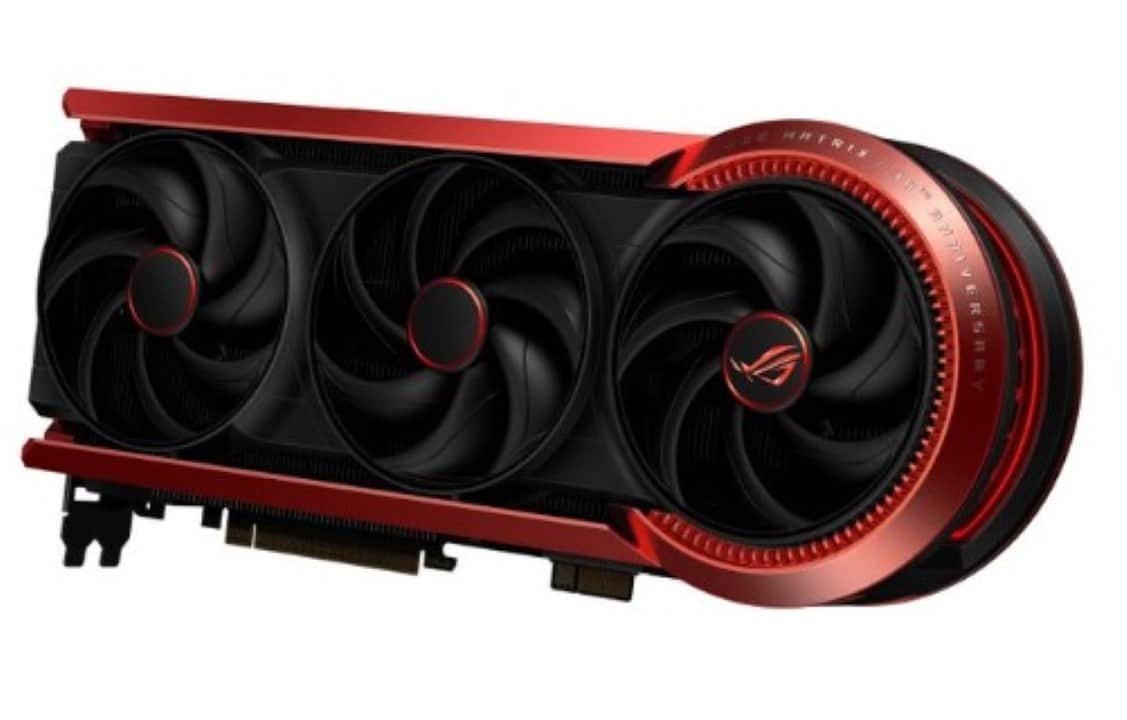
Even models that have not been fully suspended suffer from extreme quantity limitations. The distribution of the GeForce RTX 5070, for example, was rationed to a rigid ceiling of just five units per commercial establishment. Essa minimum quota imposed by suppliers reflects the critical shortage of semiconductors and the logistical difficulty of serving the European market at the beginning of the year.
Financial impact and pressure from artificial intelligence
The physical scarcity of products is already beginning to reflect on market prices, with reports indicating an upward trend in GPU prices starting this month. União Europeia emerges as the first region to absorb the inflationary impact of this supply crisis, creating a challenging environment for assembling new computers.
Analysts point out that the main vector of this crisis is the explosive growth of the artificial intelligence sector, which competes for the same advanced chip manufacturing resources. The prioritization of the production of hardware aimed at AI servers diverted a considerable portion of the production capacity of foundries, reducing the supply of components destined for the gaming and home use segment.
Market estimates suggest that, if the current pace of scarcity and corporate demand continues, models such as the GeForce RTX 5090 could reach exorbitant price levels, reaching figures close to US$5,000 throughout 2026.
Reports of cancellations in German retail
The practical situation faced by retailers was exposed in recent detail, where one retailer shared the frustration of having multiple orders canceled by their suppliers. The justification given was the total unavailability of stock to fulfill the orders placed, forcing the reversal of high-value purchases.
Documents and email exchanges revealed that orders involving models such as the ZOTAC RTX 5070 SOLID and the Gainward RTX 5070 Ti Phoenix were summarily canceled. The distributor officially announced that the 5070 Ti, 5080 and 5090 lines were unavailable for retail sale, with no expectation of normalization in the short term.
The amounts involved in cancellations demonstrate the financial impact for stores, with single orders exceeding the €5,400 mark. Além Furthermore, it was reported that even e-commerce giants, such as Amazon, were imposing severe limits on the number of units that partners can purchase, confirming that the problem is systemic and not isolated.
Internal communication from distributors reinforced that the only viable option at the moment would be the base version of the RTX 5070, still subject to strict rationing. X__NM0____
Competition situation and the AMD market
The difficult scenario is not exclusive to NVIDIA, as competitor AMD is also navigating turbulent waters with its RDNA 4 line. Although the RX 9070 XT card has had a brief restock in some locations, projections indicate that new supply restrictions are imminent for the manufacturer.
The company prepares adjustments to its price list to adapt to the reality of high production costs. The RX 9000 series is expected to face periods of shortages in specific regions, following the global trend of limited supply affecting the entire high-performance hardware ecosystem.
Challenges for the consumer in 2026
For the end consumer and technology enthusiasts, the year 2026 is consolidated as a period of forced adaptation and high costs. Assembling gaming PCs becomes a complex task, requiring constant monitoring of stocks and willingness to pay premiums on launch prices. The instability in supply forces the market to look for alternative solutions, while the semiconductor industry tries to balance the voracious demand for artificial intelligence with the needs of traditional computer retail.



