
Iranian newspapers report death of Ayatollah Ali Khamenei after bombings in the Middle East


Iranian state media reported on the morning of Sunday, March 1, 2026, the death of the country’s supreme leader, Ali Khamenei. The news shook the Oriente Médio region, generating uncertainty about the political and religious future of the Persian nation.
Official publications attributed the death to attacks carried out by Estados Unidos and Israel, detailing the circumstances that led to the tragic outcome. Este critical event takes place at a time of heightened geopolitical tensions in the area.
The announcement precipitated intense discussions about the ayatollah’s succession and the potential ramifications for regional stability. Observadores international organizations are closely following developments, seeking to understand the impact of this confirmation.
The central role of Ali Khamenei
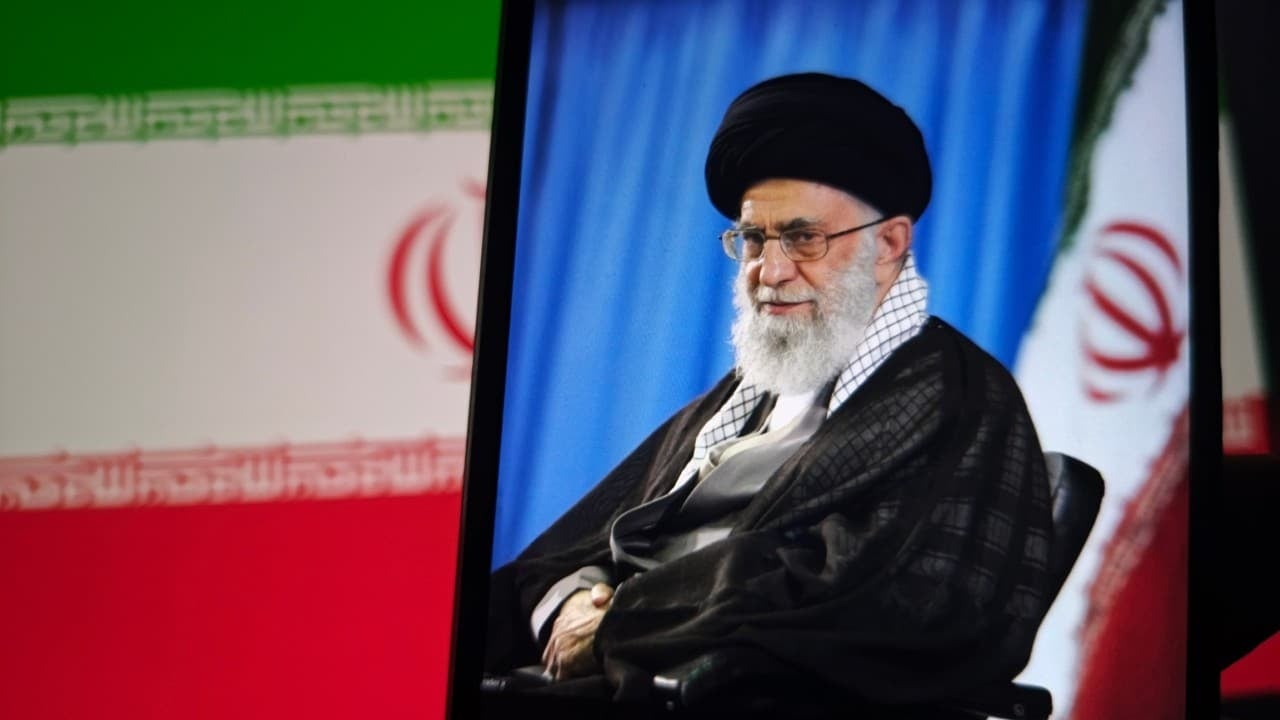
Ali Khamenei assumed supreme leadership of the Irã in 1989, following the death of Ayatollah Ruhollah Khomeini. Durante his extensive period in power, he consolidated a theocracy that profoundly shaped the country’s domestic and foreign policy. Sua figure was seen as the final arbiter in all decisions of great national importance.
The leader was the commander-in-chief of the Forças Armadas, controlled the judicial system and had the final say on nuclear issues and foreign relations. Sua authority was unquestionable within the Iranian power structure, and its absence opens a power vacuum unprecedented in recent decades.
Context of alleged external attacks
Attributing the death to attacks by Estados Unidos and Israel adds a layer of complexity to the situation. Tensions between Irã and these countries have been constant, marked by strong rhetoric, economic sanctions and indirect conflicts on several regional fronts.
In recent years, the region has been the scene of incidents involving attacks on ships, energy infrastructure and military bases, often without clear attribution or with mutual accusations. The confirmation of a direct attack against the supreme leadership, if proven, represents a drastic escalation in the panorama of confrontations.
This scenario intensifies the concern of international analysts, who fear severe retaliation from Teerã. The nature and scope of any Iranian response are still uncertain, but the potential to further destabilize the Oriente Médio is considerable.
The complex succession process
Supreme leader succession in Irã is a carefully orchestrated process, not a direct electoral event. The Iranian Constituição states that the Assembleia of Especialistas, a body of elected clerics, is responsible for selecting the next leader. Esta assembly has the power to elect, supervise and even dismiss the supreme leader.
Assembleia is made up of approximately 88 members and meets annually to discuss important issues, including the selection of a new leader. Criteria for election include religious scholarship, justice, piety, political and social acumen, and courage. Geralmente, there is a shortlist of potential successors that are considered.
The election of a new leader is crucial for the continuity of the Iranian political-religious system. The speed and unanimity of the process can determine the perception of internal stability and the country’s ability to deal with external pressures at such a delicate time. The international community will closely watch the names that emerge as leading candidates.
Candidates and imminent challenges
Among the names frequently mentioned as possible successors are prominent figures from the clerical establishment. Observadores politicians point to individuals who have strong support among Guardas of Revolução Islâmica and within Assembleia of Especialistas itself. Family lineage and proximity to the deceased leader can also influence the choice.
The next leader will face a series of complex challenges. Internamente, the Iranian economy has been dealing with persistent sanctions and social protests. Externamente, tensions with Estados Unidos, Israel and Arábia Saudita, in addition to negotiations over the nuclear program, will require experienced leadership capable of navigating a volatile geopolitical scenario.
Maintaining cohesion between the different political and military factions of the Irã will be essential. Choosing a successor who can unify these forces will be vital to avoid internal splits that could weaken the regime at a time of maximum vulnerability following the death of its supreme leader.
International and regional reactions
The news of Ali Khamenei’s death provoked a wave of reactions in capitals around the world. Diplomatas and heads of state issued statements, some expressing condolences, others caution about next steps. The UN and other international organizations have called for calm and restraint to avoid an escalation of violence in the region.
In Oriente Médio, allies and adversaries of Irã responded in different ways. Enquanto some expressed solidarity, others remained silent or expressed concern about the power vacuum and its consequences for regional security. Uncertainty hangs over the next moves of state and non-state actors involved in conflicts in Síria, Iêmen and Líbano.
Global markets also felt the impact of the news, with oil prices registering significant variations. Instability in the Golfo Pérsico, a crucial route for energy transport, always has economic repercussions on a global scale, and this event was no exception.
The legacy of an era
Ali Khamenei’s legacy will be analyzed by historians and political scientists for years. Sua leadership has gone through periods of great transformation, from the consolidation of Revolução Islâmica to facing modern challenges, such as globalization and the rise of social media.
He was a central figure in maintaining the Irã’s revolutionary identity and projecting its regional influence, often through anti-Western discourse. Sua death marks the end of an era and the beginning of an uncertain chapter for the country and the international political scene.
Next steps and expectations
The next few days will be crucial for Irã. Espera Assembleia of Especialistas is expected to meet quickly to begin the process of selecting a new supreme leader. The agility in the transition will be an indication of the institutional solidity and the system’s capacity to absorb such a significant shock.
Analysts predict a period of great international surveillance over Teerã. Qualquer indication of a turbulent succession or disproportionate retaliation could trigger a crisis of even greater proportions. The global community awaits the development of events with trepidation, hoping that stability will be preserved in the region.



