
Iranian Supreme Leader Ali Khamenei declared dead by Trump; Tehran remains silent amid attacks

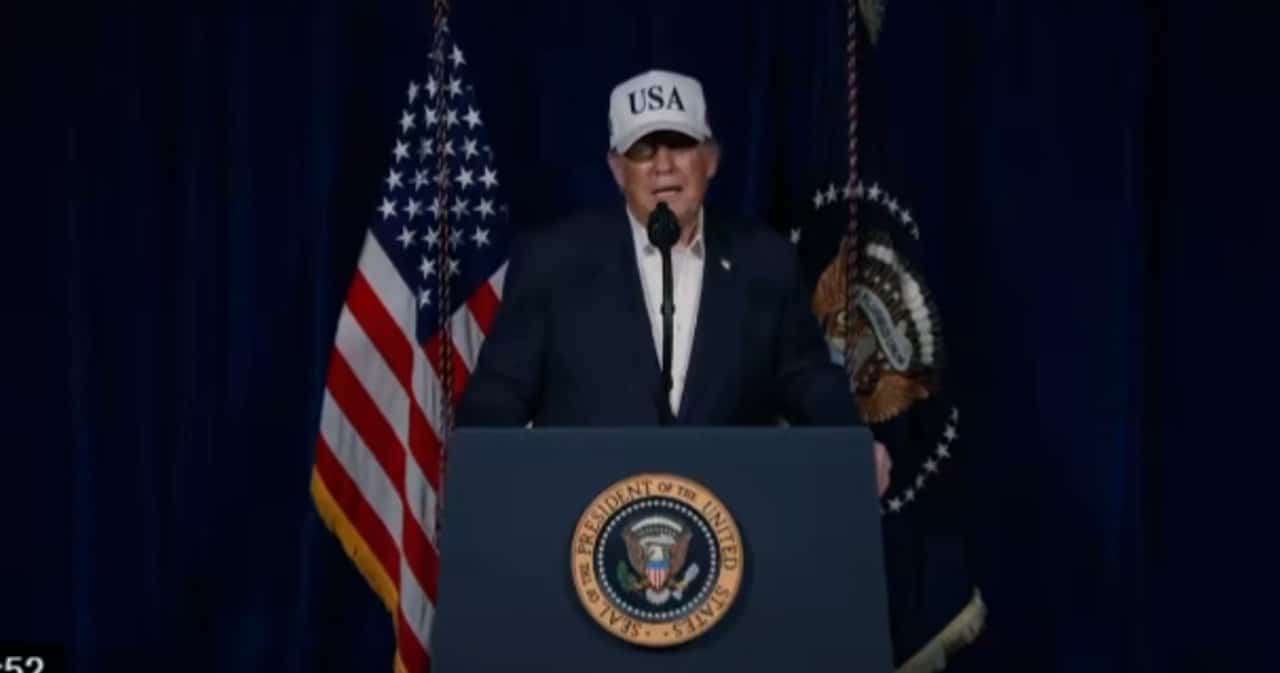
Donald Trump, president of the Estados Unidos, recently declared that Iranian Supreme Leader Ayatollah Ali Khamenei died as a result of a military attack. The statement was released through social media, describing what happened as “the greatest opportunity” for the Iranian people to regain control of the country. The news comes after a series of joint US-Israel aerial bombings that targeted government and military installations within Irã territory.
To date, Irã has not officially commented on the health status of the 86-year-old ayatollah, maintaining silence amid growing regional tension. The absence of official Iranian confirmation adds a layer of uncertainty to an already volatile scenario, as the world watches developments with apprehension.
The joint attacks were reported by Israeli officials to Associated Press, with the initial targets apparently hitting areas close to the supreme leader’s offices. Iranian media, in turn, reported several attacks in different locations across the country, with reports of visible smoke rising over the capital, Teerã.
The declaration of Trump comes at a time of escalating hostilities, with immediate repercussions for global security. The death of a leader of such magnitude, without a previously designated successor, could set precedents for a significant reconfiguration of power in República Islâmica, introducing new dynamics into an already complex Oriente Médio.
Allegation of Trump and the international reaction
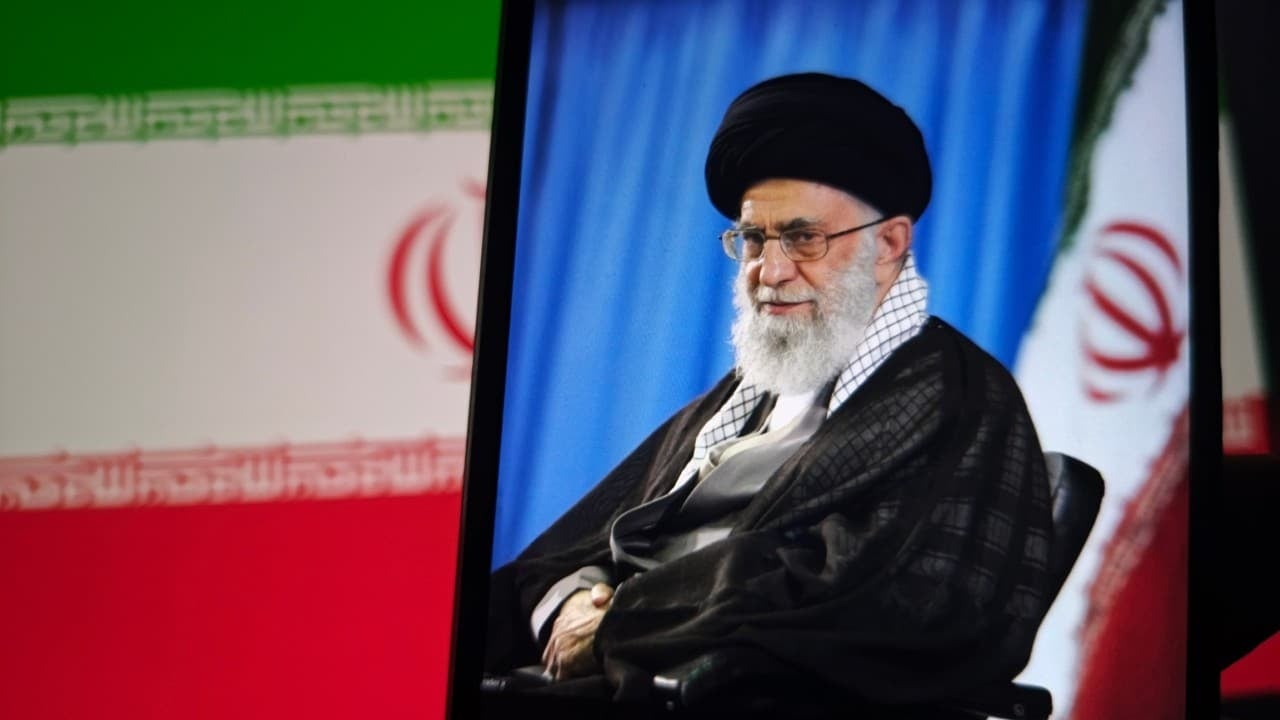
US President Donald Trump used his platforms to characterize Khamenei as “one of the most evil people in history”, emphasizing the Iranian leader’s alleged inability to evade the “highly sophisticated intelligence and tracking systems” of Estados Unidos and The American president’s post highlighted that the joint operation left no alternatives for the Iranian leaders killed in the attack.
At the same time, UN Secretary-General António Guterres made an urgent appeal for an immediate end to hostilities, urging both sides to return to negotiations. At an emergency meeting of Conselho of Segurança, Guterres warned that “everything must be done to avoid further escalation”, indicating the risk of a wider conflict with serious regional and global consequences.
Attacks and counterattacks in the region
Hours after the initial attacks, Irã launched a retaliatory offensive, directing missiles and drones against Israel and strategically located American military bases in the region. Esta Iranian response intensified the cycle of violence, further raising the level of alert and the complexity of the ongoing conflict.
Trump’s justification for military action focused on the continued development of Iran’s nuclear program and plans to develop missiles capable of reaching American territory. Ele also cited a series of historical grievances dating back to the founding of República Islâmica in 1979, presenting the intervention as a necessary measure to counter perceived threats.
Witnesses in Teerã reported to Associated Press that some residents celebrated the news of Ali Khamenei’s death, expressing joy and whistling on public roads. Tais reactions, although limited, suggest the existence of significant internal dissent in relation to the ayatollah’s leadership, even at a time of national crisis.
The Iranian political context and the call of Trump
The death of the second supreme leader of the Irã, a country that did not have a publicly designated successor, casts deep uncertainty over the political stability and future of the government. The absence of a clear succession plan could potentially trigger internal power struggles, impacting the direction of the country in the coming years and Iranian foreign policy.
Donald
Trump’s position suggests a broader strategy to destabilize the current Iranian regime by taking advantage of the power vacuum created by Khamenei’s alleged death. The American president’s rhetoric aims to encourage opposition movements and the reconfiguration of the Iranian political landscape in a way that is more favorable to the interests of the Estados Unidos and their allies.
The history of relations between the US and the Irã is marked by decades of tension and mistrust, intensified by issues such as the Iranian nuclear program, support for proxy groups in the region and opposition to American influence. The current crisis represents a critical point in this long and complex relationship.
Impacto humanitário e a resposta da ONU
The ongoing clashes have had an immediate human cost, as reported by Israeli rescue service Magen David Adom. Estilhaços de um míssil iraniano feriram gravemente um homem na região de Tel Aviv, marcando o primeiro ferimento grave em Israel desde o início da recente escalada de mísseis. Além In addition, ninety people suffered minor injuries, requiring medical attention.
The UN Secretary-General, António Guterres, expressed deep condemnation of the air strikes carried out by the US and Israel, classifying them as violations of the sovereignty and territorial integrity of Irã, as well as international law and Carta of In a tone of equal concern, he also condemned the retaliatory attacks by Irã, which targeted the sovereignty and territorial integrity of Bahrein, Iraque, Jordânia, Kuwait, Catar,
Tension scenario and future perspectives
President Esta stance indicates a strategy of continued pressure aimed at forcing a significant change in Iranian behavior or leadership.
Israel’s ambassador to the UN, Ele emphasized that Israel and the US are acting to prevent an “irreversible and immediate threat”, reaffirming their country’s resolve.
The uncertainty about the future of Irã
The death of Ali Khamenei, even though it has not yet been officially confirmed by the Iranian government, creates a leadership vacuum of enormous proportions. With the absence of a publicly known successor and threats of Iranian retaliation, the region faces the possibility of prolonged conflict and unprecedented instability, affecting the global geopolitical landscape.
Developments of the crisis and repercussions
Trump insisted that the death of Khamenei will not stop the airstrikes, reiterating that the operation will persist until peace and security objectives are achieved. Esta statement signals that the military offensive is part of a long-term strategy, regardless of the fate of the Iranian leadership.
The international community, including the UN’s Conselho, remains on high alert, seeking ways to mediate the situation and avoid an even more dangerous escalation. The complexity of the interests involved and the intransigence of the parties make any diplomatic solution a considerable challenge, with the future of Oriente Médio at stake.



