
Israeli attack would have targeted Ayatollah Khamenei; Iranian supreme leader is still missing

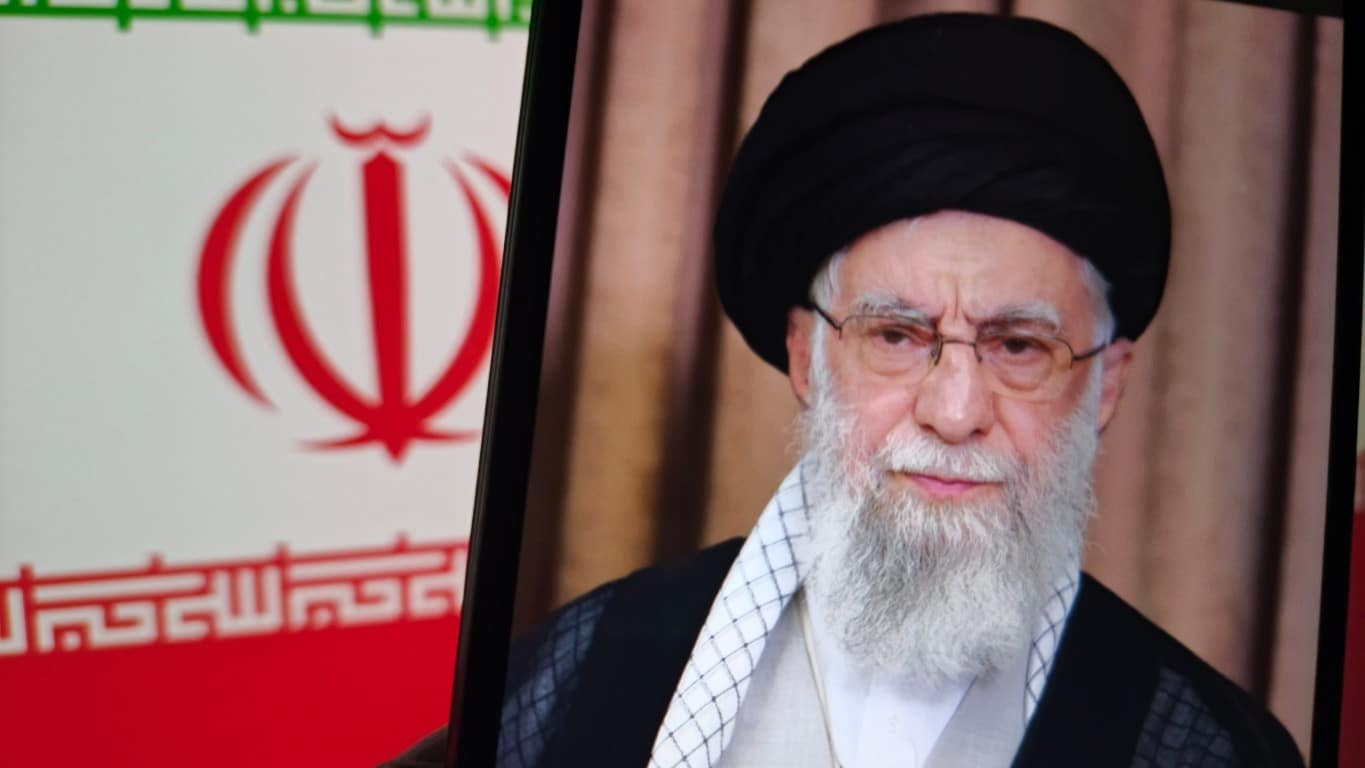
Recent information indicates that Israel targeted Ayatollah Ali Khamenei, supreme leader of Irã, and President Masoud Pezeshkian in an unspecified action. The news emerged on February 28, 2026, immediately generating a climate of uncertainty and high geopolitical tension. The whereabouts of Khamenei, a central figure in the Iranian and regional political scene, remain unknown at this time, intensifying international speculation about the implications of this event.
The Iranian state agency IRNA, in a statement released hours after the first news, sought to calm tempers by stating that President Masoud Pezeshkian is safe. Esta statement was an attempt to mitigate the panic and doubts that could arise with the allegation that the country’s top leadership was the target of an external attack. The president’s safety is a priority, and Irã’s quick response aimed to stabilize internal and external perception.
However, the silence regarding Ali Khamenei and the absence of his public appearance in the days before the alleged attack, and also after, continue to be the focus of attention. The lack of concrete information about its location adds a layer of complexity to the already volatile dynamics at Oriente Médio, with global observers awaiting any developments that might shed light on its situation.
Israeli allegations and the Iranian response

Israel’s claim that Ayatollah Ali Khamenei and President Masoud Pezeshkian were targets of an attack represents a significant escalation in rhetoric and actions between the two countries. Although the results of this operation have not yet been clearly detailed by official sources, the mere mention of such targets suggests a change in confrontation tactics. Confirmation that the attack actually occurred and the extent of its effects are under intense scrutiny.
On the Iranian side, the IRNA agency stood out for its prompt response, confirming the safety of President Pezeshkian. Esta stance aims to discredit part of the Israeli narrative and reaffirm the stability of Irã’s political leadership. The Iranian government’s communications strategy has been crucial in managing public perception and avoiding any apparent power vacuum amid such allegations.
The mystery surrounding Khamenei’s whereabouts
The absence of public appearances by Ayatollah Ali Khamenei is a factor that fuels mystery and concern. Desde February 17, 2026, the date of his last speech in Teerã, the supreme leader has not been seen publicly. Unidentified Fontes, previously cited by news agencies, already indicated that Khamenei would not be in the Iranian capital at the time of the information about the attack. Esta lack of visibility contrasts with your engagement routine.
During the intense attacks that occurred in June 2025 and lasted twelve days, information gathered indicated that Khamenei had been transferred to a safe location, far from the presidential complex in Teerã. Esse historical precedent reinforces the possibility that similar protective measures could have been implemented in the present situation, if he had actually been a target. The security of the supreme leader is a top priority for the Irã security structure, considering its institutional and symbolic role.

Speculation about his health status or possible reorganization of his security team in confidential locations gains strength in the face of official silence. The absence of any direct statement or visual appearance from Khamenei since news of the attack broke fuels the narrative that something significant may have occurred, or that extreme precautionary measures were taken. The Iranian government has a responsibility to manage this information carefully to avoid internal destabilization.
Context of regional tensions
Relations between Israel and Irã have historically been marked by deep enmity and a series of indirect conflicts, often called “shadow wars”. The news that supreme leaders have been targeted raises tensions to an unprecedented level, suggesting a possible deviation from the unwritten rules of military and intelligence engagement in the region. Este incident is not isolated, being part of a scenario of cyber attacks, sabotage and specific military actions attributed to both sides.
The Oriente Médio region remains a cauldron of conflict, with various state and non-state actors involved in disputes for influence and security. Incidents involving high-ranking political leaders can have repercussions that go beyond the borders of the countries directly involved, affecting the stability of neighboring nations and the global balance of power. World powers are watching closely, worried about the possibility of further escalation.
The confrontation strategy between Israel and Irã involves a complex web of alliances and oppositions. Enquanto o Irã supports groups such as the Hezbollah in the Líbano, the Hamas in the Faixa of Este recent episode adds a new dimension to this rivalry, with far-reaching implications for regional and international security. The international community has expressed increasing concern about the volatility of the situation.
The global community, in turn, monitors the situation with increased attention. Qualquer action aimed at achieving maximum leadership in a country can trigger a disproportionate response, with unpredictable impacts on global trade, energy markets and collective security. The need for diplomacy and communication channels to prevent escalation is more pressing than ever. Líderes international groups have spoken out in favor of de-escalation.
Implications of an attack on supreme leadership
Targeting figures of such prominence as Ayatollah Ali Khamenei would represent a high-risk act, with the potential to trigger a large-scale military response. The implications of such action would be severe, potentially leading to direct retaliation and open conflict that would spread throughout the entire Oriente Médio region. Este scenario is the worst nightmare for diplomats and security analysts, as the nature of the conflict would drastically change from a proxy war to a direct confrontation. Iranian security doctrine is based on a robust response to any aggression against its symbols of power.
In addition to the military repercussions, there would be a profound impact on the internal politics of the Irã. The figure of Khamenei transcends the role of mere head of state, being the maximum religious and political authority, which makes any attack on him an act perceived as an affront to the nation and the revolution. Isso could unite different Iranian political factions in a common front against the aggressor, mobilizing the population and strengthening the regime in a time of crisis. The transition of power, in the event of the eventual absence of Khamenei, would follow a specific constitutional rite, but would certainly be marked by great political instability and uncertainty, both internally and externally.
Repercussions and calls for calm
News of the alleged attack and the unknown whereabouts of Ali Khamenei provoked a wave of international reactions, with calls for moderation and de-escalation. Organizações as well as Organização of the Nações Unidas (UN) issued statements expressing concern about the growing volatility in the region and the need for all parties involved to exercise maximum restraint. The international community seeks to prevent tensions from escalating into a major conflict, which would affect global peace and security. Diplomatas from different nations intensified their efforts to dialogue with those involved, seeking communication channels that can assist in containment and the search for peaceful solutions.
Security measures and history
The Irã maintains a robust security apparatus to protect its leaders and critical infrastructure. Após the attacks of June 2025, there was an even greater reinforcement of these measures, aiming to protect figures such as Ayatollah Khamenei and President Pezeshkian from any threats, whether external or internal. The management of information on the security of leaders is treated with the highest level of secrecy, reflecting the strategic importance of its protection for the stability of the Iranian state.



