
Lack of components leads Toyota to recommend alternative models to avoid loss of global sales

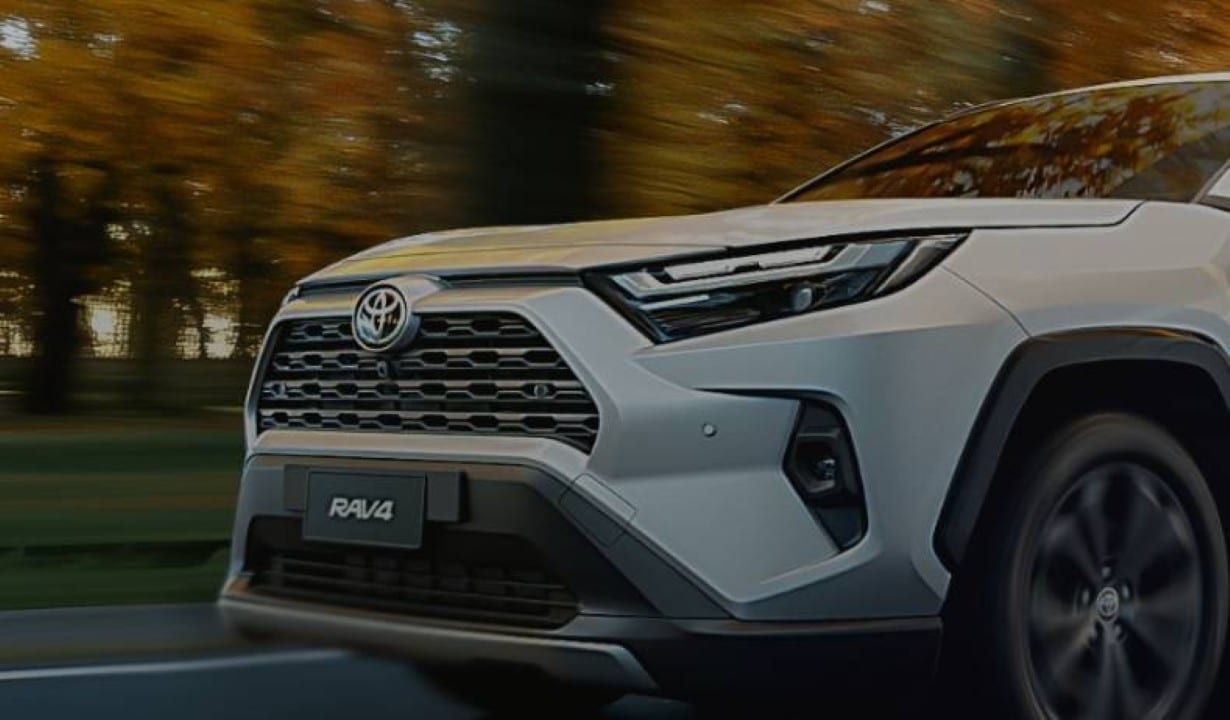
The global auto industry faces a complex new chapter in its supply chain, directly affecting the delivery schedule of highly anticipated vehicles for model year 2026. Despite persistent bottlenecks in the production of key electronic components and high-voltage batteries, the Japanese auto giant has implemented an emergency commercial strategy to mitigate the impact on end consumers. The measure aims to contain dissatisfaction caused by long waiting lines and ensure that sales volume remains stable even in the face of manufacturing adversities.
To overcome the lack of immediate availability of its most popular global SUV, which is undergoing a generation update, the automaker instructed its dealer network to offer replacement options that are already in stock or have standardized production cycles. The central guideline is to redirect buyer interest towards vehicles that share the same technological architecture and energy efficiency, preventing customers from migrating to competing brands due to frustration with extended deadlines. Essa logistical maneuver highlights the flexibility required to operate in a market that is still sensitive to semiconductor volatility.
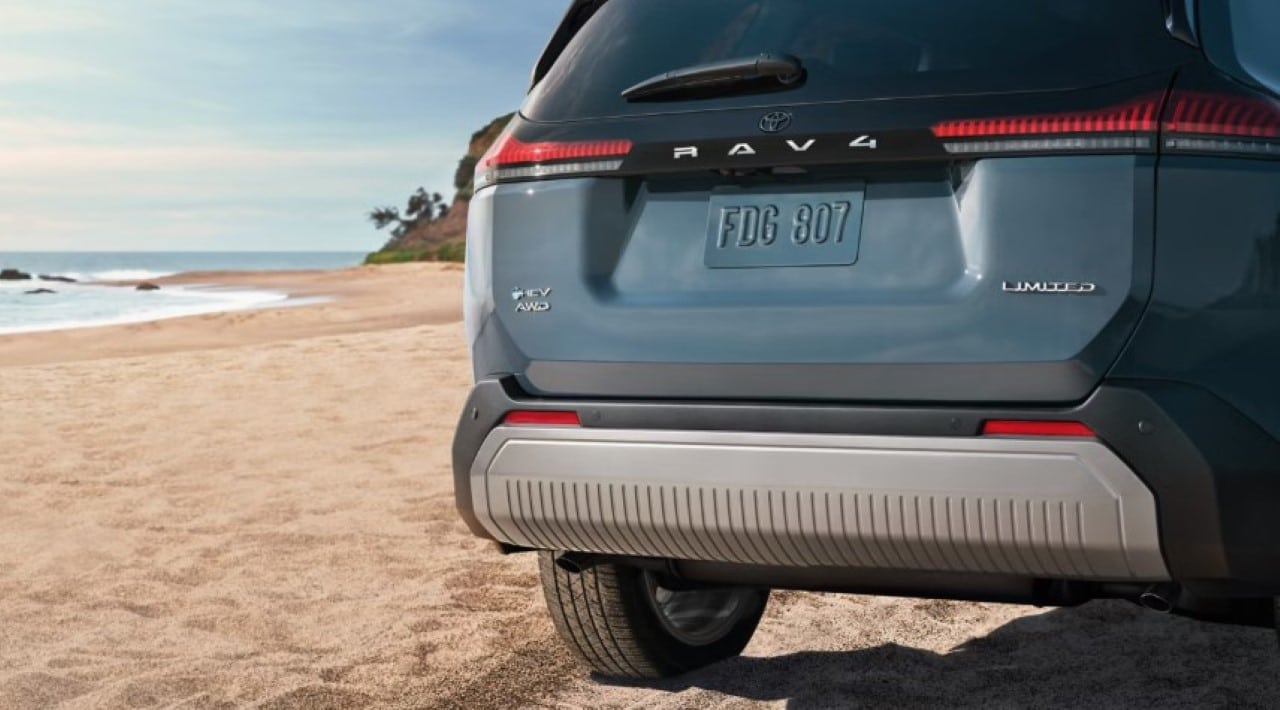
The focus of the operation is on demonstrating the qualities of other products in the portfolio which, although they belong to slightly different segments, deliver the electrification experience sought by the public. The action is not just a logistical response, but a movement to retain loyalty in a scenario where demand for hybrid vehicles exceeds the industry’s immediate supply capacity.
Challenges in the supply chain and production
The root of the problem lies in the increasing complexity of modern vehicles, which require a significantly greater number of microchips and advanced battery cells to support new hybrid systems. The 2026 model of the SUV in question, designed to raise standards of autonomy and connectivity, depends on specific components that currently face global supply constraints. Diferente of previous generations, the reliance on integrated infotainment systems and active safety assistants makes final assembly vulnerable to any disruption in the flow of high-tech parts.
Industry experts point out that the complete normalization of assembly lines for this specific model should only occur in the second half of the year, requiring immediate palliative solutions. The integration of smart energy management systems and a shortage of battery raw materials have created a bottleneck that disproportionately affects newer launches, while more mature lines are able to maintain a more predictable manufacturing pace. Production engineering works to approve alternative suppliers, but the process requires rigorous quality tests that prevent a sudden acceleration of supply.
Strategic alternatives for the consumer
Within the contingency plan, the Corolla Cross appears as the main alternative suggested by the sales teams, positioning itself as a viable option for those looking for a sports utility vehicle without facing indefinite queues. The model shares several mechanical components and the brand’s hybrid propulsion philosophy, offering a smooth transition for customers who prioritize fuel economy and mechanical reliability. The immediate availability of this vehicle has become a commercial asset, allowing dealerships to complete sales that would otherwise be suspended on waiting lists.
In addition to the SUV segment, the Camry sedan was also included in the range of suggestions for customer profiles that value comfort and superior technology, even if this means changing body category. The strategy relies on the sophistication of the sedan and its robust powertrain to convince buyers who, initially, were looking for the height and size of a utility vehicle. By presenting these options, the brand reinforces that hybrid technology and safety, pillars of the purchasing decision, are present and accessible without the need to wait for production of the 2026 model to be regularized.
Transparent communication about the technical capabilities of alternative models aims to assure the customer that the change does not represent a downgrade, but an intelligent adaptation to the current scenario. Vendedores were trained to highlight the strengths of Corolla Cross and Camry, emphasizing prompt delivery as a crucial competitive differentiator at a time where market impatience can dictate the direction of quarterly sales.
Maintaining competitiveness in the market
The automaker’s move reflects an acute concern about the advancement of direct competitors, such as Honda and South Korean manufacturers, who could capitalize on the unavailability of the Japanese SUV. In a market where brand loyalty is constantly tested, leaving a customer without a purchase option is opening up space for them to try rival products, something the company seeks to avoid at all costs. The active offer of substitutes keeps the consumer within the brand’s ecosystem, ensuring the chain’s cash flow and maintaining market share in key segments.
Market analysts note that this internal substitution tactic also serves to balance stocks of models that, although popular, could suffer from internal cannibalization in the face of a major launch. By leveling demand between the new SUV, the Corolla Cross and the Camry, the company optimizes its distribution logistics and ensures that no production line is idle while another is overloaded. Essa dynamic portfolio management is essential for navigating the economic and logistical uncertainties that still permeate the global automotive industry.
The scenario reinforces the importance of a diversified portfolio, where the existence of multiple models with shared technologies serves as a buffer against specific supply crises. The expectation is that, with the gradual adjustment of the supply chain, production of the 2026 model will reach planned levels, but until then, the sales force will continue to focus on converting the desire for the new into concrete sales of available models.



