
Mourning on television: Dennis Carvalho dies at age 78 and leaves a historic mark on national dramaturgy

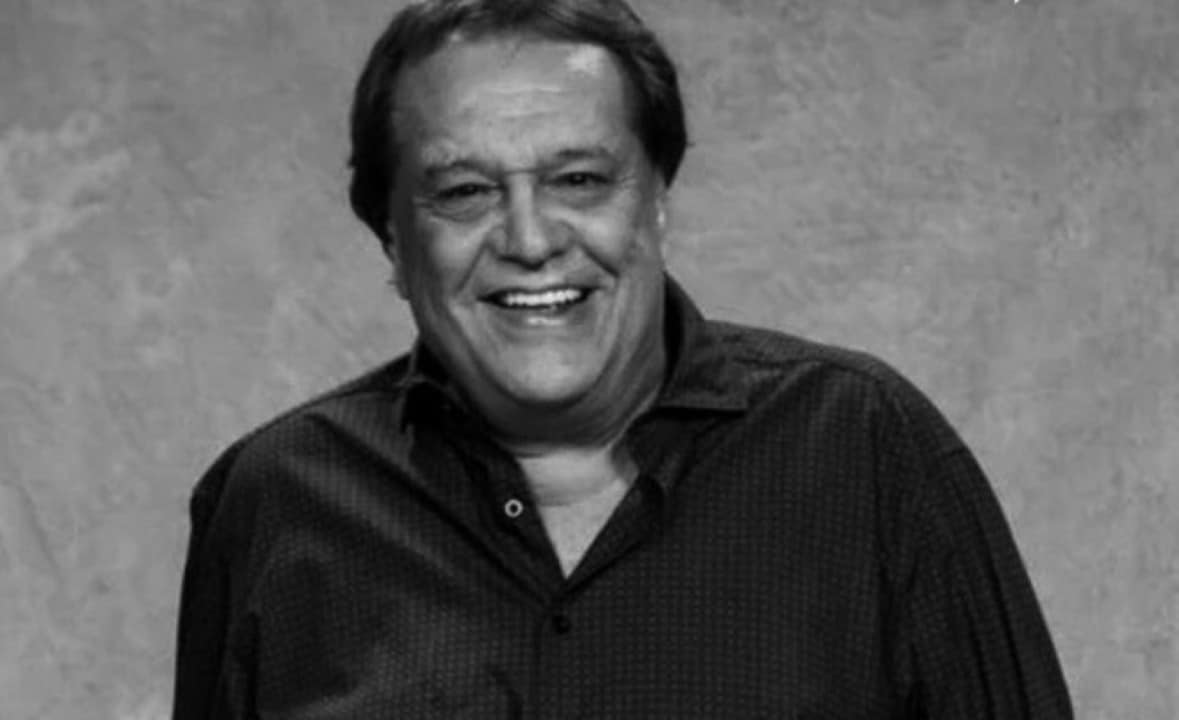
Brazilian culture is facing a moment of deep sadness with the confirmation of the death of one of its greatest artistic icons. The director and actor, a central figure in the consolidation of television drama in the country, passed away at the age of 78. Ele was under medical care at Hospital Copa Star, located in Copacabana, in the south zone of Rio of Janeiro, where he received specialized assistance before the incident.
Until the closing of this edition, the family and the press office did not disclose specific details about the cause of death, maintaining the focus on the privacy of loved ones in this moment of pain. The news immediately reverberated behind the scenes on television and among the public, generating a wave of commotion on social media and in artistic circles, where he was revered as a master of visual storytelling.
The artist’s trajectory is intertwined with the history of television itself in Brasil, covering more than five decades of uninterrupted dedication. Sua ability to move between acting and directing allowed him to develop a holistic view of audiovisual production, raising the quality standard of national soap operas and series to international levels of recognition.

The visionary who redefined soap operas
Starting his career in the 1960s as an actor, it was in directing that he found his true calling, becoming one of the most respected names in the sector. Conhecido through perfectionism and the unique ability to extract the best from his casts, he transformed scripts into audience and critical phenomena. Sua signature was synonymous with excellence, and his productions often guided public debate in the country.
The 1970s were crucial for his professional consolidation. With works that captured the spirit of the time, he introduced aesthetic and narrative innovations that shaped the language of TV. The soap opera “Dancin’
His genius lay in his ability to innovate without losing connection with the popular public. Ele understood the dynamics of open television like few others, balancing complex plots with agile and modern direction. Esse talent for anticipating trends has ensured that his work has remained relevant and influential through the decades, adapting to technological and social changes.
Great successes and cultural legacy
The portfolio left by the director is vast and includes some of the greatest classics in television drama. Sua direction was fundamental to the success of productions that are today considered cultural heritage of Brasil. Entre the highlights of his career, some works deserve special mention for their historical repercussion:
– Roque Santeiro (1985): An audience phenomenon that stopped the country, mixing political satire and fantastic realism.
– Vale Tudo (1988): Reconhecida for sharp social criticism and unforgettable characters.
– Explode Coração (1995): Inovadora when addressing gypsy culture and the beginning of the internet era.
– Celebridade (2003): A dive into the world of fame and celebrity journalism.
– Paraíso Tropical (2007): Elogiada for the urban plot and outstanding performances.
In addition to dense dramas, he also demonstrated versatility in comedies and series. In “Cheias de Charme” (2012), he once again proved his capacity for reinvention, directing a plot that integrated television with the internet and music, winning over a new generation of viewers and breaking engagement records.
The importance of acting and recent years
Although directing occupied most of his professional life, his experience as an actor was fundamental to his working method. Ele understood the anxieties and needs of the performers, creating a set environment that favored creativity and emotional delivery. Essa empathy made him a beloved figure among colleagues, who often described him as a generous mentor.
In recent years, its presence in daily productions has diminished, giving way to consultancy and one-off projects, but its influence has remained intact. Ele continued to be a reference for quality and professionalism, a “north” for new directors and authors who sought to understand the essence of good Brazilian television.
The legacy he left behind transcends audience statistics. Suas works educated, entertained and provoked reflection in millions of Brazilians. His death ends a glorious chapter of national art, but his work will remain alive, serving as a school for future generations of artists and filmmakers.
Repercussion and farewell
The artistic community awaits information about the wake and burial, which should bring together great names in national culture for the last tributes. The expectation is for a farewell worthy of his contribution to Brazilian art, celebrating not only the professional, but the passionate human being who dedicated his life to telling stories.
His absence leaves a gap that is difficult to fill in the entertainment industry. However, the memory of his talent, technical rigor and passion for art will continue to inspire all those who believe in the transformative power of television and culture.



