
New configuration of the Honda ZR-V debuts fully hybrid system and off-road-oriented aesthetics

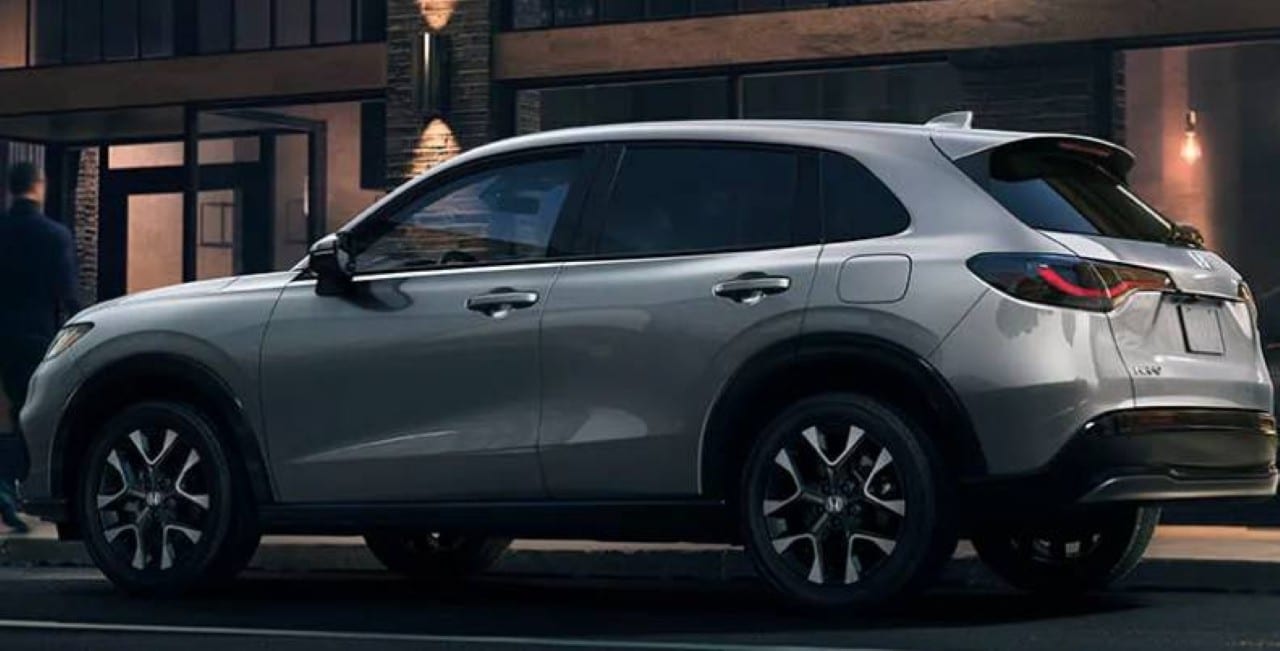
Honda officialized an important restructuring for the ZR-V sports utility vehicle in the Japanese market, consolidating the brand’s electrification strategy in the Ásia. The model will now be offered exclusively with an electrified engine, abandoning the purely combustion versions in favor of the e:HEV set across the entire range available at dealerships.
Reservations for the new portfolio have already begun, with the physical arrival of the vehicles scheduled for the end of March. The decision to make the SUV 100% hybrid meets local demands for energy efficiency and reduced emissions, aligning the product with the strict environmental standards in force in the country.
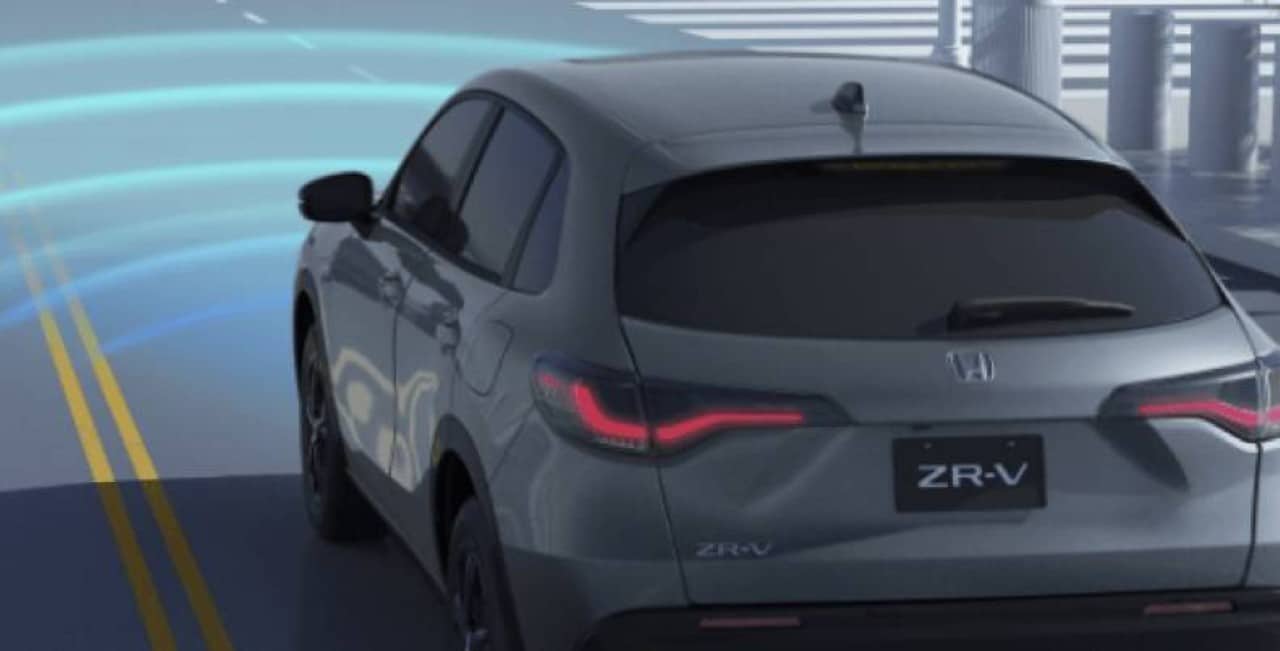
The highlight of the update is the introduction of the Cross Touring version, developed to attract consumers looking for a more robust look without giving up urban comfort. Esta specific configuration receives exclusive aesthetic elements that differentiate the car from other options in the line, reinforcing the adventurous character of the project.
Among the main visual changes to the special edition is the replacement of the front grille with a honeycomb-shaped structure, which gives greater aggressiveness to the front design. The bumper also received a different treatment, complementing the set that aims to convey greater solidity and presence on the streets.
Mechanical assembly specifications
The heart of the new ZR-V is the e:HEV hybrid system, which integrates a 2.0-liter gasoline engine with a high-performance electric powertrain. The combustion engine delivers 141 horsepower, while the electric unit is capable of generating 184 horsepower, providing vigorous acceleration and immediate throttle response.
The transmission used is the eCVT, calibrated to manage the alternation between engines in a way that is imperceptible to the driver. The system prioritizes electric traction at low speeds and urban traffic situations, activating the thermal engine only when greater power is needed or to recharge the batteries, guaranteeing consumption averages higher than those of conventional vehicles.
Finishing and design details
The Cross Touring version features matte black details to accentuate the off-road proposal, including lower protectors and moldings on the wheel arches. The 18-inch alloy wheels follow the same dark shade, creating an interesting contrast with the body color options and reinforcing the sporty identity of the utility vehicle.
For consumers who prefer a more urban and sophisticated aesthetic, the automaker maintained variants such as the Black Style. Esta option replaces matte finishes with glossy black elements, offering a design alternative that focuses on elegance and discretion, expanding the range of profiles served by the model.
Technology and comfort on board
The interior of the vehicle received special attention in the new vintage, with the adventurous version adopting light leather coverings with vibrant orange stitching. The steering wheel also follows the visual pattern, incorporating details in the same color to create a cohesive and modern interior environment, which moves away from the sobriety of the entry-level versions.
The list of standard equipment includes essential comfort items for the segment, such as heated front and rear seats, ideal for regions with cold climates. The infotainment system is controlled by a 9-inch screen, compatible with the main smartphone mirroring platforms and integrated into the Honda Connect for remote vehicle management.
The Honda Sensing safety package remains one of the pillars of the project, offering active driving assistants. Recursos such as automatic emergency braking, adaptive cruise control and lane keeping assistant guarantee additional protection for occupants and pedestrians, keeping the SUV competitive in terms of onboard technology.
Market scenario and competition
The positioning of the ZR-V puts the model in direct competition with other hybrid midsize SUVs, with the Toyota Corolla Cross as its main rival in the Asian and global market. The focus on exclusive hybrid powertrains seeks to capture a market share that is increasingly aware of energy efficiency and long-term ownership costs.
Although the updates are initially focused on the Japão, the changes signal trends that can be adopted in other markets where the model is sold. No Brasil, the utility maintains its price in the range of R$214,500 for the top-of-the-line version, and the arrival of new visual or mechanical configurations will depend on the brand’s strategy for the region in the coming cycles.



