
Porsche changes strategy and new seven-seater SUV will have V8 engines and Audi Q9 platform

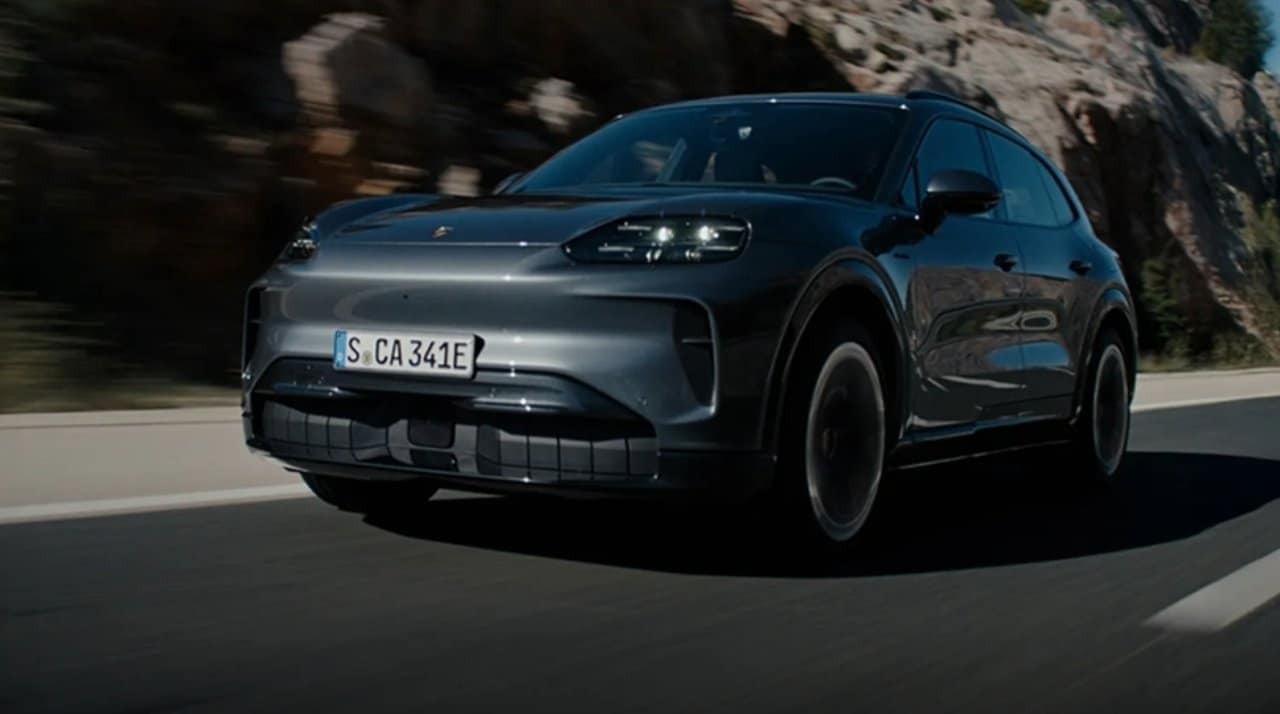
Porsche redefined the guidelines for the launch of its largest sports utility vehicle, the K1 project, moving away from the original idea of an exclusively electric offering. The vehicle, designed to accommodate seven occupants with a high level of luxury, will now have versions equipped with internal combustion engines, using the same mechanical base developed for the future Audi Q9.
Engineering and motorization adjustments
The technical decision involves adopting the Premium Platform Combustion (PPC) architecture of the Grupo Volkswagen. Esta structural change allows the model to receive 3.0-liter V6 and 4.0-liter V8 engines, both twin-turbo, guaranteeing the performance expected for the high-luxury segment.
Initial estimates indicate that power should vary between 350 hp in entry-level versions and exceed the 700 hp mark in the most robust configurations. The new strategy also includes state-of-the-art plug-in hybrid systems, combining energy efficiency and extended autonomy.
Market factors and positioning
The project review responds directly to the consumption behavior observed in key regions for the brand, such as China and Estados Unidos. Nestes locations, demand for large gasoline-powered SUVs remains solid, exceeding initial projections of a full transition to electricity in this specific niche.
By maintaining combustion options, the German manufacturer ensures competitiveness against direct rivals such as the BMW X7 and the Mercedes-Benz GLS. The focus remains on delivering a sporting experience, characteristic of the brand, even in a large chassis.
Schedule and competition details
The commercial launch of the K1 is scheduled for 2028, following the schedule of the Audi Q9, which should hit the market a year earlier. Prototype tests are already underway to validate the integration of the new powertrains into the vehicle dynamics.
Main confirmed specifications of the project:
- Configurable internal capacity for four, five or seven passengers.
- Use of the PPC platform shared with Audi to reduce costs.
- Maintenance of the design with fluid lines and low ceiling, despite the size.
- Focus on executive luxury higher than the current Cayenne.



