
Samsung points to the artificial intelligence sector as responsible for the increase in cell phone costs

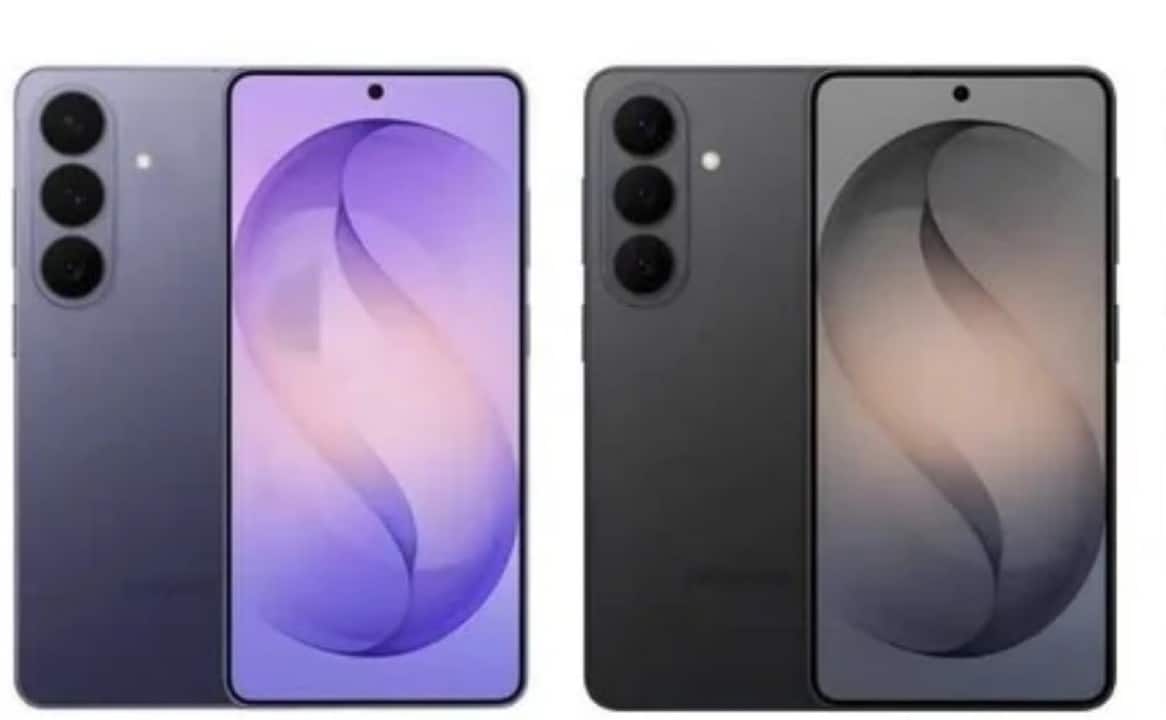
The global race to develop advanced computing infrastructures has created a significant bottleneck in the semiconductor supply chain, directly impacting the final cost of consumer electronics. Executivos from the South Korean giant clarified that the massive demand for components aimed at data centers created a shortage of memory chips, forcing a strategic adjustment in the pricing of its latest generation of smartphones to balance industrial production costs.
This imbalance scenario resulted in specific increases for the Brazilian market, mainly affecting models with greater internal storage capacity.

The company adopted a selective transfer of these additional costs, seeking to minimize the impact on entry-level versions while applying necessary corrections to the premium variants of the new line.
Adjustments and values in the Brazilian market
The base model of the Galaxy S26 arrived at national retail, maintaining the price of R$7,499 for the 256 GB version, demonstrating the brand’s effort to maintain the entry barrier. Contudo, the 512 GB variation increased, being priced at R$9,099, a direct reflection of the greater quantity of scarce components required for its manufacture.
The S26 Plus version was the one that felt the most relevant impact within the family of devices, with the 512 GB configuration reaching the R$10,799 mark. Esse value represents an increase of R$1,300 compared to its direct predecessor, signaling where the pressure on the supply chain was most intense.
In a different strategy for the ultra premium segment, the S26 Ultra model had its 256 GB version launched for R$ 11,499. Curiosamente, this price is R$500 below the previous generation, indicating an attempt to maintain competitiveness at the top of the line despite logistical adversities.
Demand pressure for components
The exponential growth of artificial intelligence platforms requires massive amounts of DRAM memory, leading critical manufacturers like SK Hynix and Micron to prioritize contracts with server providers. Essa change in industrial focus has drastically reduced the availability of inputs for mobile devices, increasing material costs by up to 30% since the end of last year.
Industry projections suggest that this contraction in supply will continue to affect the sector, with estimates pointing to a 12.9% drop in global smartphone shipments. Relatórios of partner companies, such as Qualcomm, have already warned about the AI industry’s voracious appetite for semiconductors, limiting the stock available for assembling cell phones.
Technical specifications of the new generation
The standard device features a 6.3-inch Dynamic AMOLED 2X display and is powered by the Exynos 2600 processor, working with 12GB of RAM to ensure fluidity. The photographic set remains robust with a 50 MP main sensor, accompanied by a 4,300 mAh battery compatible with 25W charging.
The Plus version expands the display to 6.7 inches with QHD+ resolution and increases the energy capacity to 4,900 mAh, supporting faster 45W charging. Ambos models share connectivity features as the Wi-Fi 7 and promise extensive software support, with updates guaranteed for seven years.
The Ultra model stands out with the Snapdragon 8 Elite Gen 5 chip and a 200 MP main camera, in addition to offering options of up to 1 TB of storage. Sua 5,000 mAh battery and improved vapor chamber cooling system aim to serve users who demand high performance for games and video editing.
The One UI 8.5, based on Android 16, optimizes multitasking capabilities on all devices, while dimensions and weights have been adjusted to maintain ergonomics even as internal hardware evolves.
Standardization perspectives
Market analysts indicate that the components crisis could extend until 2027, depending on the speed with which new factories come into operation to meet the dual demands of AI and end consumers. Enquanto the market seeks stability, companies diversify suppliers and invest in internal production to mitigate risks.
In Brasil, despite the adjustments, the availability of long financing and the migration of consumers to variants with more memory help to sustain sales. The expectation is that the average price of cell phones in the country will rise by around 15% throughout the year, following the global trend of technological increases.



