
Trump confirms death of Ali Khamenei, Iran’s supreme leader, in airstrike


The president of the Estados Unidos, Donald Trump, officially announced the neutralization of the supreme leader of the Irã during a coordinated action with Israeli forces. The operation took place on the morning of February 28 and directly targeted the command complex where the Iranian leadership was located. Informações from US intelligence confirmed that the main target did not withstand the structural impacts of the bombing carried out in the capital.
Simultaneous explosions were reported at strategic points in Teerã, Isfahan and Qom, marking one of the largest military offensives in the region in recent decades. The attack was justified by Casa Branca as a necessary measure in the face of ongoing threats to the nuclear landscape and the financing of hostile groups in Oriente Médio. Confirmation of death ends a cycle of almost forty years of command by the main religious and political authority in the Persian country.
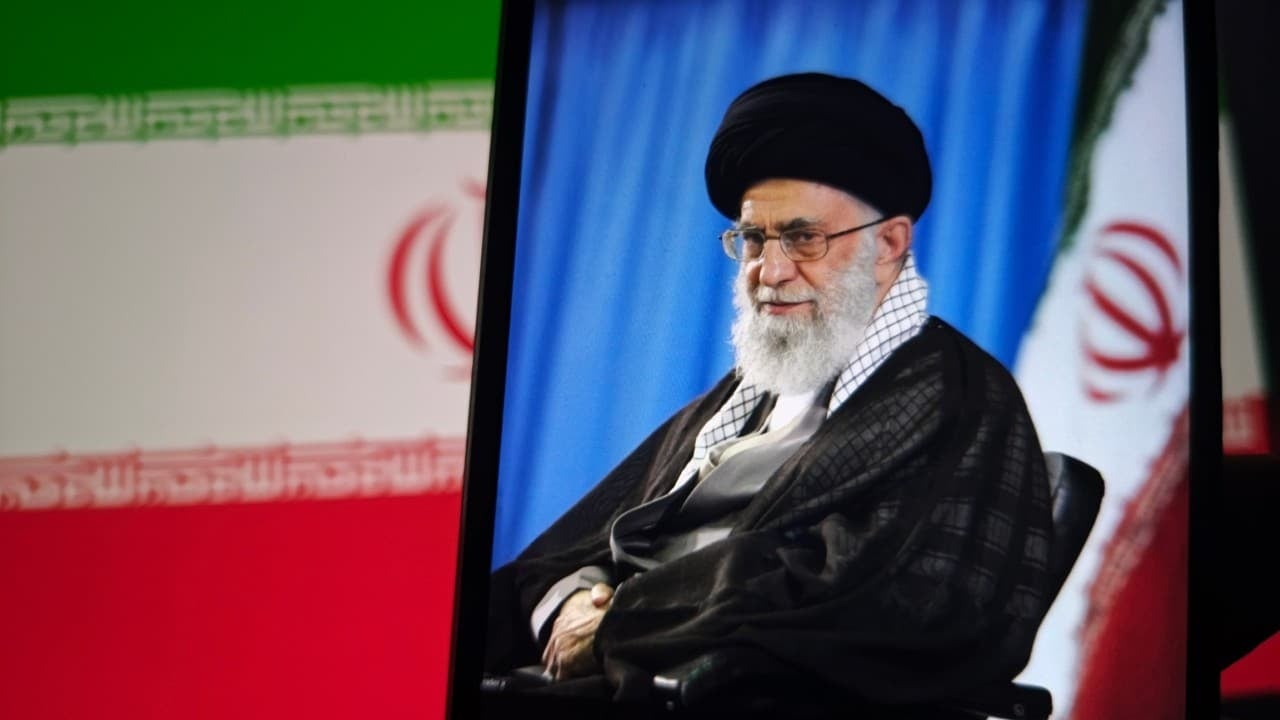
Authorities from Israel corroborated the data presented by Washington, classifying the mission as a high-precision tactical success. Prime Minister Benjamin Netanyahu highlighted that the command infrastructure of Iranian forces has suffered irreparable damage. Prolonged silence from official Iranian government channels in the first hours after the attack strengthened intelligence reports about the immediate power vacuum.
Drones and missiles departed from naval bases in Golfo Pérsico and from Israeli installations promptly at 8 am local time. The strategy focused on neutralizing anti-aircraft defenses and reaching deep underground bunkers, used by the regime’s top brass. Relatos from the field indicate that advanced tracking technology made it possible to locate the supreme leader’s exact refuge, minimizing the offensive’s margin for error.
Military escalation and regional response
US military bases located in Bahrein and Catar were targeted by ballistic missile fire in an almost immediate retaliation by the remaining Iranian forces. The Estados Unidos defense system intercepted most of the projectiles, and the Pentágono confirmed that there were no casualties among its soldiers. The response, although quick, caused limited structural damage and failed to breach the security perimeter of Allied installations.
The Estreito of Ormuz was closed preventively, interrupting one of the most vital commercial routes on the planet and generating maximum alert in international shipping. Tension in the area led neighboring countries to mobilize their border defenses, fearing the conflict would spread to neutral territories. The closure of airspace over Irã forced aviation companies to divert routes, creating a logistical bottleneck in the connection between Europa and Ásia.
Dubai and Abu Dhabi activated emergency sirens and used interception systems to neutralize aerial threats, ensuring the safety of their urban centers. Guarda Revolucionária claimed responsibility for the retaliatory shots, describing them as a legitimate defense of national sovereignty. Apesar the aggressiveness of the response, military analysts assess that the offensive capability of the Irã was severely degraded by the initial attacks.
Impacts on the global economy
Financial markets reacted with extreme volatility to the confirmation of the death of Khamenei and the naval blockade of Oriente Médio. The price of a barrel of oil soared 15% on commodity exchanges, reflecting fears of imminent shortages. Nações that rely heavily on energy imports from Golfo, such as Japão and Índia, have initiated crisis protocols to guarantee supply.
Maritime logistics companies have suspended operations in the region or drastically increased insurance premiums for ships transiting risk areas. Uncertainty over the length of the lockdown in Ormuz puts pressure on global supply chains, with the risk of inflation in petroleum products. Bolsas, Ásia and Europa closed lower, awaiting diplomatic or military developments.
The economic collapse of Irã could accelerate with the destruction of infrastructure and the total isolation imposed by the new circumstances. The country’s oil exports, which had already fallen by 40% in the last two years due to sanctions, are now facing total paralysis. The scenario depicts an internal humanitarian crisis worsened by the lack of resources and political instability.
Political trajectory and legacy
Ali Khamenei assumed the role of supreme leader in 1989, succeeding Ruhollah Khomeini and consolidating the theocratic regime established by Revolução Islâmica. Sua management was marked by strict control of state institutions, the judiciary and the armed forces, in addition to a stance of permanent confrontation with the Ocidente. Durante its mandate, the Irã expanded its regional influence by supporting militias in the Líbano, Gaza, and Iêmen.
Popular protests have challenged his authority on several occasions, especially in 2019, 2022 and most recently in 2025, all of which were repressed with state violence. The refusal to promote democratic reforms and the insistence on the nuclear program resulted in sanctions that strangled the Iranian economy for decades. Sua death leaves a legacy of internal polarization and diplomatic isolation of the country on the world stage.
Succession in power is now the central issue, with Assembleia of Especialistas tasked with naming the next leader amid the chaos. Mojtaba Khamenei, son of the late leader, is often cited as a possible political heir, but faces internal resistance and the instability of the moment. The leadership vacuum can open space for both even greater radicalization and attempts at change by reformist wings.
International diplomatic repercussions
União Europeia leaders issued statements calling for caution and de-escalation to avoid a major open war. Rússia strongly condemned the operation, classifying it as a violation of Iranian sovereignty and a risk to global security. China, in turn, maintained a stance of public neutrality, focusing on the need for stability in energy trade.
Saudi Saudita and Emirados Árabes Unidos expressed discreet support for military action, aligning themselves with security interests against common regional threats. Organização of Nações Unidas called an emergency meeting of Conselho of Segurança to discuss the situation. Organizações humanitarian organizations warn of the growing number of civilian casualties and the urgent need for safe corridors for medical care.



