
Trump confirms death of Ali Khamenei, Iran’s supreme leader, in bombing

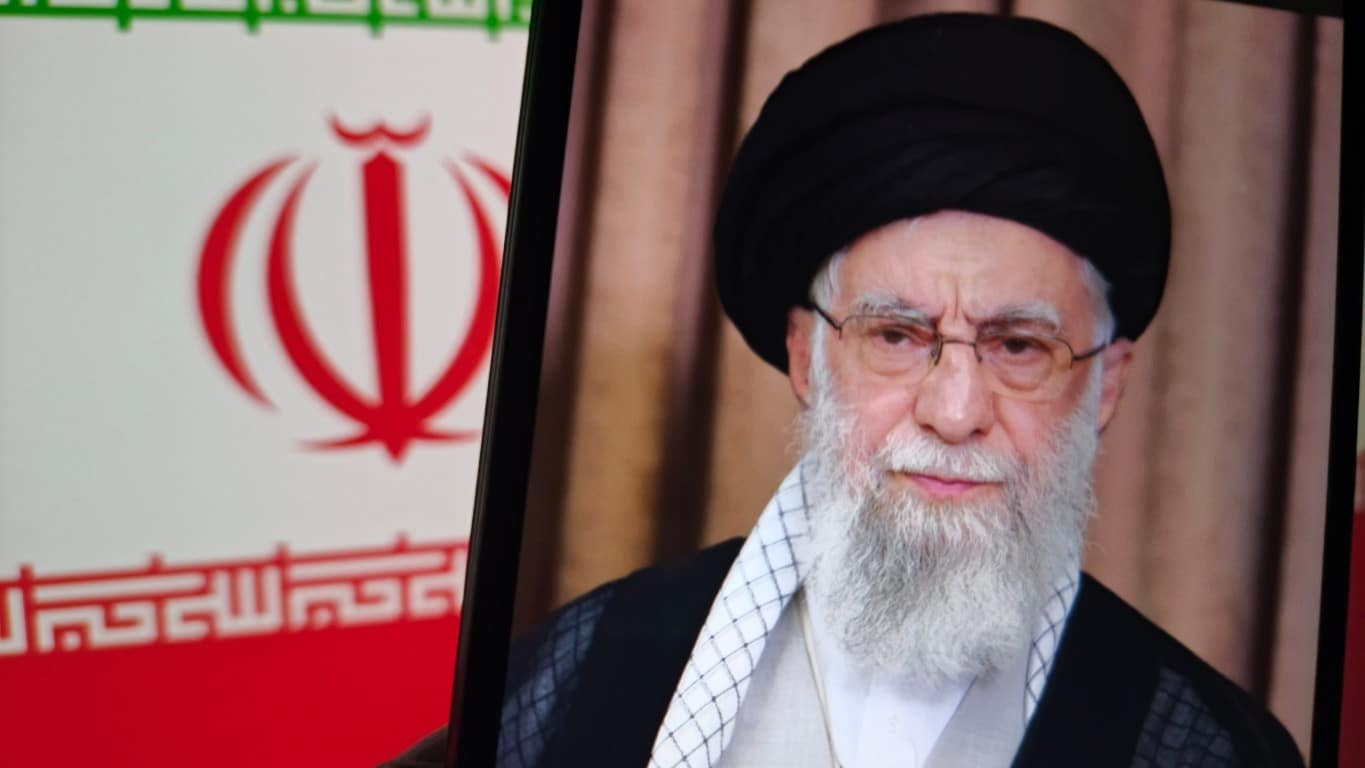
The president of the Estados Unidos, Donald Trump, confirmed this Saturday the death of the supreme leader of the Irã, Ali Khamenei, during a joint military operation with Israel. The attack took place on the morning of February 28, 2026, Teerã local time, and targeted strategic installations in the Iranian capital. Khamenei, who had commanded the country for almost four decades, did not survive the impacts of the bombing, according to American intelligence. The action was motivated by persistent threats to Iran’s nuclear program and support for extremist groups in the region.
Explosions were recorded in multiple cities, including Teerã, Isfahan and Qom, resulting in hundreds of civilian and military casualties. The Iranian government initially denied the reports, but subsequent silence amplified global speculation. Trump used social media to announce the fact, highlighting that the operation represented justice for victims of actions attributed to the regime. Israel corroborated the details, with Prime Minister Benjamin Netanyahu emphasizing the weakening of Iranian forces.
In immediate response, Irã launched missiles at American bases in Oriente Médio, affecting countries such as Bahrein and Catar. Nenhum US soldier was injured, according to an official statement from Washington. Iranian retaliation caused minimal damage but intensified regional tension. The Estreito of Ormuz was closed for safety, impacting oil trade routes.
Details of the military operation
The offensive began at 8am local time on Teerã, with drones and missiles launched from Israeli bases and American ships on Golfo Pérsico. Alvos included Guarda Revolucionária complexes and underground nuclear facilities. Relatos indicate that the bunker where Khamenei took refuge was directly hit, destroying central command structures.
Joint intelligence had been monitoring the leader’s movements for months, using advanced technology for precise tracking. Coordination between the US and Israel avoided significant collateral errors, although local reports mention impacts to nearby residential areas.
Biography and legacy of Khamenei
Ali Khamenei was born in 1939 in Mashhad, a holy city for Shiites, into a humble and religious family. Ele grew up during the monarchy of Shah Reza Pahlavi, a period in which Irã maintained alliances with Ocidente. Sua youth was marked by opposition to the regime, leading to arrests and brief exile before Revolução Islâmica 1979.
After the revolution led by Ruhollah Khomeini, Khamenei quickly rose in power. Ele served as president between 1981 and 1989, surviving an attack that paralyzed his right hand. Como supreme leader since 1989, he has accumulated absolute authority over foreign policy, armed forces and government decisions.
His tenure was characterized by internal repression and external hostility. Khamenei denied democratic reforms and supported groups like Hezbollah and Hamas. Sanções international issues have worsened the Iranian economy, with high inflation and rising unemployment in recent years.
The regime’s popularity declined with massive protests in 2019 and 2022, which were violently repressed. Recent Manifestações, in 2025, resulted in thousands of deaths, intensifying the global isolation of Irã.
International reactions to the announcement
Golfo countries, such as Arábia Saudita and Emirados Árabes Unidos, have expressed muted support for the operation, citing regional threats. União Europeia called for restraint to avoid escalation, while Rússia condemned the attacks as a violation of sovereignty. China maintained neutrality, prioritizing stability in energy trade.
Humanitarian organizations reported 201 deaths and 747 injuries on Irã, with calls for safe corridors. The UN called an emergency meeting to discuss implications for global security.
Immediate economic impacts
The closing of Estreito from Ormuz increased oil prices by 15% on international exchanges. Países dependent on Iranian exports, such as Índia and Japão, face shortage risks. Mercados financial institutions reacted with volatility, with falls in Asian and European indices.
Energy companies diversify sources, while insurers adjust premiums for shipping routes. Analistas predict a gradual recovery if tension eases in the coming days.
Irã, already under sanctions, could face additional economic collapse. Exportações oil prices have fallen 40% in the last two years, worsening budget deficits.
Details of Iranian retaliation
The Irã fired ballistic missiles at American bases in seven Oriente Médio countries. Ataques struck structures in Bahrein, causing damage to residential buildings and one confirmed death. Sistemas Israeli defense forces intercepted most of the projectiles aimed at their territory.
Explosions were reported at Dubai and Abu Dhabi, with successful interceptions by Emirados. Na Síria, a missile caused four deaths in a civil building. The Catar and Kuwait activated alerts, but no casualties were reported.
Guarda Revolucionária claimed the releases as a legitimate response. Forças Americans reported minimal damage and no casualties.
Historical context of tensions
Relations between Irã and the US have deteriorated since Revolução Islâmica, with Irã labeling the Americans as “great Satan”. Khamenei maintained hostility, rejecting direct negotiations and supporting anti-Western militias. Ataques by proxy, as well as against Israeli interests, they perpetuated the cycle of violence.
In 2025, previous bombings by US and Israel destroyed nuclear facilities, intensifying sanctions. Protestos insiders weakened the regime, creating an opportunity for the current operation. Netanyahu called on the Iranian population to rise up against the government, promising external support.
Iran’s nuclear program, begun in the 1980s, has faced global opposition. Acordos like the 2015 JCPOA were abandoned by Trump in his first term, leading to accelerated uranium enrichment. Relatórios from the IAEA indicate worrying advances, justifying military interventions.
Khamenei survived cancer in 2014 and bombings, but recent security measures have failed. Seu’s potential successor, Mojtaba Khamenei, faces uncertainty amid the chaos.
Expanded security measures
Western governments raised terrorism alerts following the announcement. Embaixadas in Oriente Médio reinforced protocols, with partial evacuations in Teerã. Companhias airlines suspended flights over Iranian airspace, redirecting routes.
Neighboring countries, such as Iraque and Jordânia, monitor borders for refugee influxes. Agências intelligence alerts to possible retaliatory cyberattacks by Irã.
Perspectives for the post-Khamenei Irã
The death of Khamenei creates a power vacuum in the Iranian theocracy. Assembleia of Especialistas must name a successor, but internal divisions could prolong the process. Reformistas see opportunity for change, while conservatives seek continuity.
Protesters in Teerã celebrated early rumors, with reports of celebrations in the streets. Forças security forces dispersed groups, but instability persists. Trump offered immunity to members of Guarda Revolucionária who defected, encouraging defections.
The Iranian economy, with low reserves, depends on limited exports. Ajuda international can be conditioned on democratic reforms.
Evolution of the recent conflict
In June 2025, initial strikes by the US and Israel targeted nuclear targets, killing Guarda commanders. The Irã retaliated with drones, but without full escalation. Negociações mediated by Omã failed, leading to the current operation.
Trump prioritized diplomacy, but warned about the use of force. Khamenei warned against regional war, but statements did not dissuade action.
Humanitarian consequences
Organizations report destruction in schools and gyms in the south of Irã, with 100 civilian deaths. Acesso doctor is limited in affected areas. Apelos for humanitarian ceasefires gain strength.
Children and women make up the majority of victims, according to Crescente Vermelho. Ajuda international is blocked by persistent sanctions.
Military strategies employed
The operation used Tomahawk precision missiles and Israeli F-35 fighters. Alvos were selected based on satellites and local informants. Defesas Iranian anti-aircraft guns failed to intercept most.
Israel destroyed missile launchers, reducing retaliatory capabilities. US maintains ships at Golfo for ongoing support.
Implications for regional stability
The Oriente Médio faces the risk of expanded conflict, with Irã allies like the Hezbollah on alert. Israel prepares defenses against possible attacks from Líbano. Países of Golfo strengthen alliances with the USA.
Diplomacy may emerge if Irã signals negotiations. Trump expressed optimism for peace, conditional on denuclearization.



