
Trump confirms the death of Ali Khamenei in a strategic attack by the US and Israel,

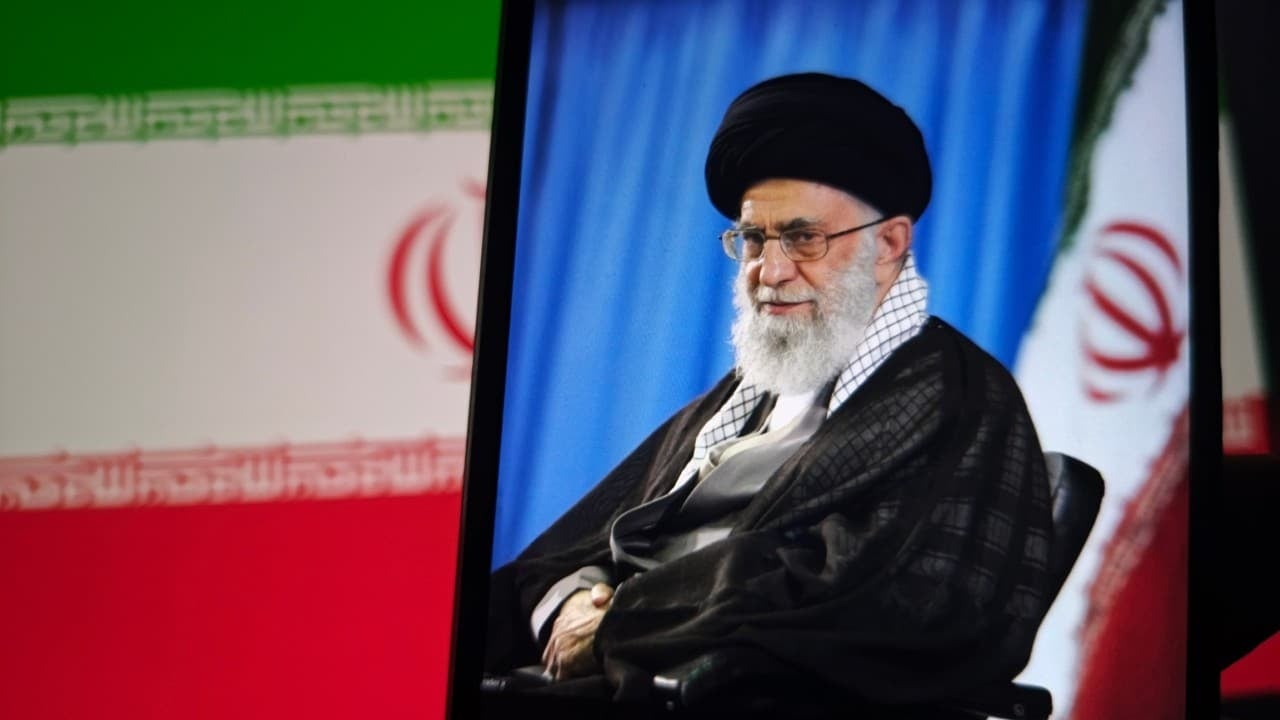
The president of the Estados Unidos, Donald Trump, made official this Saturday the elimination of Ali Khamenei, supreme leader of the Irã, during an offensive coordinated with Israeli forces. The operation, carried out on the morning of February 28, 2026 local time, reached critical points of command in Teerã and resulted in the fall of the president who had governed the country for almost four decades, according to information confirmed by US intelligence. Military action was justified by Casa Branca as a necessary response to ongoing threats to the nuclear program and the financing of hostile groups in the region.
Operation details and official confirmation
The offensive began at 8 am in Teerã, using a combination of high-tech drones and missiles launched from Israeli bases and US fleet ships positioned in Golfo Pérsico. The main target was a fortified bunker where Khamenei was located, resulting in the complete destruction of the underground command structures. Benjamin Netanyahu, Prime Minister of Israel, corroborated the details of the mission, emphasizing that the action significantly weakens the operational capacity of Iranian forces.

Multiple explosions were recorded in strategic cities such as Isfahan and Qom, in addition to the capital, generating an unknown number of victims among military personnel and civilians. The Iranian government remained silent in the first few hours, which increased international speculation until confirmation via social media by the American president. Allied intelligence had been monitoring the supreme leader’s steps for months, waiting for the right moment to execute the attack with surgical precision.
Despite the technology used to minimize collateral damage, local reports indicate that residential areas close to the Guarda Revolucionária complexes suffered direct impacts. The scenario in the Iranian capital is one of instability, with intense military movements and communication blockages.
Economic repercussions and route blocking
The confirmation of Khamenei’s death provoked immediate reactions in global financial markets and energy transport logistics. The preventive closure of Estreito and Ormuz for safety reasons interrupted one of the world’s main oil flow arteries. The effects were felt instantly on the stock markets:
– The price of a barrel of oil shot up 15% in international negotiations shortly after the announcement.
– Índices Asian and European markets traded sharply lower due to uncertainty about energy supply.
– Seguradoras maritime companies suspended coverage for ships transiting the Golfo region.
Countries highly dependent on the region’s exports, such as Japão and Índia, have already articulated contingency plans to avoid shortages. Analistas market forecasts that volatility is likely to persist until the extent of the conflict is fully understood.
Iranian counteroffensive and regional defense
In a quick response to the bombing, Iranian forces launched a series of ballistic missiles against bases used by the Estados Unidos in the Oriente Médio. The projectiles hit structures in Bahrein and Catar, causing material damage and raising the alert level throughout the Arabian peninsula. Washington declared that, despite the aggressiveness of the attack, no American military personnel were injured during the retaliation.
The air defense systems of Israel and Emirados Árabes Unidos intercepted most of the vectors launched against their territories. Em Dubai and Abu Dhabi, residents reported booms in the sky resulting from the successful interceptions. Guarda Revolucionária claimed responsibility for the shooting, classifying them as a legitimate defense of national sovereignty.
Power vacuum and political scenario
The death of Ali Khamenei, born in 1939 and a central figure in Iranian politics since Revolução Islâmica, creates a scenario of uncertainty regarding the succession in the country. Assembleia of Especialistas faces the challenge of appointing a new leader amid internal divisions and external pressure. Mojtaba Khamenei, son of the late leader, is named as a possible successor, but faces resistance within the theocracy itself and on the streets.
The regime had already been facing internal wear and tear, with recurring popular protests since 2022 and an economic crisis worsened by international sanctions. High inflation and unemployment have undermined the government’s support base, and the elimination of the top leadership could trigger new waves of demonstrations for reforms or, conversely, an even greater tightening of state control.
World leaders urge caution to avoid an escalation that involves other powers in the war. The UN called an emergency meeting of Conselho of Segurança to discuss measures to guarantee regional stability and the protection of civilians amid open conflict.



