
War updates: Dollar, Ali Khamenei dead, conflict between Israel and Iran, Trump and investments


An unexpected statement by the former president of Estados Unidos, Donald Trump, confirming the death of Aiatolá Ali Khamenei, supreme leader of Irã, triggered a scenario of unprecedented uncertainty and volatility in global financial and geopolitical markets.
The news, which has been circulating since the end of the week, sets the stage for a turbulent Monday, with projections of a strong impact on the dollar, the main international currencies, stock markets and, crucially, oil and gasoline prices.
Experts point out that the Oriente Médio region, already fragile, could plunge into an open conflict, especially with the mention of attacks on countries like Abu Dhabi, in the Emirados Árabes Unidos, and the escalation of tensions between Israel and Irã.
Initial reactions in global markets
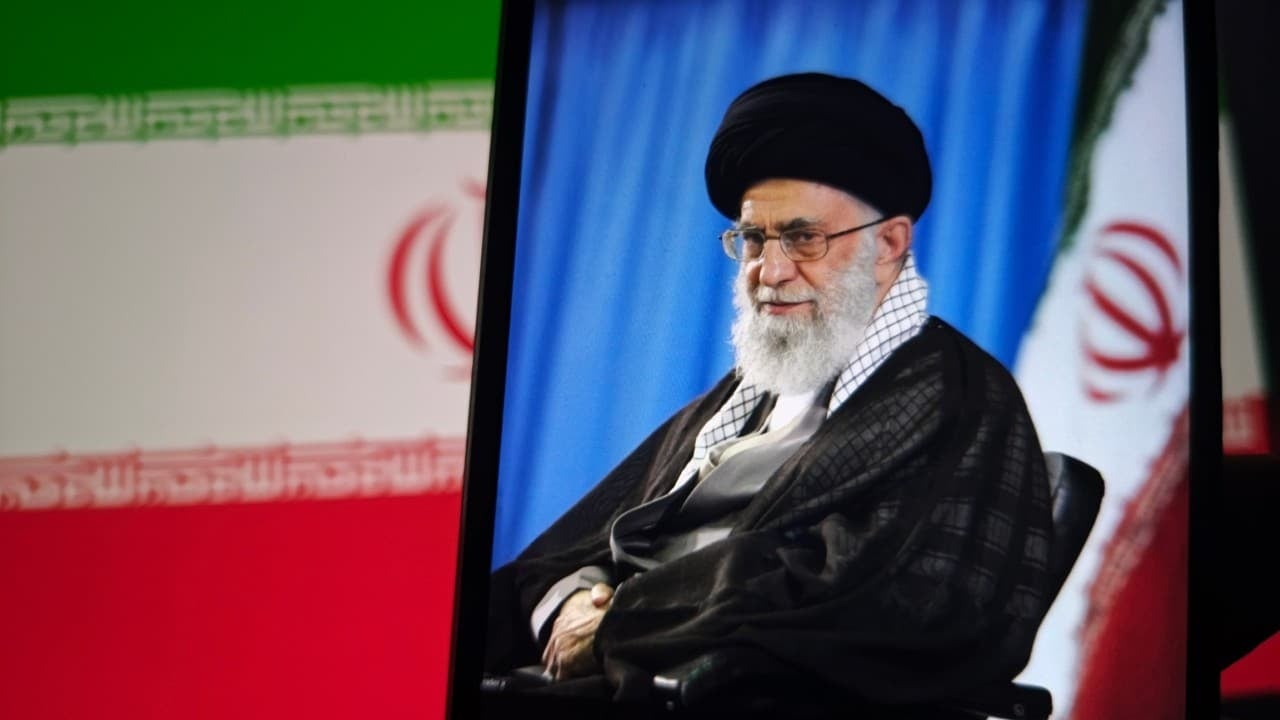
The perception of geopolitical risk rose dramatically following the announcement of the Iranian leader’s death. Investidores reacted with an immediate search for assets considered safe, a traditional movement in times of great instability.
This flow to safety tends to strengthen currencies such as the US dollar, Japanese yen and Swiss franc, while stock markets around the world face significant downward pressure, reflecting risk aversion.
Oil and geopolitical risks
The energy sector is at the epicenter of the turmoil, with crude oil rising sharply in futures trading. The death of Khamenei and the subsequent instability in Irã and Oriente Médio directly threaten global energy supplies.
The region is crucial for the supply of oil and natural gas, and any interruption, even potential, in production or transport routes, such as Estreito of Ormuz, causes a ripple effect on prices.
The military escalation, with attacks reported in Abu Dhabi and Dubai, reinforces the seriousness of the situation. The possibility of retaliation and the intensification of the conflict further increase the risk premium over the barrel.
Consumers around the world will feel the impact at the fuel pumps, with the price of gasoline projected to rise considerably. Governos will need to closely monitor the situation to mitigate inflationary effects.
World exchange rate under pressure
The strength of the US dollar is one of the most predictable consequences of this scenario. In times of crisis, the US currency serves as a safe haven, attracting capital from investors seeking stability.
Emerging market currencies, which are already dealing with their own economic vulnerabilities, are likely to decline in value. Mesmo major global currencies such as the euro and the British pound could experience losses against the strong dollar.
Volatility on stock markets
Global stock markets are bracing for a Monday open marked by widespread declines. Political uncertainty in Irã and the possibility of greater conflict in Oriente Médio directly affect investor confidence.
Sectors such as technology and consumer discretionary, which depend on an environment of stability and growth, could be hit hardest. On the other hand, defense and cybersecurity companies could see an increase in their valuations.
The possibility of disruptions to global supply chains, driven by rising energy and transportation costs, adds another layer of concern for publicly listed companies.
Voltage escalation on Oriente Médio
The death of Ali Khamenei, in such fraught circumstances, deeply destabilizes the Iranian leadership and raises a red alert throughout the region. Irã, a central actor, faces a moment of internal transition that can be marked by power struggles and instability, while at the same time dealing with external pressure.
Israel, for its part, is monitoring the situation with utmost attention, given the bellicose rhetoric and past actions of the Irã and its regional allies. The risk of a direct or indirect confrontation increases, involving state and non-state actors, which could have repercussions beyond the borders of Oriente Médio.
Implications for the global economy
The current situation presents serious challenges for the world economy. Rising oil prices and instability in financial markets could slow global growth and exacerbate existing inflationary pressures, impacting purchasing power and investment in several nations.



