
Xiaomi’s line of monitors gains economical model with 200Hz refresh rate and Full HD screen

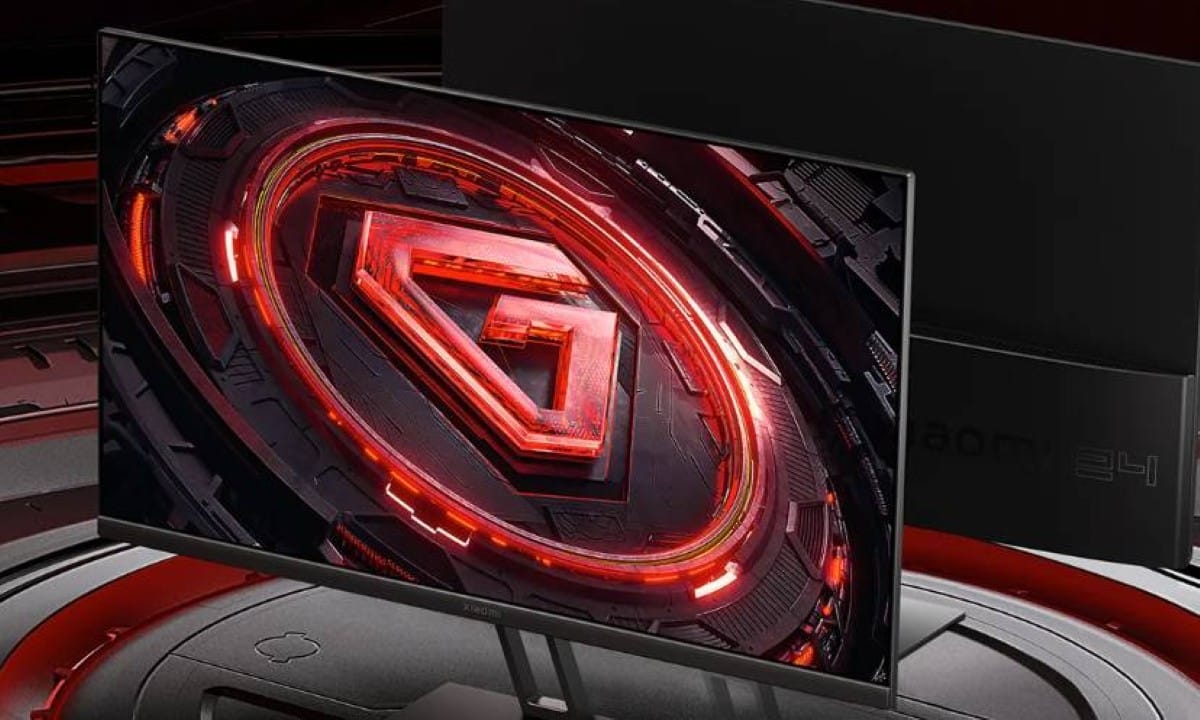
The gaming peripherals market received a new addition of weight with the official presentation of the Redmi G25 at China. The equipment relies on an aggressive combination of advanced technical specifications and a low market value, aiming to attract consumers looking for performance without large initial investments. The manufacturer’s strategy focuses on popularizing access to high frame rates, a feature previously restricted to premium models.
Developed to serve both casual gamers and competitive title enthusiasts, the device integrates technologies that prioritize image fluidity. The construction of the panel and the choice of internal components reflect cost optimization that does not sacrifice essential functionalities for the target audience. Although the initial launch is restricted to the Asian market, the model signals the brand’s trends for the global hardware sector.
Technical details and visual performance
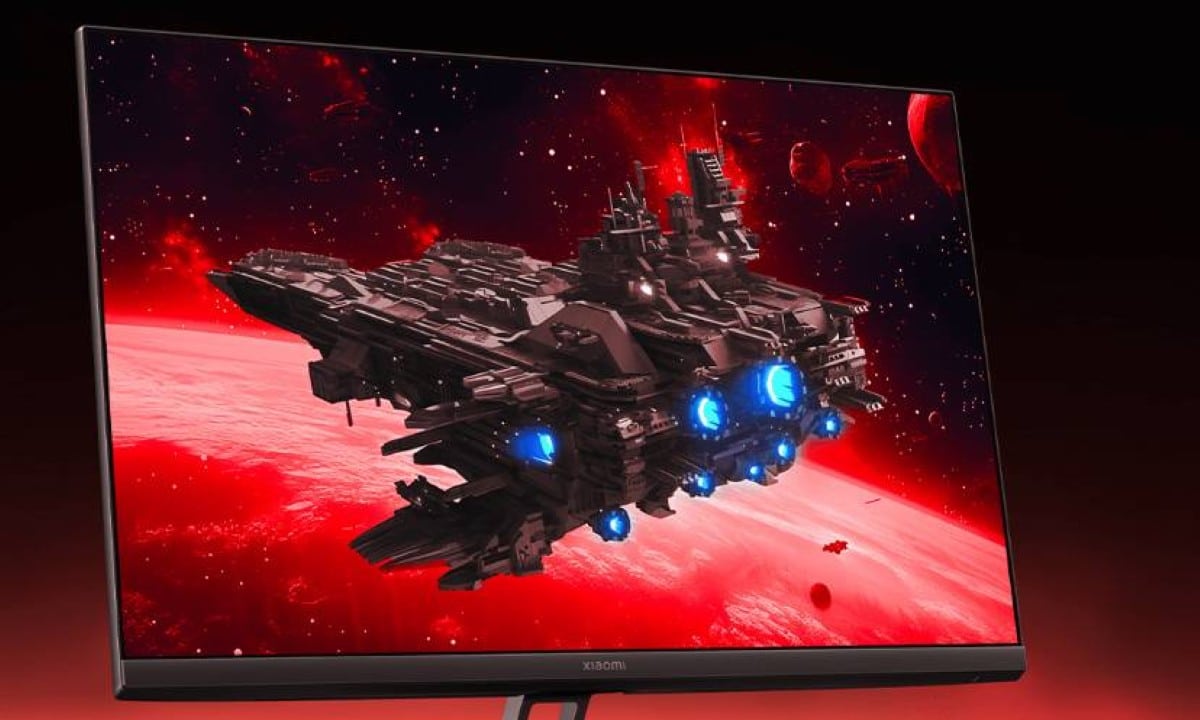
The 24.5-inch screen uses Fast IPS technology, which differentiates itself by delivering response times of just 1 ms (GtG). Essa feature is essential for reducing ghosting in busy scenes, ensuring clearer viewing during matches. The native resolution is Full HD (1920 x 1080 pixels), a standard still widely used in e-sports competitions due to the lower graphic processing requirements.
The highlight of the product lies in its refresh rate of 200 Hz. Esse frequency level enables display of up to 200 frames per second, providing a significant competitive advantage in first-person shooters (FPS) and MOBAs. The extra fluidity makes it easier to track targets and improves the user’s reaction time.
To complement the performance, the monitor offers a maximum brightness of 400 nits and static contrast of 1000:1. Esses values ensure that the content is visible even in environments with controlled lighting, maintaining the integrity of the dark areas of the image.
Color quality and additional features
For users who also use the computer for media consumption or basic editing, the device offers coverage of 95% of the DCI-P3 color spectrum and 100% sRGB. The manufacturer ensures individual calibration prior to the factory.
This calibration promises color accuracy with Delta E less than 2, which ensures fidelity in tone reproduction. Support for the HDR 400 standard complements the visual package, allowing greater dynamic range in compatible content.
Adaptive sync technology is present, with FreeSync support and G-Sync compatibility. Isso eliminates tearing and stuttering by synchronizing the monitor’s refresh rate with the video card.
Connectivity and structural ergonomics
The rear of the device houses class-critical ports designed to support the bandwidth required for 200 Hz. Physical connection options include:
– Entradas HDMI 2.0 for consoles and PCs;
– DisplayPort 1.4 port for maximum performance;
– Saída 3.5mm audio jack for headphones.
The design adopts thin edges and allows tilt adjustments, in addition to being compatible with wall mounts or articulated arms in the VESA 75 x 75 mm standard. The 178-degree viewing angle preserves image quality even when viewed from the side.
Price and market positioning
The initial launch takes place in the Chinese market with a suggested price of 609 yuan. Esse value converts to approximately R$456 in a direct quote, without considering import taxes or logistics fees.
This pricing strategy puts the model at a direct advantage against competitors that offer lower upgrade rates in the same cost range. The Redmi G25 seeks to bridge the gap between entry-level office monitors and high-performance equipment.
To date, no official information has been released about global distribution or the product’s arrival at Brazilian retailers. The expansion of the Redmi line for monitors reinforces the Xiaomi ecosystem, which continues to diversify its consumer electronics portfolio.



