
Conflict in the Middle East closes airports and suspends cruises, leaving thousands of tourists without flights

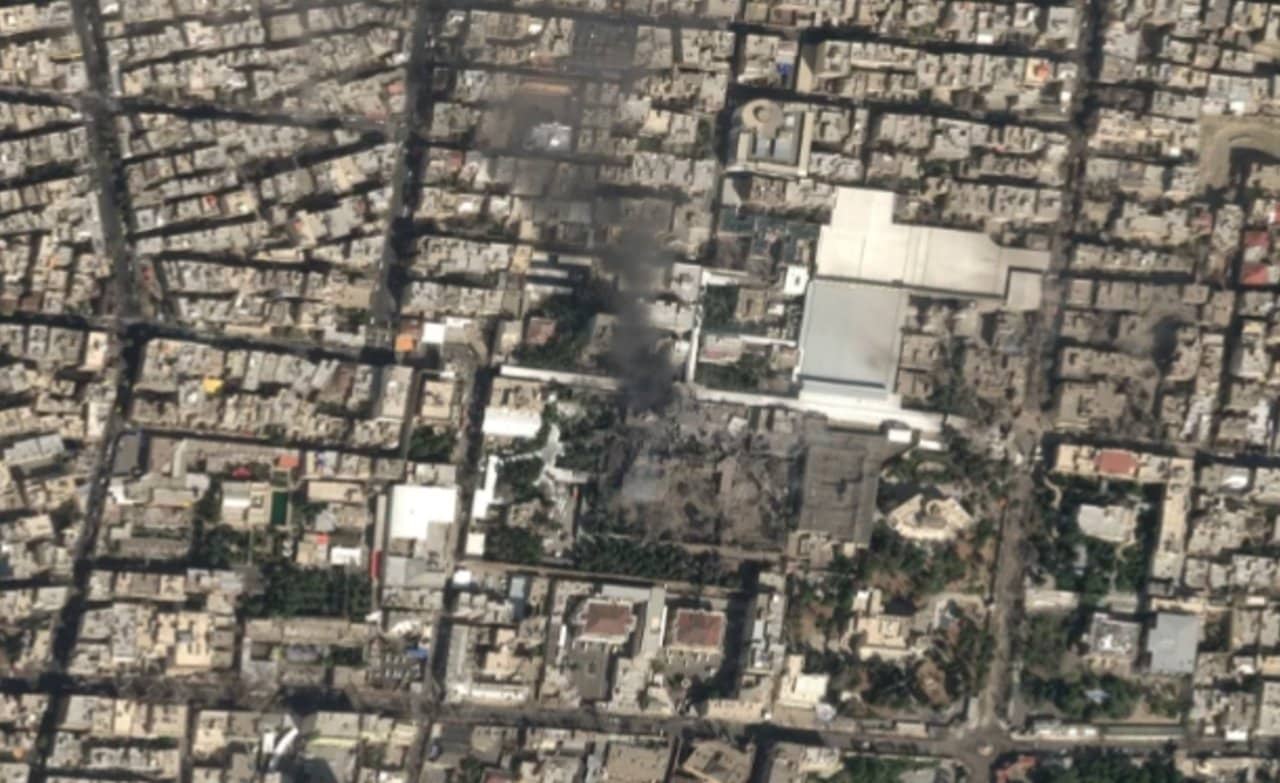
An unprecedented wave of military instability hit Oriente Médio, resulting in the immediate shutdown of critical air and sea transportation infrastructure. Desde On March 1st, the region faces a severe logistical blockade resulting from retaliatory attacks involving Israel, Estados Unidos and Irã. The escalation of tensions forced local authorities to close airspace and suspend port operations, generating a ripple effect that affects travelers and global trade.
The insecurity scenario forced the closure of strategic airports and the interruption of vital commercial routes. Milhares of passengers, including a significant contingent of European tourists, remain stranded in international connection hubs, with no clear forecast of return. The gravity of the situation required quick responses from foreign governments and transport companies, which prioritize the physical integrity of crews and customers in the face of the imminent risk of new clashes.

The main immediate repercussions include:
- Total or partial suspension of flights at global connection airports;
- Cancellation of cruises with thousands of passengers on board;
- Structural damage reported at airport terminals after attacks;
- Issuance of maximum security alerts by ministries of foreign affairs.
Collapse in major air hubs
Commercial aviation in the region suffered a drastic blow with the interruption of activities in nerve centers such as Dubai, Abu Dhabi and Doha. Estes locations, which serve as vital bridges between Ocidente and Ásia, are operating under severe restrictions or are completely closed. Dados air traffic monitoring data indicate that more than 3,400 flights were canceled at just seven of the main airports in the affected area, isolating vast areas of the global air map.
Preliminary reports point to physical damage to airport infrastructure. The Aeroporto Internacional of Dubai, as well as terminals in Abu Dhabi and Kuwait, recorded damage resulting from recent military actions. Insecurity on the ground and in the air made it impossible to maintain regular operations, forcing flight controllers to divert aircraft and cancel scheduled departures, leaving runways empty and concourses full.
Immediate reaction from large operators
Faced with rapidly deteriorating safety conditions, the world’s largest airlines have implemented emergency protocols. Lufthansa announced the suspension of all connections to the region until March 8th. The measure covers destinations such as Tel Aviv, Beirute, Amã, Erbil, Dammam and
The companies’ strategy involves completely avoiding the airspace of countries involved in or close to the conflict. Lufthansa and other operators have redesigned their routes to not fly over Israel, Líbano, Jordânia, Iraque, Catar, Kuwait, Adicionalmente, flights to and from Emirados Árabes Unidos, specifically Dubai and Abu Dhabi, have been suspended until March 4. Etihad Airways also canceled crucial routes, including connections to Sydney via Abu Dhabi, which created a significant logistical bottleneck and left passengers without immediate re-accommodation alternatives.
Passengers face uncertainty at terminals
The environment inside the affected airports is described as chaotic. No Aeroporto Internacional of Dubai, thousands of people seek information on how to proceed, facing failures in internal services and poor communication on the part of local administrations. The lack of clarity regarding the resumption of flights or the availability of basic support, such as accommodation and food, exacerbates tension among stranded travelers.
Tourists report extreme difficulties in obtaining accurate directions. A German traveler classified the situation as “total chaos”, highlighting the lack of official announcements and the impossibility of planning a safe exit. The customer service infrastructure of airlines and airports proved insufficient to deal with the simultaneous volume of cancellations, highlighting the fragility of contingency plans in scenarios of war.
Maritime tourism paralyzed in ports
The cruise sector, which has one of its most luxurious itineraries on Golfo Pérsico, was equally impacted. Grandes embarcações foram instruídas a interromper suas viagens ou permanecer atracadas em portos considerados seguros, aguardando a evolução do cenário geopolítico. Passenger safety has become the only priority, overriding tourist itineraries planned months in advance.
The ship “MSC Euribia”, belonging to MSC The vessel remains detained, illustrating the magnitude of the crisis. Simultaneamente, TUI Cruises reported that its ships “Mein Schiff 4” and “Mein The company reinforced that regular operations are currently unfeasible and that guests must remain on board for safety reasons.
Government guidelines and alternative routes
Foreign governments acted quickly to guide their citizens. Ministério of Relações Exteriores of Alemanha issued a comprehensive warning, advising against travel to more than ten countries located between Líbano and Omã. Authorities recommend that citizens present in the region register on crisis preparedness lists, such as ELEFAND, and maintain constant contact with tour operators to monitor windows of opportunity to leave the region.
The current crisis poses new challenges to global aviation, which was already dealing with restrictions in Russian and Ukrainian airspace. With the closure of the Oriente Médio corridors and instability between Paquistão and Afeganistão, the available routes to connect Europa to Ásia have become scarce. Aircraft need to make long detours, which increases travel time, fuel consumption and operational costs, putting further pressure on international passenger and cargo logistics.



