
Global observation: March’s Full Moon arrives with lunar eclipse restricted to parts of the Pacific

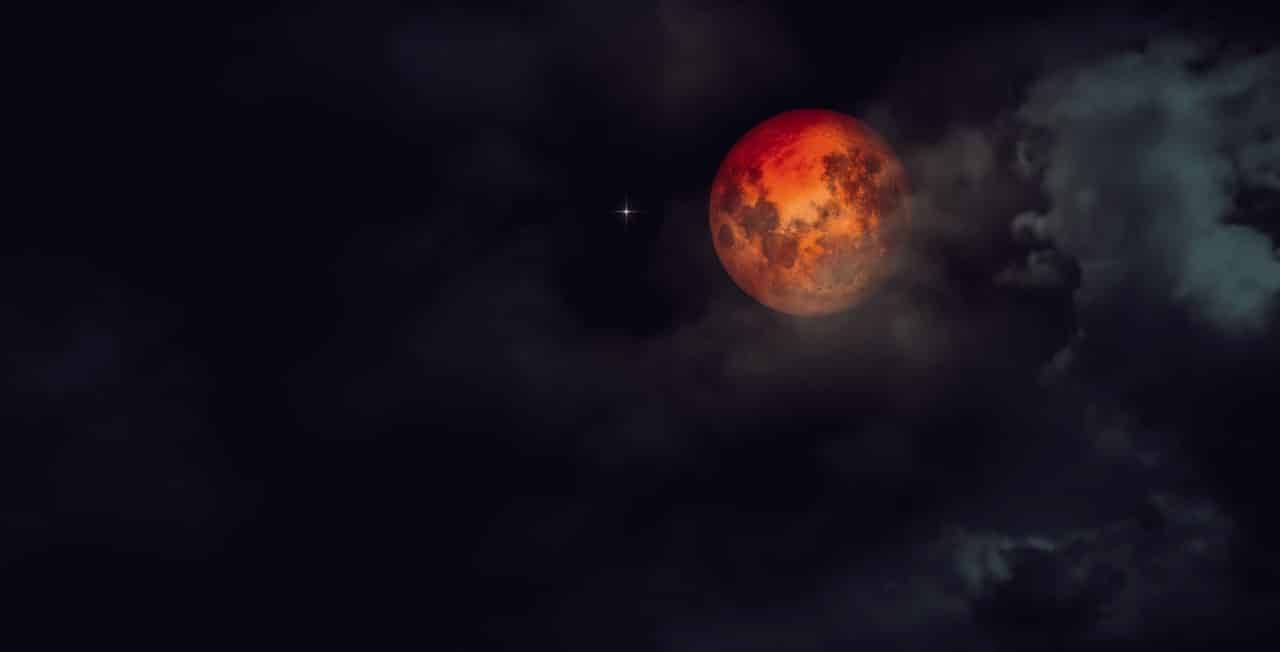
March approaches, bringing with it the traditional full moon that announces the arrival of spring, a period marked by the awakening of nature and renewed optimism. On March 3, 2026, this celestial phenomenon will occur, promising a visual spectacle, although a partial lunar eclipse associated with it will only be visible in specific locations on the planet. Para observers on Alemanha Central, the full moon will appear on the horizon at around 6 pm that day, a few hours after the exact peak of the event, which will be at noon.
The symbolism of the March full moon extends across different cultures and is often associated with rebirth. Essa connection with spring is indicative of longer days and mild temperatures, fulfilling the role of a beacon after the harsh winter. The energy of this period is seen as conducive to new beginnings and the celebration of resurging life.
The March full moon phenomenon
March’s full moon is traditionally known as Lua from Lenz, a term that has its roots in the Old High German word “lenzo,” meaning spring. Este name evokes the essence of the season that begins, symbolizing hope and flourishing after the cold months. It is a time of transition, where nature prepares for a new cycle of growth and vitality.
Astronomically, a full moon occurs when the moon is in opposition to the sun, with Terra positioned precisely between both celestial bodies. Esse alignment is the primary condition for a lunar eclipse to occur, such as the one predicted for the same date. The perfect synchrony between Terra, the moon and the sun creates an opportunity for the Earth’s shadow to envelop our natural satellite.
Lunar eclipse: a spectacle for the few
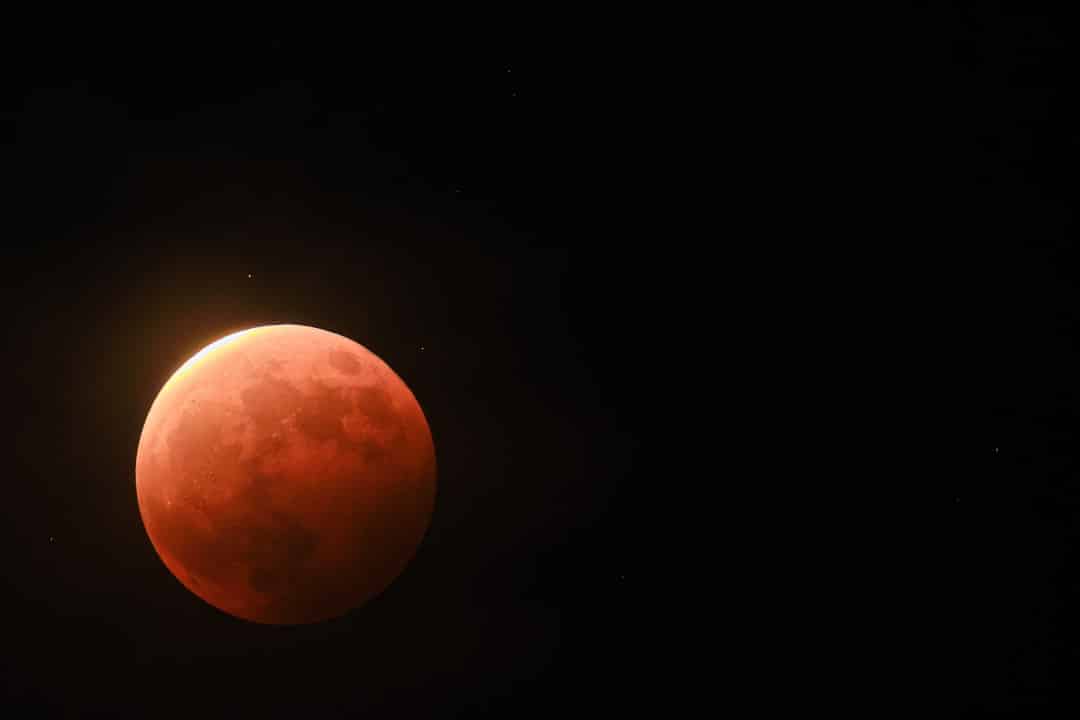
On March 3, 2026, a lunar eclipse will accompany the full moon, but its visibility will be greatly restricted. Observadores in Alemanha and most of Europa will not have the chance to witness this celestial event. The show will be exclusive to those in regions bathed by Oceano Pacífico, offering a unique experience for a select audience.
Privileged locations for observation include Nova Zelândia, Japão, Sibéria Oriental, west of Canadá and Alasca. Nesses territories, the lunar eclipse can be seen from 9:45 am Europa Central time, providing a rare glimpse of Terra casting its shadow across the lunar surface. The geographic exclusivity of the phenomenon makes it even more fascinating for astronomy enthusiasts who reside in or travel through these regions.
The Artemis II mission and return to the moon
In addition to natural phenomena, the moon remains a focus for human exploration, and NASA’s Artemis II mission represents a significant milestone. The program seeks to return astronauts to lunar orbit for the first time in more than half a century, reigniting interest in manned space exploration. The goal is to test systems and procedures for future missions that will eventually land humans on the lunar surface.
Although a precise launch date for Artemis II is still pending, due to technical challenges such as problems with the helium system that forced the rocket to return to the hangar, expectations are high. The mission aims to demonstrate the flight capability of the crewed Orion spacecraft, setting the stage for a sustainable human presence on the moon. Este return is crucial to advance scientific research and understanding of our natural satellite.
Space navigation with German technology
Alemanha plays a key role in the Artemis II mission, especially through the technological contribution of Jena-Optronik, based at Turíngia. Esta company is responsible for the Orion spacecraft’s star sensor, a vital component that the crew will use to guide the ship during its journey. The accuracy of this sensor is essential to ensure the safety and success of the trip to the moon and back.
Multiple names for the same celestial event
The March full moon is known by a variety of nicknames in different cultures, each with its own meaning and historical context. One of these names is “Lua do Corvo”, a reference to the presence of these birds. Embora although black crows are perennial residents in Alemanha Central, it is in February and March that rooks, migratory species, return from the east to their breeding areas in the region.
Another term used is “Moon of Quaresma”, which aligns with the Christian period of Quaresma. Este religious cycle begins on Quarta-Fair of Cinzas, on February 18th, and continues until April 2nd. The coincidence of the full moon with this time reflects the integration of natural cycles with the cultural and spiritual traditions of many communities.
The expression “chaste moon” is also used to describe the full moon in March, encompassing multiple meanings. Este nickname not only represents the transition to spring, marking the end of winter, but also connects with the traditional period of Quaresma that precedes Páscoa. Essa wealth of names highlights humanity’s deep relationship with celestial phenomena.
Finally, the diversity of names for the March full moon illustrates how different peoples interpret and name natural events based on their observations of the environment and their beliefs. Essas denominations are a testament to the human capacity to attribute meaning and narrative to the cycles of nature, transforming an astronomical event into a mirror of their lives and cultures.
Traditions and Meaning Among Native People
Native American peoples also attached great importance to the March full moon, giving it names that reflected their activities and observation of nature. The Ojibwe people, for example, called her Lua from Açúcar or Lua from Xarope. Este name marked the period when the sap from sugar maple trees began to flow, signaling the ideal time to harvest maple syrup, an essential food.
The Algonquin people, who inhabit the lands of the current Canadá, referred to it as Lua of Minhoca. Esta name appeared with the melting of snow and ice, when the first earthworms began to emerge from the soil. The appearance of earthworms, in turn, attracted birds, indicating the awakening of life and the beginning of the hunting and gathering season.
These names reveal a deep connection and dependence on natural cycles for the survival and culture of these people. The March full moon was not just an astronomical event, but a living calendar that guided their actions and marked important transitions in their daily and spiritual lives. Close observation of heaven and earth provided the signs needed to prosper.
The lunar journey throughout March
After the full moon on March 3, the natural satellite of Terra will continue its orbit, exhibiting different phases throughout the month. On March 11th, it will appear as a waning crescent, indicating the beginning of its waning phase. Este period is often associated with reflection and letting go in many traditions.
Later on March 19, the moon will reach its new moon phase, becoming invisible in the night sky. Este moment marks the alignment of the moon with the sun, and is considered a point of renewal and new beginnings in many cultures. Pouco later, on March 25, the moon will reemerge as a crescent, beginning its journey back to fullness.
Its next full opposition, or full moon phase, is scheduled for April 2, 2026, ending the monthly cycle and beginning a new one. The ever-changing lunar phases provide a continual spectacle for observers and astronomers, reinforcing the beauty and predictability of the celestial movements that influence life on Terra.




