
Mahmoud Ahmadinejad, former president of Iran, is killed in bombing in Tehran

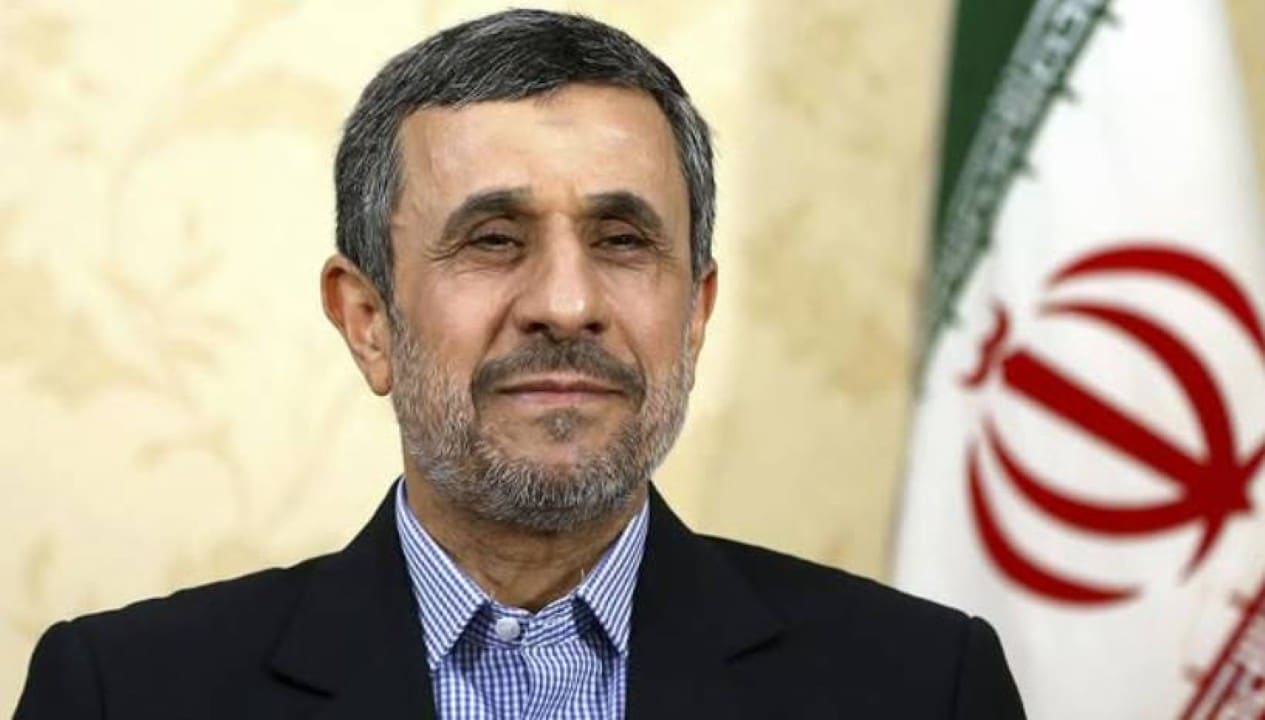
Iranian state media confirmed the death of former president Mahmoud Ahmadinejad in joint airstrikes carried out by Estados Unidos and Israel. The incident occurred on Saturday, February 28, 2026, in a residence located in the district of Narmak, in Teerã, capital of Irã. Relatos initials indicate that the former leader was hit during a wave of bombings aimed at strategic targets in the country. Autoridades Iranian women reported that bodyguards accompanying Ahmadinejad were also killed at the scene.
The attacks are part of a broader military operation, dubbed Operation Epic Fury by the American military, which resulted in several civilian and military casualties. Fontes of the Iranian government estimate that at least 201 people have died and 747 have been injured on Iranian territory so far. The offensive included precision strikes on government and military compounds, with reports of significant destruction in densely populated urban areas. The Pentágono confirmed the participation of American forces, justifying the actions as necessary to neutralize nuclear and missile threats.
Confirmation of the death came through the ILNA news agency, which described the event as an act of direct aggression against historical figures of the regime. Ahmadinejad, who served as president between 2005 and 2013, was a member of Conselho of Discernimento of Conveniência, an important advisory body in the Iranian political system. Sua elimination represents a symbolic blow to the country’s conservative establishment, in the midst of an escalation that already killed the supreme leader Ayatollah Ali Khamenei on the same day.
Details of the attacks on Teerã
Bombings hit multiple districts of Teerã, including residential areas and military installations. Relatos of witnesses describe intense explosions that occurred around 6pm local time, causing widespread panic in the capital. Equipes rescuers worked through the night to remove rubble and tend to the injured, while the Iranian government imposed an internet blackout to contain the spread of information. Autoridades Americans said the strikes were calibrated to minimize collateral damage, but independent reports point to at least 133 civilians killed in initial attacks.
Ahmadinejad’s residence, located in Narmak, was completely destroyed, according to images released by regional media. The place was known for being a meeting point for conservative allies of the former president. Militares Israelis confirmed that the target was part of a list of priorities, aimed at neutralizing potential threats of retaliation. The immediate impact included power outages in parts of the city, affecting hospitals and essential services.
Historical context of the presidency of Ahmadinejad
Mahmoud Ahmadinejad assumed the presidency of Irã in 2005, after an election marked by strong support from conservative and religious sectors. Seu mandate was characterized by an aggressive stance towards the Iranian nuclear program, which he defended as the country’s sovereign right. Durante During this period, Irã significantly advanced uranium enrichment technologies, which led to international sanctions imposed by Estados Unidos and União Europeia. Ahmadinejad often publicly criticized Israel and the US, positioning Irã as the leader of the resistance in Oriente Médio.
His re-election in 2009 sparked global controversy, with accusations of electoral fraud sparking massive protests known as Movimento Verde. Milhões of Iranians took to the streets demanding transparency, but the government’s response was a violent crackdown, resulting in dozens of deaths and thousands of arrests. Críticos international condemned the actions, which included censorship of the press and arrests of opponents. Ahmadinejad maintained its popularity among poor rural and urban bases, thanks to subsidy policies and resource distribution.
The former president also faced internal criticism for corruption and economic mismanagement, which worsened inflation and unemployment in the country. Seu speech at the UN in 2005, questioning Holocausto, further isolated Irã diplomatically. Após left office in 2013, Ahmadinejad remained active in politics, criticizing successors and positioning himself as a defender of the ideals of Revolução Islâmica of 1979.

International reactions to the death
Golfo countries, such as Arábia Saudita and Emirados Árabes Unidos, expressed concern about the escalation, while reporting impacts of Iranian retaliations on their territories. Ataques of Iranian missiles hit American bases in the region, resulting in three US soldiers killed and five seriously injured. American President Donald Trump described the actions as necessary to promote regime change in Irã, encouraging the local population to rebel against the government.
At Europa, leaders of União Europeia called for immediate restraint, warning of the risk of a wider regional war. França and Alemanha issued joint communiqués, proposing urgent negotiations under UN mediation. Países as well as Rússia and China condemned the strikes as a violation of Iranian sovereignty, pledging diplomatic support to Teerã. Organizações humanitarian agencies, like Cruz Vermelha, reported difficulties in accessing affected areas due to roadblocks and disrupted communications.
In Oriente Médio, Israel reinforced its defenses, with warning sirens sounding in cities such as Tel Aviv and Jerusalém following Iranian missile launches. Pelo minus nine Israelis died in an attack on Beit Shemesh, and more than 121 were injured. Israeli Prime Minister Benjamin Netanyahu stated that operations would continue to destroy Iranian missile stocks, estimating that 50% had already been neutralized.
Implications for regional stability
The death of Ahmadinejad, combined with that of supreme leader Khamenei, creates a power vacuum in Irã that could lead to internal disputes between conservative and reformist factions. An interim council was formed, including the Iranian president and religious figures, to manage the transition. Analistas predict instability, with possible popular protests similar to those of 2009 and 2022, worsened by the current economic crisis. The Irã faces inflation above 40% and shortages of basic goods, which could amplify discontent.
Economically, the attacks disrupted oil routes in the Estreito from Hormuz, with global barrel prices rising 15% in 24 hours. Navios were hit, affecting international trade and raising energy costs in European and Asian markets. Países dependent on Iranian imports, such as China and Índia, monitor the situation to adjust supplies. The UN has called an emergency session to discuss sanctions and a ceasefire, but divisions in the Conselho of Segurança complicate resolutions.
Military and humanitarian consequences
The clashes resulted in hundreds of injuries in multiple countries, with hospitals in Teerã operating at maximum capacity. Relatos indicate that an elementary school was hit, killing more than 100 children, although US forces are investigating the incident. Iranian infrastructure suffered damage to airports and power plants, causing blackouts in several provinces. Equipes international aid workers call for safe corridors to deliver medical supplies and food.
Israel and the US have intensified air patrols, with fighter jets flying over Golfo Pérsico to intercept threats. Irã retaliated with drones and ballistic missiles, striking targets in Israel, Iraque, Bahrein and Emirados. The number of civilian casualties continues to rise, with organizations such as Anistia Internacional documenting potential human rights violations on both sides.
De-escalation prospects
Global diplomats work through alternate channels to mediate the conflict, with Qatar and Omã acting as neutral intermediaries. The UN Secretary-General called for immediate dialogue, emphasizing the need to preserve Iranian sovereignty. Trump indicated that operations will persist until Irã demonstrates willingness for revised nuclear negotiations. No Irã, official speeches promise revenge, but analysts note internal fatigue due to years of sanctions.
The international community is closely watching the impact on regional alliances, such as the Irã-Syria-Hezbollah axis, which may mobilize in response. Países Europeans increased travel warnings for Oriente Médio, canceling flights and evacuating diplomats. The situation is evolving rapidly, with constant updates from intelligence agencies.



