Nintendo releases RPG refunds on Switch successor after harsh criticism over visual changes
The Japanese electronic entertainment giant has started an unprecedented process of refunding amounts to consumers who purchased one of the recent paid updates to a renowned RPG title. The decision, which surprised industry analysts and the fan base itself, comes in response to significant backlash over the new artistic direction implemented in the game, which was ported to the successor hardware to the company’s hybrid console. The move marks a turning point in the company’s customer satisfaction policy, historically known for its rigidity in relation to digital products.
The focus of the complaints is the perception that the new version of the game, originally acclaimed on previous platforms, has undergone a drastic change in its visual identity. Jogadores Veterans and new users have pointed out that changes to lighting and character modeling have resulted in an unnatural appearance, described by many as “flat” or lifeless. The controversy gained traction on social media, where direct comparisons between the original version and the new release highlighted the absence of atmospheric elements that defined the work’s aesthetic.
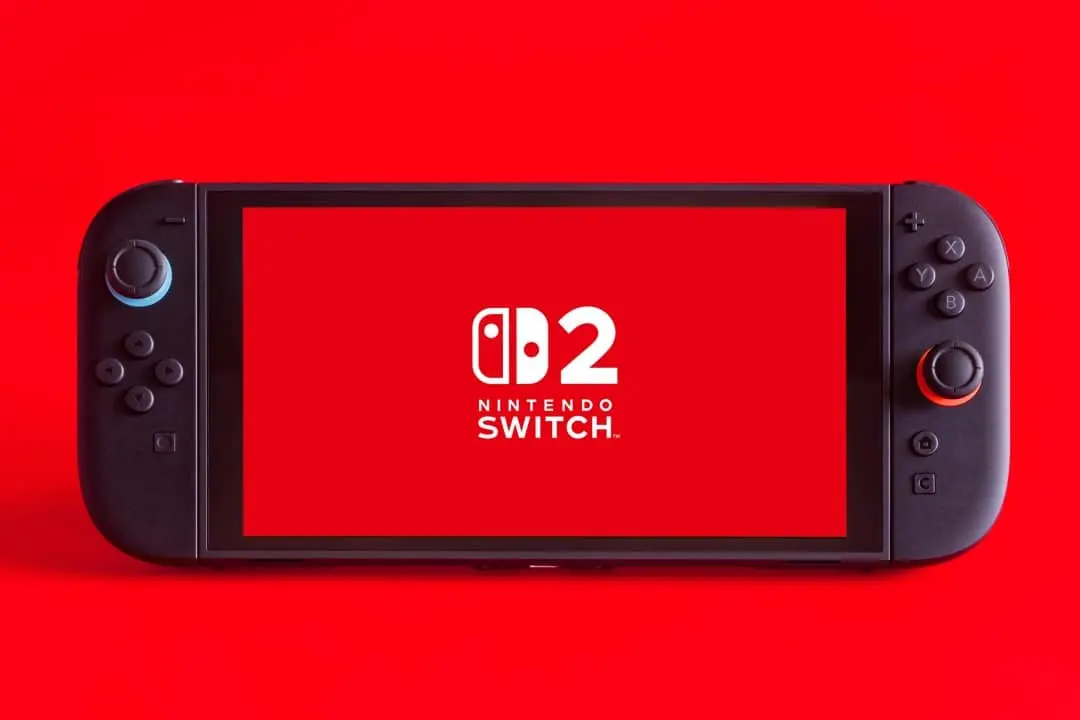
The situation quickly escalated when digital influencers and gaming technology experts published detailed technical analyses. The verdict pointed out that, although the resolution had increased, the dark and immersive atmosphere of the original was replaced by a brighter and more generic tone, displeasing the community that expected a faithful preservation of the original work of art. Diante of the pressure, the company chose to not only acknowledge the discontent, but act proactively to mitigate damage to its reputation early in the lifecycle of its new console.
This mass refund measure is seen as a tactical recognition that visual quality and artistic fidelity are non-negotiable pillars for the enthusiast public in 2026. By allowing players to recover their investment, the developer signals that it is attentive to the demands of an increasingly critical and technically literate market, where hardware updates do not, in themselves, justify changes that compromise the creators’ original vision.
Learn more: Nintendo denies refunds to consumers after Supreme Court ruling
Technical changes and the loss of atmospheric identity
The root of the technical problem appears to lie in the complexity of migrating the original code to the new architecture of the Switch successor. Especialistas in entertainment software engineering suggest that simply transferring assets was not enough to maintain the game’s visual integrity. The graphics engine, when adapted for the new hardware, apparently failed to replicate the post-processing effects that gave the game its distinctive appearance.
One of the most criticized points was the removal or significant alteration of “volumetric fog”, a technical resource used to create depth and density in the atmosphere of open world scenarios. In the original version, this effect was crucial to convey the colossal scale of the alien planet where the plot unfolds. Sua’s absence in the new version resulted in scenarios that, although clearer, seem empty and disconnected, breaking the immersion that was the franchise’s trademark.
In addition to environmental issues, the rendering of the characters underwent changes that impacted the visual narrative. The new shading technique, applied to the 3D models, eliminated nuances of expression and texture that previously existed. The result was a “wax doll” or simplified anime appearance, which clashes with the serious and often dramatic tone of the story, creating a cognitive dissonance for players who knew the original work.
The game modding and preservation community has also entered the debate, arguing that the update represents a case of “digital revisionism.” By fundamentally altering the aesthetics to conform to modern standards or streamlining performance on new hardware, developers may have inadvertently erased the original artistic intent. Esse debate on art preservation versus technical modernization became the center of discussions in specialized forums.
See Also

Corporate Response and the Return Process
The speed with which Nintendo implemented the refund system was the most notable aspect of this episode. In contrast to previous bureaucratic processes, which often required long email exchanges and exhaustive justifications, the new system allowed requests to be processed in a matter of minutes. Relatos of users indicate that the refund was approved and carried out in less than ten minutes after the request, an unprecedented agility for the company.
On the same topic: Xenoblade franchise receives enhanced versions on Switch 2 and announces new Genesis game
This operational efficiency suggests that the company was monitoring product reception in real time and already had a contingency plan. The implicit admission that the product did not meet the quality standards expected by the Monolith Soft fan base demonstrates a heightened sensitivity to the importance of maintaining consumer trust, especially in a period of console generation transition.
Impact on the market and the future of remasters
The incident casts a shadow over future remastering and improved backwards compatibility projects. The market, now in 2026, is carefully observing how large developers treat their legacy catalogs. The expectation that more powerful hardware would automatically result in definitive versions was shattered, proving that art direction continues to be superior to brute computational force.
For Monolith Soft and Nintendo, the challenge now is to regain technical credibility among the most purist fans. The episode serves as a case study for the entire industry: modernizing classics requires a delicate balance between technical innovation and respect for the original work. The continued preference of many players for the version of
More on this story: Nintendo refuses refunds to Switch 2 customers for voiding illegal fees