
Pixel 10a launch faces criticism for aging hardware as competitors innovate in 2026

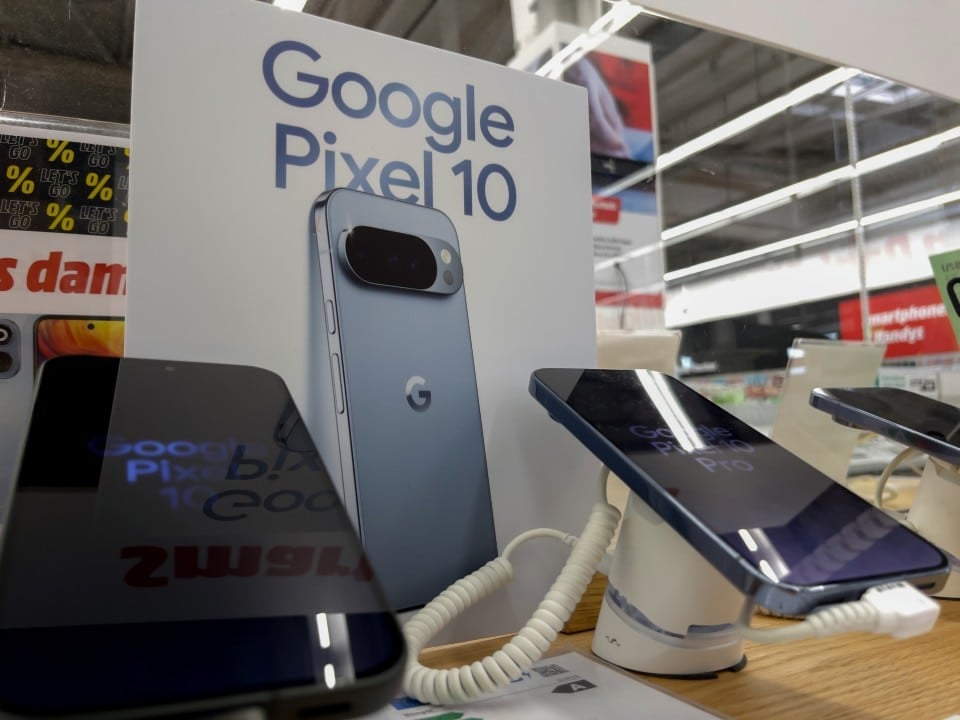
The mid-range smartphone segment is going through a phase of radical transformation this year, driven by a specifications war that is redefining what consumers expect from a device in the $499 range. Enquanto Asian manufacturers introduce cutting-edge technologies such as high-density batteries and elite processors, Google appears to be taking a stance of extreme caution with its upcoming device, sparking heated debates among mobile technology experts and enthusiasts.
The Mountain View giant’s strategy for the new member of the Pixel family suggests maintaining hardware components from the previous generation, specifically the camera and battery packs from the 9a model. Essa decision contrasts sharply with the aggressive movement of rivals who are equipping their devices with features that were previously exclusive to high-end devices, creating a technical abyss that can make it difficult to justify the price for consumers who value the raw technical data sheet.

Despite the conservation of physical hardware, the Google’s focus lies entirely on the integration of software and artificial intelligence. The inclusion of the Tensor G4 processor aims to ensure that the device supports the most advanced generative AI and natural language processing capabilities while maintaining the fluidity of the operating system. However, the question that remains in the market is whether software optimization will be enough to combat the brute force and physical innovation presented by direct competitors.
Power Disparity and Raw Processing
The competition becomes evident when we analyze the technical specifications of the OnePlus 15R, which appears as one of the main antagonists in this scenario. The device redefines autonomy in the industry by incorporating a massive 7,400 mAh battery, using the new “glacial battery” technology. Essa innovation allows you to store much more energy without drastically increasing the volume of the device, solving one of the biggest pain points for modern users: the duration of the charge.
In addition to the superior energy capacity, the OnePlus device does not skimp on performance, featuring the Snapdragon 8 Gen 5 chipset. Support for 80W fast charging complements the package, offering a complete solution for those who prioritize screen time and recharge speed.
The visual experience also receives special attention in this competitor, with a 6.78-inch AMOLED screen, 1.5K resolution and a refresh rate of 165 Hz. The OxygenOS 16 operating system promises four major updates and five years of security, trying to balance the scales of software support, which has historically always been Google’s strong suit.
Focus on versatile photography and bold design
Another competitor that stands out is Nothing Phone 3a Pro, which seeks to attract audiences who value aesthetics and photographic flexibility. The device positions itself as a robust alternative for content creators, offering a set of cameras that includes a 50 MP main sensor and a periscopic lens with 3x optical and up to 6x hybrid zoom. The Essa configuration offers shooting versatility that the Google’s recycled hardware will be hard-pressed to match in terms of pure optical quality.
The performance of the Nothing model is ensured by the Snapdragon 7s Gen 3 processor, balancing efficiency and power for daily tasks and image processing. The 6.7-inch AMOLED screen with 120 Hz and Panda Glass protection reinforces durability and viewing quality, while the brand’s signature transparent design remains an important visual differentiator in a sea of generic rectangles.
Software longevity and extreme physical endurance
The Samsung maintains its strategic position with the Galaxy S25 FE, betting on loyalty through the ecosystem and long-term support. Equipado with the Exynos 2400 processor, 8 GB of RAM and running the One UI 8 based on the Android 16, the device’s greatest asset is the promise of seven years of operating system and security updates. Essa policy significantly extends product life, offering added value that directly competes with Google’s AI proposition.
At the same time, the Motorola invests heavily in the Signature line, focusing on an ultra-thin design of just 6.99 mm and a light weight of 186 grams, without sacrificing resistance. The device has IP68 and IP69 certifications, in addition to passing MIL-STD military tests, guaranteeing protection against water, dust and severe impacts. With the Snapdragon 8



