
War Coverage: Iranian offensive kills 7 people in Israel and US bases after bombings against Tehran and Khamenei

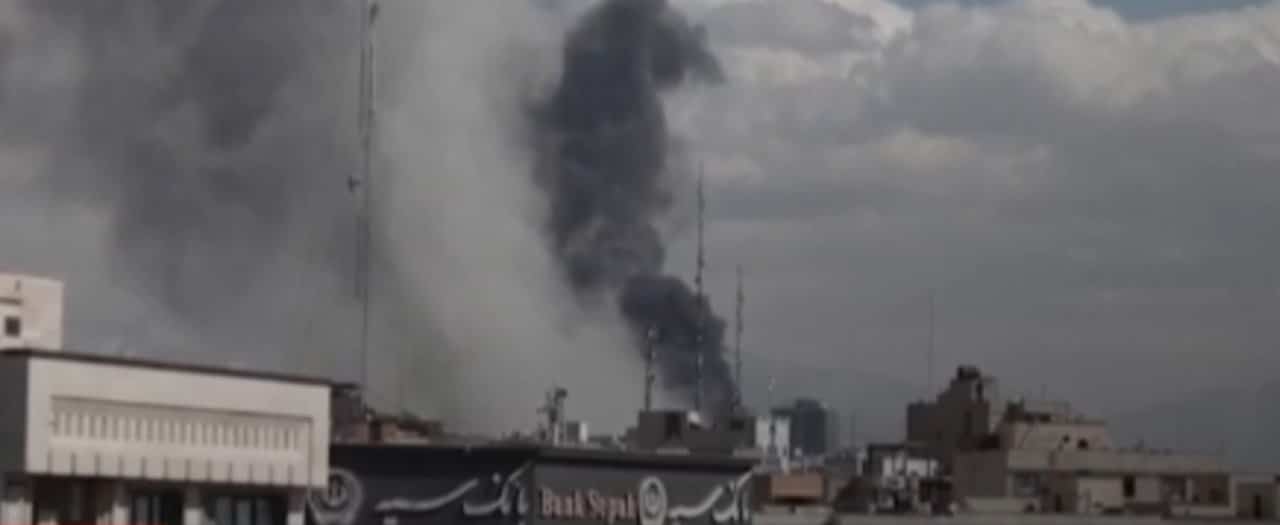
New columns of smoke rose over Teerã and explosions resounded in Jerusalém and Tel Aviv this Sunday, March 1, 2026, marking a dangerous escalation in Oriente Médio. Israel launched a series of attacks against the Iranian capital and other locations, while Irã responded with a volley of missiles aimed at Israeli cities and US military installations in the region. Este cycle of aggression intensified after previous bombings, carried out by the Estados Unidos and Israel on Saturday, which resulted in the death of the Iranian supreme leader, Ali Khamenei. Air raid sirens alerted the population in several areas, while defense forces worked to intercept the launched projectiles.
The conflict scenario quickly worsened, with reports of missiles hitting civilian and military targets. The Israeli Força Aérea confirmed that it had begun a vast offensive operation, aiming at air superiority and the neutralization of Iranian regime targets in the heart of Teerã. Paralelamente, the Irã did not hesitate to retaliate, launching air strikes that caused deaths and injuries, heightening geopolitical tension in one of the most volatile regions in the world.
Iranian reaction and losses in Israel
The Iranian response came with force, with missiles being fired at Israeli territory and also towards Oriente Médio countries that host Estados Unidos military bases. The secretary of Conselho Supremo of Segurança Nacional of Irã,
In Israel, the impact was immediate and tragic. Authorities confirmed the deaths of seven Israelis and dozens of injuries. Cinco people lost their lives and eighteen were injured in an attack on a residential building in Bet Shemesh, in the central region of the country, while two deaths were recorded in Tel Aviv. Em Jerusalém, the toll was around twenty injured, with local hospitals receiving the victims in the midst of an emergency scenario.
Climbing in Tehran and the Middle East
The wave of Israeli attacks against Teerã was described by Exército of Israel as a broad operation targeting targets of the “Iranian terrorist regime”. The belligerent rhetoric from both sides signals a willingness to escalate, with each military action provoking an almost immediate reaction. Images of columns of smoke in the Iranian capital, captured by news agencies, have become a visual symbol of the intensity of the conflict.
In addition to Teerã, other Iranian regions were targeted by bombings. The international airport of Mashhad, located in the northeast of Irã, was directly hit by a missile, which indicates that the Israeli offensive was not limited to the capital, but sought to impact the country’s strategic infrastructure. Este type of attack on a civilian airport is a sign of the scale of the operation.
The Iranian response extended beyond Israel. Bases military personnel from Estados Unidos in several nations from Oriente Médio were also targeted by the missiles. Explosões were recorded in cities such as Abu Dhabi and Dubai, in Emirados Árabes Unidos, Doha, in Catar, and Manama, in
This expansion of the conflict to other US-allied countries generates international concern about the stability of the entire Oriente Médio. The participation of other nations, even if only as a base for American forces, raises the risk of an even greater conflagration, involving multiple regional and global actors.
Air defenses and military response
Israeli defense forces were activated on a large scale, with sirens sounding in several cities and the Iron Dome anti-missile defense system being mobilized to intercept Iranian projectiles. Apesar of their efforts, Israeli authorities admitted that air defense systems are “still not infallible”, which was confirmed by the deaths and injuries on their territory.
The Iranian attack involved multiple launch pads, demonstrating a coordinated counterattack capability. The range and accuracy of Iranian missiles concern Israel’s allies, as well as US forces present in the region, raising questions about the effectiveness of existing defenses against an attack of such proportions.
Secretary Ali Larijani’s statement that the attacks would be “even more painful” suggests that the Irã has a considerable arsenal and is willing to use it if the offensive continues. Esta aggressive stance on both sides makes any prospect of de-escalation more complex and uncertain in the short term.
Losses in Israeli territory and neighbors
Iranian attacks resulted in seven fatalities in Israel. The city of Bet Shemesh, known for its residential nature, was particularly affected, while Tel Aviv and Jerusalém, nerve centers of
The violence was not limited to Israeli territory. Nos Emirados Árabes Unidos, the government confirmed the deaths of three people this Sunday, as a result of Iranian bombings. No Catar, sixteen individuals were injured after the attacks, which reinforces the broad regional impact of the conflict and the difficulty of protecting the population amid such escalation.
The Irã, in turn, did not disclose any number of deaths or injuries in its territory after the Israeli attacks, maintaining secrecy about the direct consequences of the offensive. The absence of official Iranian information makes it difficult to fully assess the damage and human losses on both sides.
Achieving strategic infrastructures
The destruction of dozens of missiles “ready to be launched against Israel” was one of the allegations made by a spokesman for the Israeli Exército at a press conference. Ele also stated that “the majority of Iranian air defense systems in the western and central parts of the country have been dismantled”, suggesting significant success in neutralizing the Iranian response capability. Contudo, the effectiveness of these actions is called into question by the subsequent massive Iranian retaliation, which demonstrated a substantial and organized residual capability, reaching multiple targets in the region.
The role of North American bases
The inclusion of Estados Unidos military bases in Oriente Médio as targets of Iranian retaliation highlights the international dimension of the conflict. The presence of American troops and facilities in countries such as Emirados Árabes Unidos, Catar and Bahrein puts them directly in the path of escalating tensions, raising the risk of direct involvement by



