
Xiaomi expands smartwatch portfolio in the country with emphasis on autonomy and advanced displays

The national wearable devices market is undergoing a significant update with the arrival of new models from the Chinese technology giant. The brand’s strategy for the current commercial cycle focuses on expanding its presence in Brazilian retail, offering a diverse catalog that seeks to serve everyone from the user looking for their first smart watch to the demanding consumer who demands premium finishes and robust operating systems. The move aims to consolidate the company in different price ranges, maintaining the aggressive competitiveness that has become its trademark.
Brazilian consumers now have at their disposal a range of products designed to solve one of the category’s main complaints: the need for frequent refills. The new line prioritizes energy efficiency combined with visual quality, with most equipment featuring improved native integration with the Android system and health applications. Investment in high-brightness screens comes as a direct response to the climatic conditions of tropical countries, ensuring that information is legible even under direct sunlight.
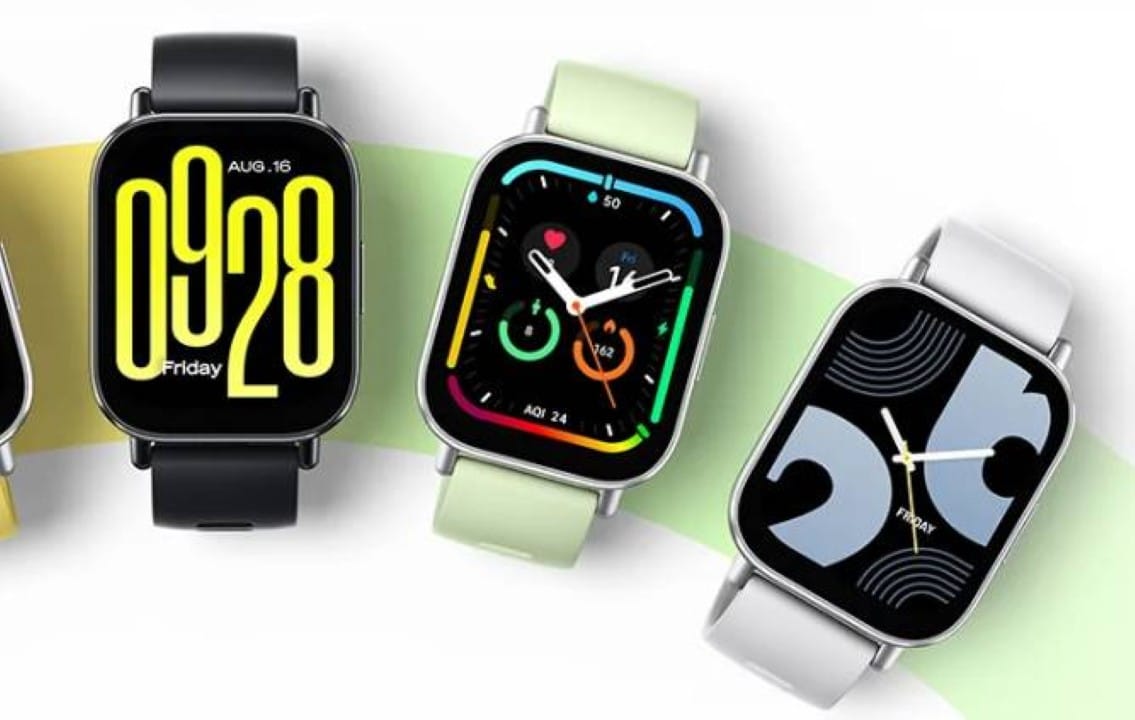
The democratization of access to accurate biometric data is another pillar of this new phase. The technology embedded in the devices allows the user to monitor everything from basic steps to complex metrics, such as stress levels and blood oxygenation, without the need for dedicated medical equipment. With options ranging from R$229 to R$899, the manufacturer allows each consumer profile to choose exactly the resources they need, avoiding paying for excess features that will not be used on a daily basis.
Entry options focused on cost-benefit
For consumers who want to enter the smartwatch ecosystem without making a high initial investment, the Redmi Watch 5 Active presents itself as a robust and affordable technical solution. Disponível at retail with prices starting at R$229, the model stands out for offering a large 2-inch LCD screen, making it easy to read notifications and training data. The big attraction of this device is the inclusion of calls via Bluetooth, a feature that was previously restricted to higher price segments, as well as an optimized battery that supports up to 18 days of moderate use.
In the smart bracelet segment, the Xiaomi Smart Band 9 Active maintains the tradition of minimalist design and essential functionality, with a suggested price of around R$250. The gadget has a 1.47 inch panel and a refresh rate of 60 Sua lightweight construction and water resistance make the model ideal for continuous use, being able to monitor sleep and water activities without causing discomfort to the user.
Intermediate performance and superior visual quality
Raising the bar, the Redmi Watch 5 positions itself as a respected intermediary in the portfolio, with prices starting at R$699. The technical difference of this model lies in its 2.07-inch AMOLED screen, technology that delivers more vibrant colors and deep blacks, significantly improving the visual experience. Além of image quality, the device integrates native GPS, allowing accurate tracking of running and cycling routes without dependence on a smartphone, a feature valued by those who practice outdoor activities.
The energy autonomy of this model is one of the strongest points in the entire category, reaching the impressive mark of up to 24 days away from the socket under ideal conditions of use. The haptic feedback system has also received improvements, offering more subtle and precise responses when interacting with the interface.
Still in the mid-range, the Xiaomi Smart Band 9 Pro, priced at around R$499, attracts audiences who prefer a hybrid format. The device combines the characteristic lightness of smartbands with advanced watch features, including integrated GPS and an AMOLED screen larger than the Active version. The health sensors have been improved to offer faster and more accurate readings, consolidating the model as a balanced option between portability and performance.
Sophistication and cutting-edge technology
The top of the line is represented by the Xiaomi Watch S3, a device that combines sophisticated design and the brand’s latest innovations. With prices ranging between R$699 and R$899, the model uses noble materials such as stainless steel in the construction of the case and innovates by allowing the exchange of frames for aesthetic customization. The 1.43-inch AMOLED screen offers high pixel density, resulting in superior clarity for dials and texts.
This smartwatch operates with the HyperOS system, ensuring extreme fluidity when switching between applications and features. Algumas versions of the model support eSIM, providing total independence from the smartphone for making calls and using mobile data. The sensor package includes an altimeter and compass, serving adventurers and high-performance athletes who require accurate environmental data.
Technical comparison of autonomy and resistance
Battery life and device durability are decisive factors in the Brazilian consumer’s purchasing journey. Abaixo, the main technical data of each available model stands out:
– Redmi Watch 5: Destaca stands out as an autonomy champion, offering up to 24 days of typical use and integrated GPS.
– Redmi Watch 5 Active: Entrega up to 18 days of charge and has a noise reduction microphone for clear calls.
– Xiaomi Watch S3: Garante about 15 days of use, balancing advanced features and high-resolution screen.
– Smart Band 9 Pro: Oferece a balanced set with up to 21 days of continuous monitoring.
– Resistência Geral: Todos the models mentioned have 5 ATM certification, allowing superficial diving and bathing without risk to the equipment.
Availability and market scenario
Purchasing these new devices on Brasil is facilitated by the brand’s broad presence on major e-commerce platforms such as Amazon and Mercado Livre. Embora prices may suffer natural fluctuations due to seasonal promotions, the value range has remained stable, offering financial predictability to the consumer. Especialistas recommend paying attention to the official 12-month warranty, a crucial point to avoid future problems with unauthorized imports that may lack adequate technical support.
Choosing the ideal model directly depends on the lifestyle and specific needs of each user. Enquanto the LCD screens on the entry-level models perfectly serve those looking for notifications and basic health control, the AMOLED panels on the higher-end models transform the daily use experience. The presence of resources such as independent GPS and support for virtual chips justifies the greater investment for those looking to reduce dependence on cell phones and optimize sports practice.



