
Yayoi Kusama unveils largest bronze pumpkin in Kensington Gardens and draws crowds in British capital

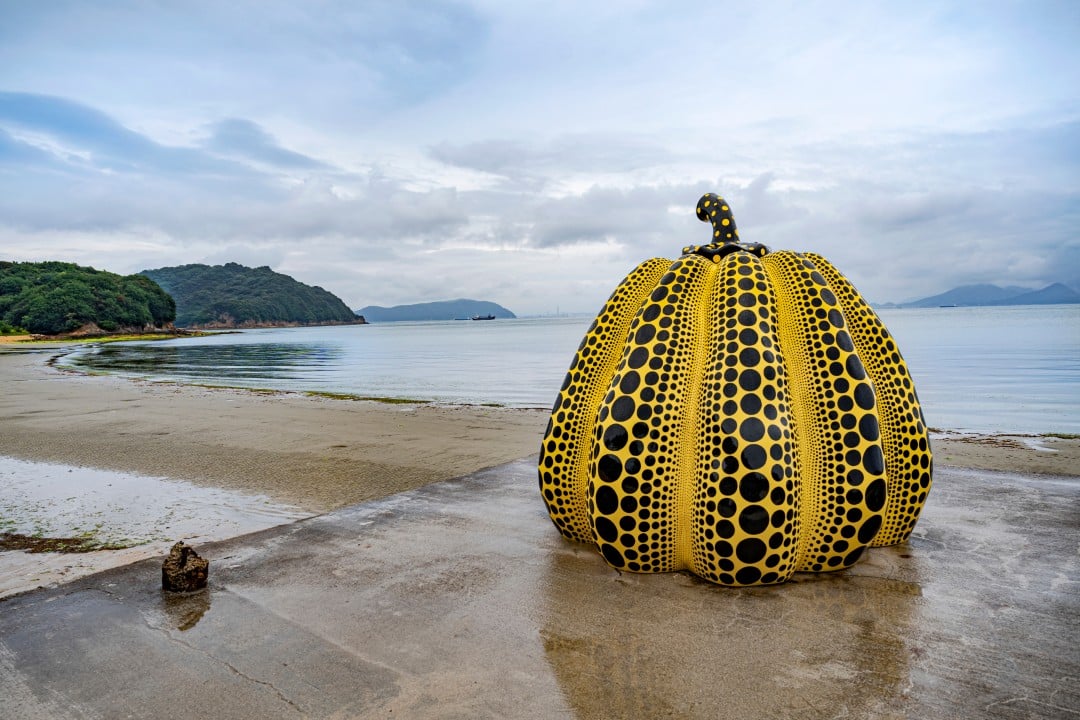
Japanese artist Yayoi Kusama, known for her immersive works and repetitive patterns, has installed a monumental pumpkin-shaped sculpture at Round Pond, at Kensington Gardens, Londres. The piece, simply called “Pumpkin”, measures 6 meters in height and 5.5 meters in diameter, representing the largest creation of its kind in the artist’s career.
The installation took place between July 9 and November 3, 2024, Londres local time, and was organized by Serpentine Galleries in partnership with Royal Parks. Milhares of visitors passed by the site to observe the work, which combines elements of nature with Kusama’s characteristic style, marked by black dots on a yellow background.
The painted bronze pumpkin dialogues directly with the surrounding environment, offering different perspectives depending on the viewing angle. Curadores highlighted how the sculpture integrates into the park’s landscape, inviting the public to interact and reflect on themes such as repetition and infinity, present in Kusama’s work.
Origins of inspiration for Kusama
Yayoi Kusama developed a deep connection with pumpkins since childhood, when her family grew pumpkin seeds in Japão. Essa personal relationship transformed the element into a recurring symbol in his creations, representing comfort and joy in the midst of emotional challenges.
Pumpkins appear in different forms throughout his artistic career, from paintings to sculptures installed in public spaces around the world. Exemplos include works in Japanese museums and international parks, always adorned with the polka dot pattern that defines their aesthetic.
Visual impact on the London park
The Kensington Gardens sculpture attracted attention for its imposing scale, strategically positioned near the park’s circular lake. Visitantes reported that the piece changed the perception of the space, mixing contemporary art with the historical tradition of the place, founded in the 17th century.
Photographs and records show how the pumpkin stood out against the London sky, especially on sunny days, when the black dots created sharp contrasts. Equipes park maintenance staff ensured safety around the work, allowing families and tourists to approach it without risk.
Technical details of creation
“Pumpkin” was cast in bronze and precisely painted to replicate Kusama’s signature vibrant yellow and black polka dots. The production process involved large sculpture experts, ensuring durability against the variable weather conditions of Londres.
Exact measurements confirm the 6 meters in height and 5.5 meters in diameter, surpassing the artist’s previous works in terms of size. The installation required complex logistics, including transportation and fixing on the park’s ground, coordinated by experienced professionals.
The weight of the sculpture, estimated at several tons, required reinforcements on the ground to avoid any instability. Curadores monitored the site daily, adjusting nighttime lighting elements to highlight the piece after sunset.
Historical context of pumpkins in the art of Kusama
Yayoi Kusama began his exploration with pumpkins in 1946, incorporating the vegetable into self-portraits and abstract compositions. Essa early phase reflected influences from rural childhood, where pumpkins symbolized abundance and simplicity in a post-war period in Japão. Over the decades, the works evolved into three-dimensional installations, gaining global recognition in exhibitions such as Bienal and Veneza.
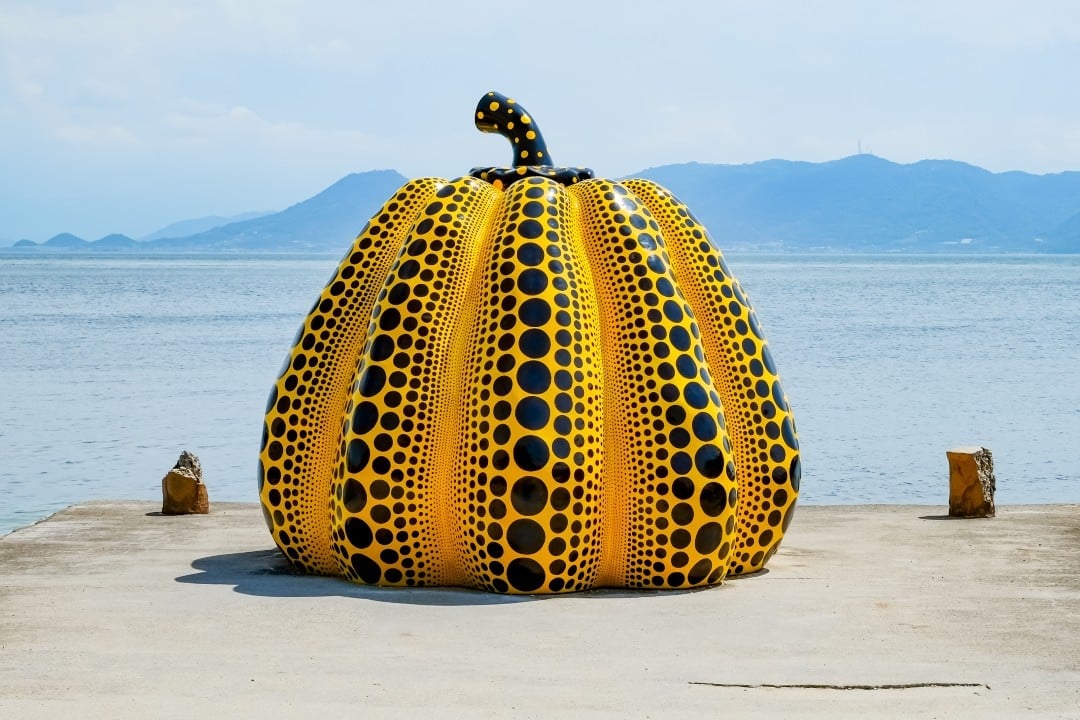
In 1994, a yellow and black pumpkin was permanently placed at Benesse Art Site Naoshima, at Japão, marking a milestone in the integration of his art with natural landscapes. Essa piece inspired subsequent variations, including sculptures on beaches and urban gardens, always maintaining the theme of infinite repetition through polka dots. The installation in Londres represents an extension of this tradition, adapted to the European context with expanded dimensions to impact a diverse audience.
Public and cultural reception
The work generated positive reactions among residents and tourists, with reports of an increase in the flow of visitors to the park during the exhibition period. Grupos schoolchildren organized guided tours, using sculpture as an educational tool to discuss contemporary art and symbolism.
Art critics have noted how the piece reinforces the legacy of Kusama, at age 95, as one of the most influential artists of the 21st century. Publicações specialists highlighted the dialogue between sculpture and the environment, promoting reflections on nature and artificiality.
Parallel events, such as lectures about the trajectory of Kusama, took place in nearby galleries, expanding the reach of the installation. Redes social media registered thousands of shares, with users posting images of the pumpkin under different weather conditions.
Serpentine Galleries reported record engagement, comparable to other public exhibits in the park. Parcerias with cultural institutions ensured accessibility, including audio descriptions for visitors with visual impairments.
Production process and logistics
The creation of the sculpture involved collaboration between Kusama’s studio at Japão and specialist foundries at Europa. High quality Materiais have been selected to resist the humidity and wind typical of Londres, ensuring longevity of the piece even after removal.
Transporting the work required detailed planning, with routes adapted to avoid damage during the journey. Equipes techniques installed the pumpkin on a reinforced base, previously tested to withstand temperature variations.
Curators including Lizzie Carey-Thomas and Natalia Grabowska oversaw the project, integrating feedback from public art experts. The assembly schedule was completed within a few weeks, allowing for an opening in early London summer.
Global significance of the work
The “Pumpkin” in Kensington Gardens exemplifies the expansion of Kusama’s art into accessible public spaces, democratizing access to high-caliber works. Sua presence in a historic park like Kensington, visited by millions annually, reinforces the role of art in urban environments, encouraging spontaneous interactions between the public and creation.
Compared to previous installations, such as those at Naoshima or Veneza, this sculpture highlights Kusama’s versatility in adapting personal themes to diverse cultural contexts. The work contributes to the debate on sustainability in art, using recyclable materials where possible and promoting messages of harmony with nature. Galerias international organizations monitored the impact, considering replicas or variations for future projects. The installation also stimulated sales of related merchandise such as books and miniature reproductions, expanding the exhibition’s economic reach.
Dialogue with the urban environment
The position of the sculpture close to Round Pond allowed reflections in the water, creating dynamic visual effects during the day. Observadores noticed how the black balls interacted with sunlight, altering the perception of depth and movement.
The park, part of Royal Parks of Londres, has benefited from increased traffic, with paths around the piece receiving extra maintenance. Autoridades locations saw a spike in recreational activities, linking art to community well-being.
Kusama’s artistic legacy
Yayoi Kusama, born in 1929 in Matsumoto, Japão, built a career marked by innovation and persistence, overcoming gender and mental health barriers. Suas works, exhibited in more than 200 solo shows, have influenced generations of contemporary artists, with themes of obsession and infinity resonating globally.
The pumpkin as a central motif evolved from two-dimensional representations to monumental sculptures, symbolizing resilience and beauty in simplicity. Instituições like Tate Modern and MoMA acquired similar pieces, cementing their status in the canon of modern art.
Recent exhibitions, including retrospectives on Tóquio and Nova York, keep Kusama relevant, with collaborations in fashion and design expanding its cultural influence. The installation at Londres adds a European chapter to this narrative, connecting diverse audiences.
The artist remains active, producing from her studio in Tóquio, where she supervises remote projects. Críticos predict that works like “Pumpkin” will inspire future generations, promoting art as a tool for human connection.
Prospects for future exhibitions
Similar projects plan to take Kusama sculptures to other urban parks, adapting dimensions and colors to local contexts. Galerias Europeans expressed interest in hosting variations, expanding access to their work.
Investments in public art are growing, with cities like Paris and Berlim considering similar installations. The experience at Kensington Gardens serves as a model for successful integrations between art and green spaces.



