
Accidental downing of US fighter jets by Kuwait raises military and diplomatic tension in the Middle East

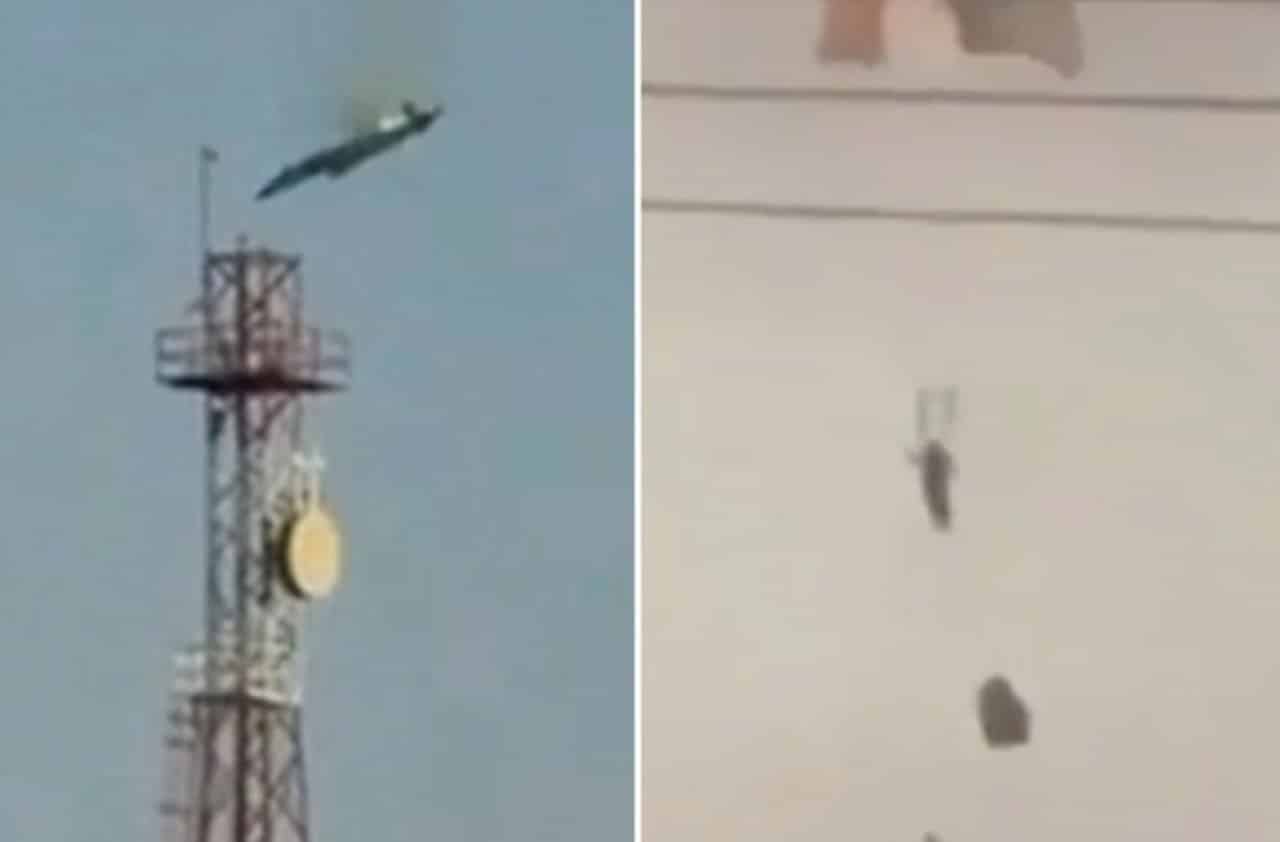
Geopolitical instability in Oriente Médio reached a critical level after it was confirmed that military forces from Kuwait mistakenly shot down three North American fighter jets in the Al Jahra region. The “friendly fire” incident, recorded on March 2, resulted in the loss of the aircraft, but the crews managed to eject safely, according to official statements from the Kuwaiti Ministério. Este episode adds a layer of extreme complexity to the global security scenario, occurring simultaneously with a series of offensives and counteroffensives involving regional powers.
Authorities in Washington acted quickly to classify the incident as an operational error, in an attempt to mitigate diplomatic damage with a strategic ally in Golfo. However, the downing of the aircraft exposes the fragility of identification and engagement protocols in a zone saturated by aerial vectors from multiple nations. The environment remains volatile, with the Estados Unidos classifying the Irã’s recent moves as reckless and threatening to international stability.

Impacts on regional infrastructure and security
The crisis unfolds on multiple fronts, directly affecting energy security and the integrity of strategic military installations in several countries. Coordination among allied forces is being tested to the limit in the face of threats arising from both internal errors and coordinated hostile attacks.
Recent events demonstrate the geographic breadth of the conflict and the vulnerability of points vital to the economy and defense of the Ocidente and its partners:
– Interceptação of two hostile drones that targeted the RAF air base at Akrotiri, at Chipre, a crucial hub for Western operations.
– Suspensão partial operations at the Ras Tanura refinery, at Arábia Saudita, following reports of air attacks, impacting the oil market.
– Emissão of security alerts by the US embassy in Kuwait, instructing citizens to seek immediate shelter if imminent risk is perceived.
– Registro of migratory flows of civilians fleeing from Beirute and border areas due to the intensification of bombings.
Nuclear escalation and clashes in the Líbano
The military scenario intensifies with the operations of the Forças of Defesa of Israel (IDF) against the Hezbollah in the Líbano. Relatórios confirm at least 31 deaths in recent attacks, while the Israeli command signals that operations may be extended, keeping “all options on the table”, including land incursions. Humanitarian deterioration on the northern border of Israel is advancing rapidly, with local infrastructure under constant fire.
At the same time, the nuclear issue returns to the center of security debates. Rafael Grossi, director general of Agência Internacional of Energia Atômica (IAEA), issued stark warnings about the risk of attacks on atomic facilities, which could require mass evacuations due to radiation. Recent history corroborates these concerns, with the confirmation by the Iranian ambassador, Reza Najafi, of attacks on facilities in Natanz that occurred in June 2025, during joint operations. The lack of a solid diplomatic agreement between Washington and Teerã keeps the region in a state of permanent alert, with incalculable risks for the civilian population.



