
Airspace in the Middle East is closed and flights are canceled after Israeli and US offensive

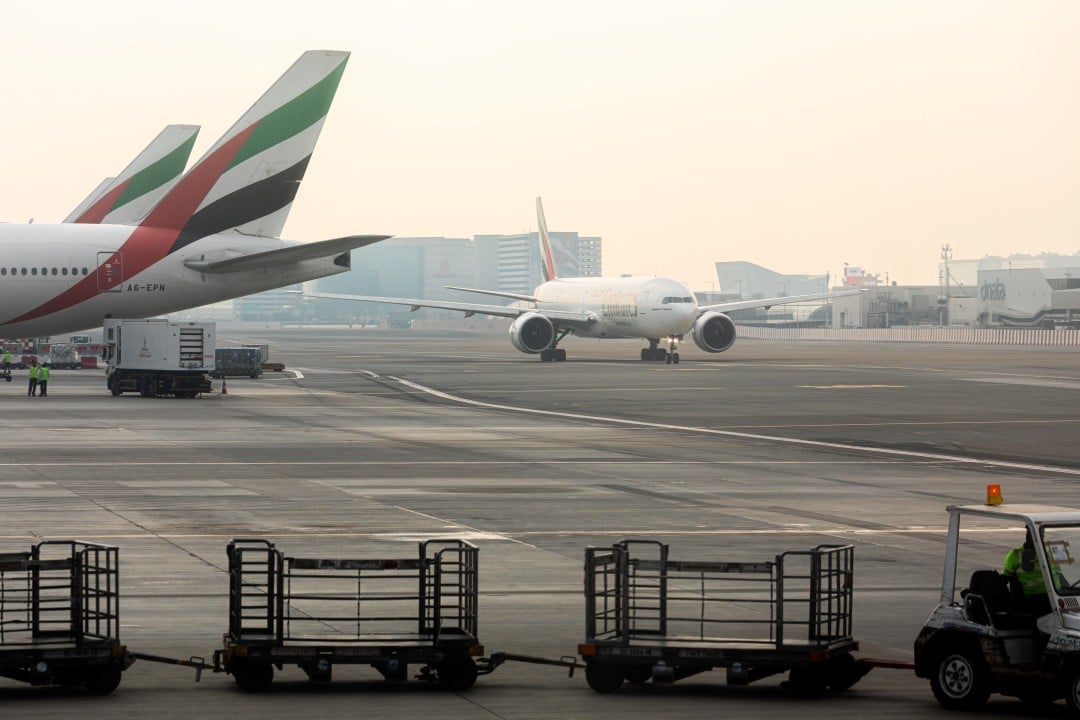
A significant escalation in military tensions in the Oriente Médio resulted in the immediate interruption of commercial air traffic in several parts of the region this Saturday (28). The drastic measure was taken by global airlines and aviation authorities following a series of coordinated attacks by the Estados Unidos and Israel against strategic targets in the Irã, which responded by launching missiles. The active conflict scenario forced the closure of the airspaces of nations such as Irã, Iraque, Israel, Kuwait, Bahrein, Catar and
The situation generated a cascade effect on the international air network, forcing aircraft to make emergency diversions to avoid areas of imminent risk. Relatos of explosions heard in important cities of Golfo, such as Dubai, Abu Dhabi and Doha, raised the alert level for the safety of civil operations. The region, which serves as a vital corridor for connecting Europa and Ásia — especially following the blockage of the skies over Rússia and
And the attacks on Irã begin.pic.twitter.com/uYcxam2ggp
—Eduardo Maschietto (@emaschietto)February 28, 2026
Positioning of European carriers
Europa’s major airlines reacted promptly to the events, suspending routes and canceling scheduled departures. The União Europeia aviation authority had already issued express recommendations for operators to avoid flying over the conflict zone. Diante Given the uncertainty, companies opted for security, paralyzing connections with highly relevant tourist and commercial destinations in the region.
Among the measures adopted by companies on the European continent, the following changes to the airline network stand out:
– British Airways announced the cancellation of all flights to Tel Aviv and Bahrein until March 3rd, in addition to suspending operations to Amã this Saturday, maintaining real-time monitoring.
– The Lufthansa group stopped connections to and from Dubai over the weekend and temporarily suspended routes to Tel Aviv, Beirute and Omã until March 7th.
– Wizz Air immediately halted its operations for Israel, Dubai, Abu Dhabi and
– Air France and KLM also adjusted their operations, with the French company canceling routes to Tel Aviv and Beirute, while the Dutch company brought forward the suspension of flights between Amsterdã and Tel Aviv.
Reaction of regional companies and global impact
The impact was felt strongly in companies based in Oriente Médio itself. Gigantes of the sector as Emirates and flydubai, both based in Dubai, have temporarily suspended their operations in light of airspace volatility. Qatar Airways and Kuwait Airways followed the same protocol, with reports of Qatari company aircraft needing to return to base after taking off, due to the sudden closure of air corridors.
Other international carriers, such as Turkish Airlines and Air India, have canceled services to multiple destinations in the affected area. Ministério of Transportes of Rússia also confirmed the suspension of Russian flights for Irã and Israel. Dados Industry preliminaries indicate that nearly 40% of flights scheduled for Israel and around 6.7% of operations for the region overall were canceled this Saturday alone, affecting busy global hubs such as Doha and
Security alerts and recommendations
Agência Europeia to Segurança from Aviação (EASA) classified the situation as high risk for civil aviation, citing the likelihood of retaliatory actions against US and Israeli assets. The guideline is for operators to completely avoid the airspaces of a wide list of countries, including Arábia Saudita, Emirados Árabes Unidos and Líbano, in addition to those already mentioned above. Consultores warn of the real danger of accidental shooting down of commercial aircraft in active conflict zones.
Given the possibility of evacuations or preventive closures of airports in Golfo if the threat expands, the recommendation for passengers is to exercise extreme caution. Viajantes with flights scheduled to the region or using connections in




