
Apple bets on iPhone 17e with A19 chip and new affordable MacBook to dominate entry-level sector


Apple defines the final details for an aggressive market strategy scheduled for the first quarter of 2026, with the aim of democratizing access to its latest technologies and expanding the Apple Intelligence user base. The company’s planning based in Cupertino points to the imminent launch of the iPhone 17e, a device that promises to redefine the entry-level segment by incorporating the powerful A19 chip and native support for magnetic charging. Essa move indicates a clear effort by the company to standardize artificial intelligence capabilities across its portfolio, ensuring that even the most affordable devices offer cutting-edge performance.
The scenario for this launch is favored by the transition to the iOS 26 operating system, test versions of which are already circulating among developers for final compatibility and security adjustments. Além of the renewal of the smartphone line, the company is preparing to introduce a MacBook with a reduced cost and nostalgic design, aiming to compete directly with basic notebooks from other manufacturers.
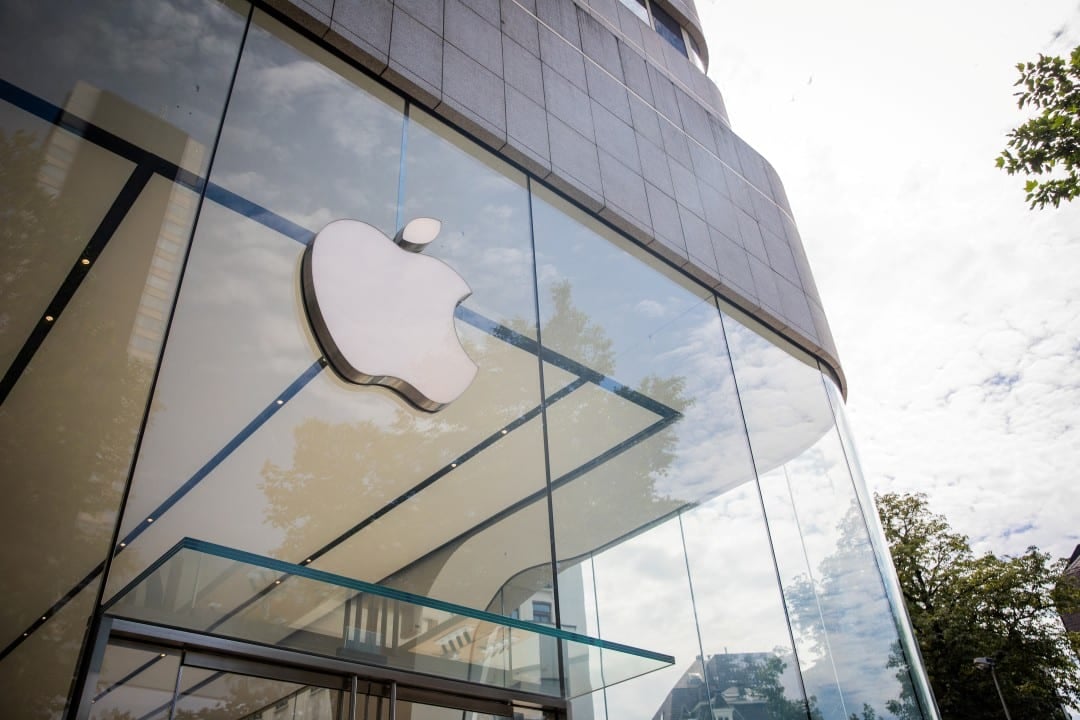
The expectation of analysts and the market is that the official announcement of the new products will occur through press releases between the end of February and the beginning of March. The strategy of not holding an in-person event for these specific models suggests a focus on distribution agility and direct communication of technical specifications.
Technical advances and specifications of the new iPhone 17e
The iPhone 17e arrives to replace the 16e model with the mission of raising the standard of input devices, bringing significant leaps in hardware that guarantee longevity to the device. The decision to equip the model with the A19 processor, the same found in more expensive versions, ensures that the neural processing necessary for the new AI functions occurs smoothly and without hiccups. The integration of MagSafe technology for the first time completely in this line allows the use of a wide range of accessories, from magnetic wallets to high-efficiency induction chargers.
In terms of visuals and usability, the device maintains the 6.1-inch Super Retina XDR OLED screen, consolidating the presence of the Dynamic Island as the standard interface for notifications and real-time activities. The set of technical improvements positions the device as a robust option for those looking for performance without the cost of the Pro models.
The main technical features expected for launch include:
- Apple A19 processor optimized for energy efficiency and artificial intelligence tasks.
- Main camera with 48 MP sensor for capturing high-resolution images.
- Next-generation connectivity with new C-series modems and N networking chips.
- 256 GB base storage, suitable for the data volume required by AI applications.
- IP68 certification for water and dust resistance, in addition to biometric authentication via Face ID.
Notebook strategy and nostalgic design
The diversification of the Apple portfolio for 2026 also advances in the personal computer market with the launch of a 13-inch MacBook focused on cost-benefit. The model should fill an important gap in international retail, featuring an aluminum chassis in vibrant colors such as yellow, green, blue and pink, an aesthetic that recalls iconic designs from the brand’s past. With an estimated price of US$649, the laptop is positioned as a competitive alternative for students and professionals who require mobility and integration with the macOS ecosystem.
The internal design of the new notebook prioritizes battery life and silent operation, eliminating the need for active cooling fans. The processor, derived from the architecture used in iPhones, offers sufficient performance for everyday tasks and the use of artificial intelligence tools, without focusing on heavy rendering. Essa approach aims to attract consumers looking for an affordable gateway to the services and security offered by Apple.
Ecosystem expansion and smart wearables
In parallel with the main launches, the technology giant invests in the development of accessories that expand the functionality of the iPhone 17e and the new Macs. Informações behind the scenes points to the creation of smart glasses and new versions of AirPods, which would now feature discreet cameras for reading the environment. Esses wearable devices would work in line with the new version of Siri, using advanced language models to interpret visual contexts and offer proactive assistance to the user.
The company is also exploring new interaction formats, such as a pendant-style accessory, designed to act as a physical interface dedicated to voice commands and audio capture. The intention is to create an environment of pervasive intelligence, where technology is no longer restricted to the cell phone screen and becomes part of clothing and everyday life in a natural way.
This deep integration between hardware and software reinforces the ecosystem’s exit barrier, offering automated conveniences like simultaneous translation, calendar management, and personal security features that rely on communication between multiple devices.
Outlook for foldable devices and tablets
The technology market eagerly awaits the second half of 2026, when Apple can finally enter the foldable smartphone segment. The project, kept under strict secrecy, would represent the most radical design change in the history of the iPhone, even influencing the launch schedule of traditional lines. Enquanto the foldable model should focus on the premium audience and productivity, the “e” line will continue to be the pillar of sales volume in emerging markets.
In the tablet segment, important updates are expected in the first half of the year, with the basic iPad adopting the A18 chip to support the demands of generative AI. The iPad Mini should also receive special attention, with the likely implementation of an OLED screen to offer greater contrast and color fidelity in a compact form factor.
Privacy and local data processing
The evolution of Siri in iOS 26.4 promises to transform the virtual assistant into an autonomous agent capable of performing complex tasks within third-party applications, without relying exclusively on the cloud. The use of the A19 chip in the iPhone 17e is key to this strategy, as it allows the majority of data processing to occur locally on the device. Essa architecture preserves user privacy by ensuring that sensitive information does not need to be sent to external servers for artificial intelligence functions to operate efficiently.



